Learn practical ways to prepare your child for dental visits and help them overcome any fears they may have.
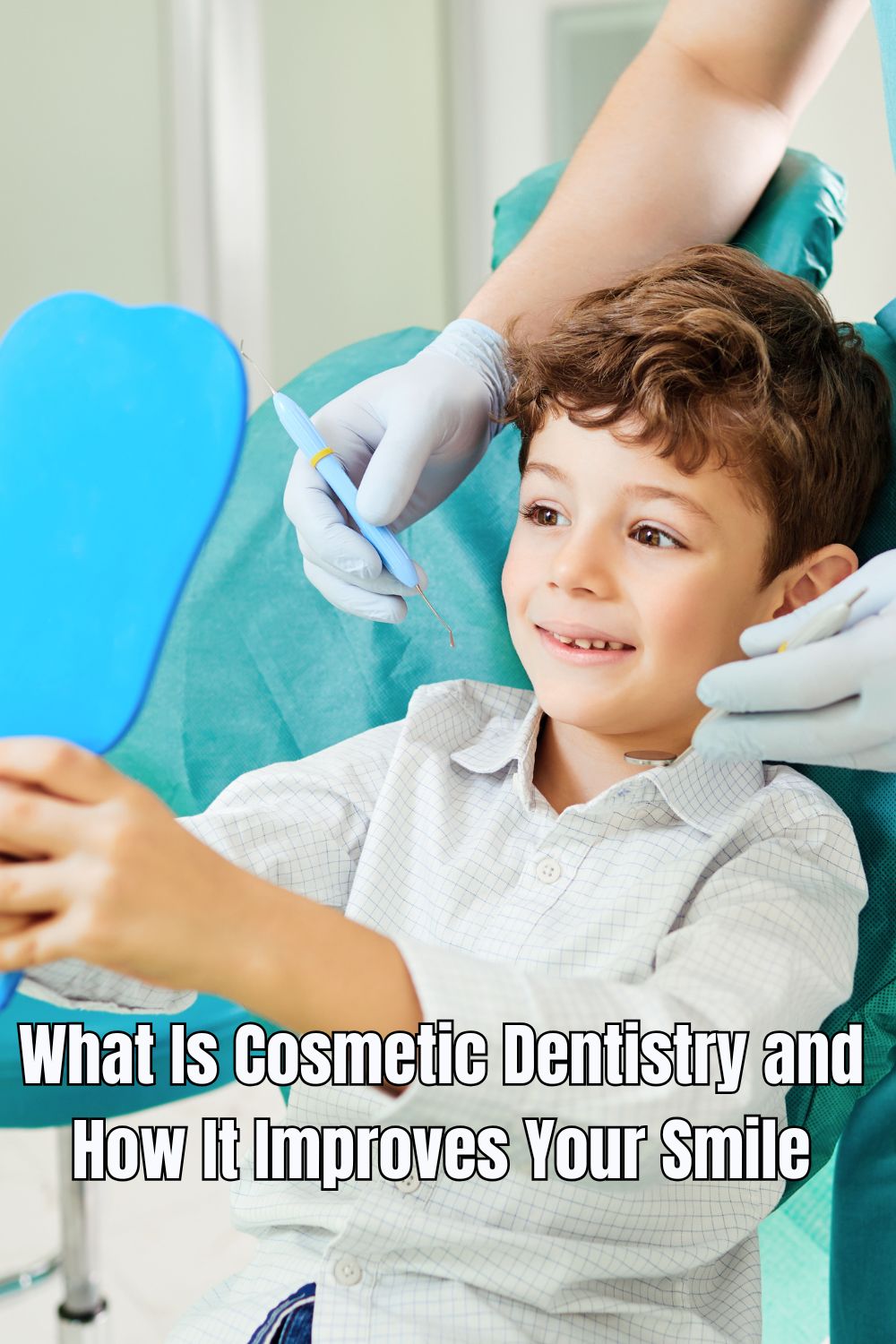
Practical Ways to Prepare Your Child for Dental Visits
According to the American Academy of Pediatric Dentistry, children who experience positive early dental visits are three times more likely to maintain regular dental care throughout their lives — yet nearly 40% of parents report feeling unprepared for their child’s first appointment. As pediatric dentistry continues to evolve with new anxiety-reducing techniques and specialized approaches, the gap between well-prepared families and those navigating blindly has real consequences that extend far beyond childhood.
The stakes are higher than most parents realize. Early dental experiences shape not just immediate comfort levels, but lifelong attitudes toward oral health care. Children who develop dental anxiety in their formative years often carry those fears into adulthood, leading to delayed treatment, more complex procedures, and significantly higher healthcare costs over time. For parents facing their child’s first dental visit — or struggling with an anxious child’s ongoing appointments — understanding how to prepare effectively can transform what might be a traumatic experience into the foundation for a lifetime of healthy habits.
Why Early Dental Preparation Matters
The window between ages one and four represents a critical period when children form lasting associations with healthcare experiences. During this time, their brains are actively developing neural pathways that connect medical environments with either safety or threat. A child who feels overwhelmed, confused, or frightened during early dental visits doesn’t simply “get over it” — those stress responses become embedded patterns that influence their healthcare decisions for decades.
Research from pediatric psychology shows that children who receive proper preparation before medical appointments demonstrate measurably lower cortisol levels during procedures and recover more quickly afterward. This isn’t just about immediate comfort; it’s about building resilience and cooperation that makes future care more effective. When children understand what to expect and feel emotionally supported, dentists can complete more thorough examinations, provide better preventive care, and identify potential issues before they become serious problems.
The timing matters more than most families realize. Dental problems that develop between ages two and six — when primary teeth are most vulnerable to decay — can affect the positioning and health of permanent teeth that won’t emerge for years. Children who are comfortable with dental care receive more consistent preventive treatment, including fluoride applications and early cavity detection that can prevent the need for more invasive procedures later. The difference between a well-prepared child and an anxious one often determines whether minor issues are caught early or develop into complex treatments requiring sedation or multiple visits.
How to Prepare Your Child for Dental Visits
Effective preparation begins weeks before the actual appointment, not the night before. The most successful approach involves gradually introducing the concept of dental care through everyday conversations and activities, rather than treating the visit as a single overwhelming event. Children process new experiences best when they can build understanding layer by layer, connecting unfamiliar concepts to things they already know and trust.
Start by incorporating dental vocabulary into daily routines. During regular tooth brushing, mention that the dentist has special tools that help keep teeth healthy, just like their toothbrush does at home. Read books about dental visits together, but choose ones that show realistic scenarios rather than overly sanitized versions that might create unrealistic expectations. Many children respond well to role-playing games where they “examine” stuffed animals or dolls, using a flashlight as a “special tooth light” and counting teeth just like a dentist would.
The timing of these conversations matters significantly. Begin dental preparation about two weeks before the appointment — long enough for children to process the information without building excessive anticipation, but not so far in advance that they forget. Avoid detailed explanations immediately before bedtime, as this can lead to anxiety-driven sleep disruption that makes children more emotionally fragile on the day of the visit.
How to Talk to Children About Dental Visits
Age-appropriate communication requires understanding how children at different developmental stages process information about medical experiences. Toddlers between 18 months and three years respond best to simple, concrete language focused on familiar sensations. Instead of explaining complex procedures, describe what they’ll see, hear, and feel: “The dentist will shine a bright light to see your teeth better, just like when you look in the mirror with the bathroom light on.”
Preschoolers aged three to five can handle slightly more detailed explanations, but they benefit most from storytelling approaches that cast them as the main character of a positive adventure. Frame the dental visit as a chance to show off their growing-up teeth or to meet someone whose job is helping teeth stay strong and healthy. Avoid using words that might trigger fear responses — instead of “shot” or “drill,” use “special tooth medicine” or “tooth cleaner.”
School-aged children respond well to educational approaches that satisfy their curiosity about how things work. Explain that dentists are like mechanics for teeth, using special tools to keep everything running smoothly. Children this age often appreciate knowing the “why” behind procedures — understanding that X-rays help dentists see inside teeth the way doctors use stethoscopes to listen to hearts can make the experience feel more logical and less mysterious.
How to Manage Common Dental Fears in Children
Children’s dental anxiety typically stems from three primary sources: fear of the unknown, concern about pain, and feeling powerless in an unfamiliar environment. Understanding which fears are driving your child’s anxiety allows you to address the root cause rather than just managing surface-level symptoms. Many parents focus exclusively on reassuring children that “it won’t hurt,” but this approach can inadvertently plant the idea that pain was a possibility they hadn’t considered.
The fear of unfamiliar sensations often proves more distressing than actual discomfort. Children may worry about the taste of fluoride, the feeling of suction tools, or the sound of dental equipment. Address these concerns by providing accurate sensory information in advance. Explain that the tooth cleaner makes a buzzing sound like an electric toothbrush, or that the fluoride tastes like fruit but shouldn’t be swallowed like regular food.
Control and predictability serve as powerful antidotes to dental anxiety. Children feel more secure when they understand their role in the appointment and know they have some agency in the experience. Explain that they can raise their hand if they need a break, that the dentist will tell them what’s happening before doing it, and that they can ask questions if they’re curious about any of the tools or procedures.
For families dealing with children who have special healthcare needs or heightened anxiety, working with an experienced special needs dentist can provide specialized approaches that accommodate individual sensitivities and communication styles, ensuring that every child receives care tailored to their unique needs and comfort level.
Comfort and Coping Strategies During Visits
Bringing familiar comfort items creates an emotional anchor that helps children feel secure in the unfamiliar dental environment. A favorite small toy, blanket, or stuffed animal can provide sensory grounding during stressful moments. However, choose items strategically — avoid toys with small parts that might interfere with dental work, and opt for things that can be easily cleaned if they come into contact with dental equipment.
Breathing techniques adapted for children can provide immediate anxiety relief during procedures. Teach “bubble breathing” — slow inhalation through the nose followed by gentle exhalation through pursed lips, as if blowing bubbles. Practice this technique at home during calm moments so children can access it automatically when stress levels rise. Many pediatric dental offices use guided imagery or counting games during procedures, and children who already know these coping strategies feel more confident participating.
Positive reinforcement works most effectively when it’s immediate and specific. Instead of generic praise like “you were brave,” acknowledge specific actions: “You did a great job keeping your mouth open when the dentist was checking your back teeth.” This helps children understand exactly which behaviors were helpful and increases the likelihood they’ll repeat them during future visits.
Choosing the Right Dentist and What to Expect at Visits
The distinction between pediatric dentists and general practitioners who treat children extends far beyond age requirements — it encompasses fundamentally different approaches to child development, anxiety management, and treatment planning. Pediatric dentists complete additional years of specialized training focused specifically on children’s emotional and developmental needs, learning techniques for communication, behavior guidance, and creating positive associations with dental care.
Pediatric dental offices are designed with children’s sensory experiences in mind. Lighting is typically softer and less clinical, equipment is often colorful or decorated to appear less intimidating, and the overall environment prioritizes emotional comfort alongside medical functionality. Many pediatric practices use specialized chairs that allow parents to remain close during treatments, recognizing that parental presence often provides more effective anxiety relief than sedation for many children.
A typical first visit focuses primarily on examination and familiarization rather than treatment. The dentist will likely count teeth, check for proper development, and assess oral hygiene while explaining each step to both parent and child. This appointment serves as an opportunity for children to experience dental tools and procedures in a low-pressure environment, building positive associations that make future visits more comfortable.
During routine cleanings and checkups, children can expect tooth polishing with flavored paste, fluoride application for cavity prevention, and possibly dental X-rays depending on their age and risk factors. Understanding that these procedures are preventive rather than corrective helps children view dental visits as positive maintenance rather than problem-solving, reducing anxiety about what the dentist might “find wrong.”
How Early Dental Visits Build Lifelong Oral Habits
The habits children develop around oral healthcare between ages two and eight become deeply ingrained patterns that influence their dental health throughout adulthood. Children who experience dental care as routine, positive, and manageable are more likely to seek preventive treatment as adults, leading to better oral health outcomes and lower lifetime healthcare costs. This early foundation proves especially crucial as children transition into adolescence, when peer influences and changing routines can disrupt established health behaviors.
Regular dental visits reinforce the connection between daily oral hygiene and professional care, helping children understand that brushing and flossing at home work together with dental cleanings and checkups. This integrated approach to oral health becomes particularly important as children develop more complex dietary habits and face increased cavity risks from school snacks, sports drinks, and social eating situations.
The educational component of pediatric dental visits extends beyond technique instruction to include understanding the “why” behind oral health recommendations. Children who learn about bacteria, plaque formation, and cavity development develop intrinsic motivation for good oral hygiene rather than simply following rules. This knowledge-based approach to dental health creates more resilient habits that persist even when external supervision decreases during teenage years.
Early positive dental experiences also influence children’s attitudes toward other healthcare providers, creating patterns of trust and cooperation that extend beyond oral health. Children who learn to advocate for themselves in dental settings — asking questions, expressing concerns, and participating actively in their care — develop communication skills that serve them well throughout their healthcare journey.
The foundation you build today through thoughtful preparation and positive early experiences shapes not just your child’s next dental visit, but their relationship with oral health for decades to come. As your child grows and their dental needs evolve, the confidence and comfort they develop now will make every future appointment easier — for both of you.
Leave A Reply!