Learn how to keep kids safe and comfortable during nature trips, ensuring their outdoor experiences are enjoyable and memorable.
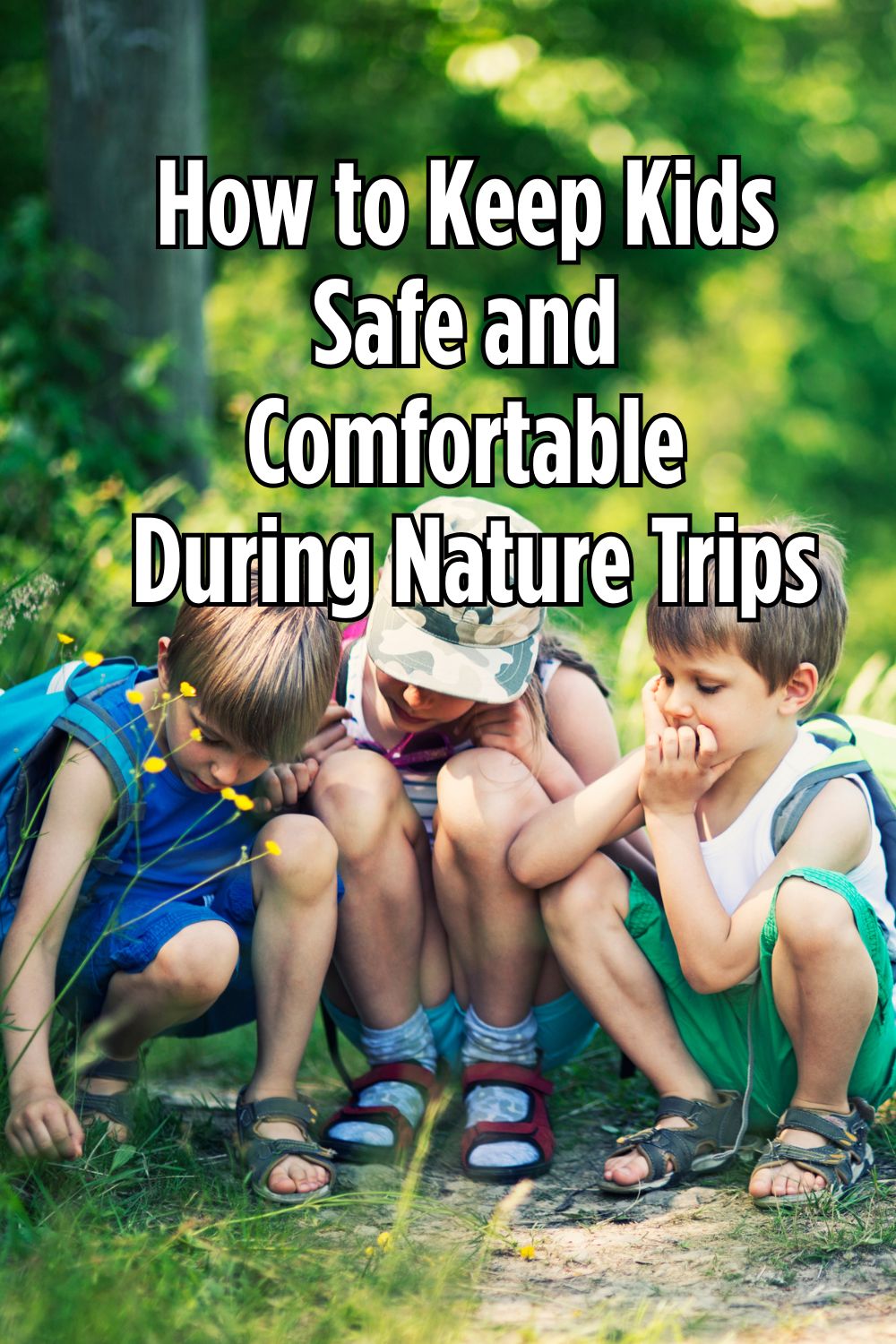
How to Keep Kids Safe and Comfortable During Nature Trips
“We must teach our children to smell the earth, to taste the rain, to touch the wind, to see things grow, to hear the sun rise and night fall – to care.” – John Cleal
There’s something about getting kids outside that no screen or classroom can replicate. Fresh air has a way of opening their minds. Mud becomes art. A stick becomes a sword. A quiet forest trail suddenly feels like a whole new world. But nature isn’t always gentle. The weather turns. Bugs bite. And sometimes, curiosity can take a child right off the safe path.
Did you know that outdoor play improves a child’s problem-solving skills and emotional resilience? That’s powerful. But only if the environment is safe and welcoming enough for them to explore it fully.
In this article, you’ll find real-world tips to help you protect your kids while making sure they stay happy, warm, and confident out there.
Pack the Right Clothing and Gear
Kids don’t need everything under the sun, but they do need the right things. Focus on layers, especially clothing that can handle sudden temperature shifts. Mornings in the woods can be cold, but afternoons might heat up fast. Lightweight rain jackets, moisture-wicking shirts, and quick-dry pants are your friends.
For shoes, pick ones that are already broken in and made for trails. Blisters ruin the day faster than almost anything else. And always pack extra socks. Dry feet make all the difference.
Keep Essentials Within Reach
Whether you’re on a short day hike or an overnight trip, having a few must-haves handy can make a huge difference.
Here’s a solid list to keep in your backpack:
- First aid kit (with kid-friendly supplies)
- Snacks high in energy
- Reusable water bottles or hydration packs
- Sunscreen and bug spray
- Extra clothing layers
- Whistles
- A map or GPS (don’t rely solely on phone signal)
Also, do not underestimate the value of a good flashlight or a pair of reliable headlamps. When kids are moving around in low light, whether it’s a nighttime walk, late camp setup, or even a bathroom run, hands-free lighting gives them more control and comfort. Some reliable online sources offer a wide variety of headlights, including models for running, hiking, backpacking, and longer expedition-style trips. You can choose one based on your needs and the nature of your trip. Look for options with the right brightness levels, beam distance, and features such as rechargeable batteries or dual-fuel support. Having the right kind makes those after-dark moments much easier and safer.
Teach Safety in Simple Terms
Before you even hit the trail, talk to your kids about what to do if they get separated from the group. This doesn’t need to be a big, serious lecture. A simple chat about staying in one place, using a whistle, or recognizing trail markers can be enough.
For younger kids, consider sticking a note in their pocket with your name and contact information. Make sure they know not to touch or eat anything unless you give them the okay. This goes for berries, mushrooms, and random “cool-looking” bugs.
Stay Alert Around Water
Being near water streams, rivers, and lakes adds excitement and beauty to a trip, but it also calls for extra awareness. Wet rocks are often slippery, currents can be stronger than they look, and cold water can cause shock even on warm days.
If you’re near any kind of water, go over the rules ahead of time. No jumping in without permission, no getting too close to fast-moving water, and always stay within sight. Wearing water shoes or sandals with a good grip helps, especially in rocky areas.
Even when not playing in water, dehydration can occur quickly. Make water breaks part of the routine, not just a reaction to complaints.
Encourage Smart Risk-Taking
Kids need space to test their limits. Climbing a fallen log, balancing on a rock, or stepping into a cold stream might seem minor to you, but to them, it’s big. These moments build confidence and teach them how to judge their own limits.
Instead of saying “be careful” every few minutes, try saying “use your hands” or “take your time.” Guide their risks rather than shutting them down. This kind of trust helps them grow more capable and confident with each trip.
Prepare for Changing Weather
Always check the forecast, but also be prepared for unexpected surprises. Weather can change rapidly, especially in mountainous or forested areas. Do not get caught off guard by an afternoon storm. Make sure rain gear is easy to grab. A poncho, light rain jacket, or waterproof cover for the backpack can keep things dry without adding too much weight.
Pack an extra warm layer, even if it seems unnecessary at first. Temperatures can drop fast once the sun dips behind the trees. If thunder or lightning rolls in, move away from open areas, tall trees, and water, and find shelter as calmly and quickly as possible.
Wrapping It Up
Outdoor adventures with kids don’t have to be flawless. They just need to be thoughtful. You’re creating memories, teaching resilience, and showing them the value of slowing down. When you prepare with care and pay attention to the little moments, those memories become the ones they will cherish for a lifetime.
Leave A Reply!