Explore how to get more home for your money without sacrificing comfort. Smart choices make a difference in your living space.
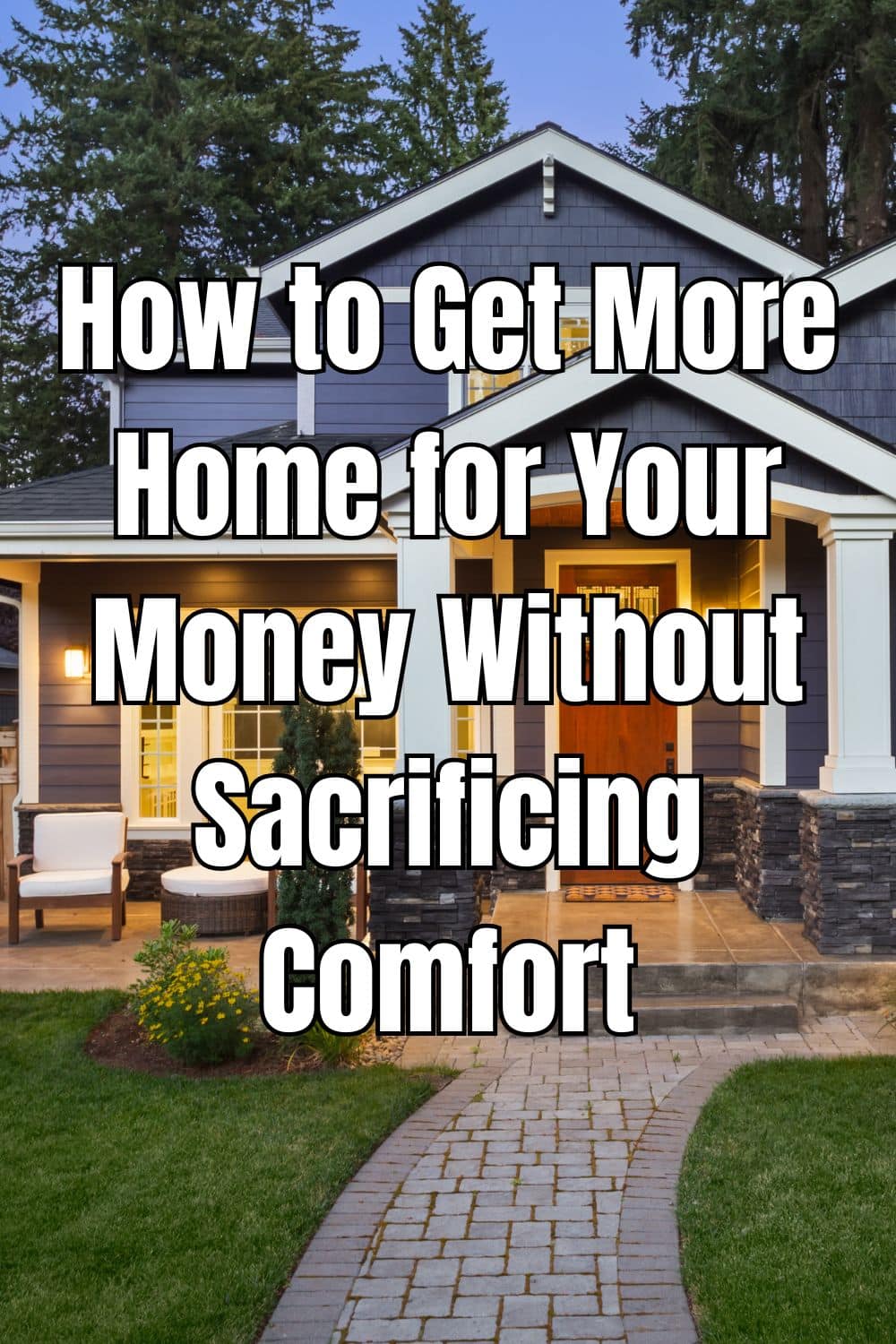
How to Get More Home for Your Money Without Sacrificing Comfort
Buying or building a home has always come with tradeoffs. Everyone wants enough space to actually live in. Everyone also wants a budget that doesn’t leave them sweating every time the mortgage hits. Comfort, sure, but not waste. Practical, but still feels like a real home, not a shoebox with a roof.
Lately, that balance is harder to find than ever.
Amid rising material costs, higher interest rates, sky-high land prices, and the general squeeze on everyday expenses, a lot of people are rethinking what “more home” actually means. It isn’t always about the biggest square footage or the fanciest finishes. It’s about using money wisely so the home supports your life instead of becoming the thing draining all the joy out of it.
The encouraging part? Comfort doesn’t have to disappear when smart decisions get made. Some of the most satisfying home choices are the ones that quietly give you more breathing room, both physically and financially.
Start With How Life Actually Looks
Before getting deep into floor plans, finishes, or square footage, take a real, honest look at daily life. A home should fit actual routines, not just a dream Pinterest board.
How often do you cook, and is the kitchen also a hangout? Is anyone working from home? Are quiet corners for reading, calls, or focused work part of the deal? What about kids, aging parents, frequent guests, hobbies that need space, or actual storage for actual stuff?
These questions matter because wasted space is one of the easiest ways to overspend. A massive formal dining room looks gorgeous in photos, but if it gets used only twice a year, those square feet could’ve been put to better use. A smaller home with a smart layout almost always feels better than a bigger home with awkward rooms and dead zones.
Real comfort comes from a home being useful, from having space where it’s actually needed and simplicity where it isn’t.
Think Beyond the Traditional Path
The standard homebuying or homebuilding route isn’t always the most affordable or practical. That doesn’t mean comfort has to take a hit. It just means staying open to other possibilities.
Some people are looking at modular homes. Others are building smaller custom homes with lots of personality. Some are renovating older houses with great bones. Some are blending living space with workspace, storage, or hobby areas in ways that previous generations wouldn’t have considered.
That’s part of why barndominiums in Indiana have become so popular. In a state full of rural communities, working farms, open land, and homeowners who often need space for equipment, hobbies, or side projects, this kind of flexible home layout just makes sense. It can deliver real warmth and comfort on the living side while leaving plenty of room for the more hands-on, functional parts of life.
The point isn’t that one option is right for everyone. The point is that “home” can take more forms than most people realize. Opening up to those possibilities sometimes leads to a much better match for the budget, the lifestyle, and the land.
Flexible Spaces Beat Extra Rooms
One of the best ways to get more out of a home is to build or buy spaces that can shift over time. A guest room can also be an office. A loft can flex between a playroom, a media space, and a study area. A finished garage or workshop can hold tools, hobbies, or even a small side business. Open areas can be rearranged as life evolves. That flexibility keeps a home from feeling dated five years in. It also takes the pressure off paying for rooms that only do one specific thing.
Instead of asking how many rooms can fit in the budget, ask how many different ways each space can earn its keep. That mindset shift leads to better decisions and a home that feels bigger than it actually is.
Layout Beats Luxury Every Time
It’s so easy to get distracted by finishes. Countertops, hardware, paint colors, and light fixtures. These things matter, but they can’t carry the whole decision. A beautiful kitchen can’t fix a bad layout. Expensive flooring won’t make a cramped living room feel relaxed. Trendy lighting won’t make up for a lack of storage.
The bones of the home matter most.
Good flow makes everyday life easier. Bedrooms away from noisy areas mean better sleep. A laundry room near the main living spaces saves time and frustration. A mudroom by the entry catches the daily mess before it spreads through the house. Smart storage in the right places quietly reduces stress. These details aren’t flashy. They don’t photograph as well as a quartz waterfall island. But they shape comfort every single day. Luxury is great when it fits the budget. But layout is what gets lived in.
Spend Where It Actually Matters
Getting more home for the money doesn’t mean cheaping out on everything. That just leads to repairs, frustration, and replacement costs down the road. The real move is spending with intention. Put more budget toward the stuff that affects comfort, durability, and long-term savings. Insulation. Windows. Heating and cooling systems. Roofing. Plumbing. Electrical. None of it is exciting, but all of it matters. A well-insulated home feels better in both winter and summer. Good windows help with temperature, light, and even noise. Efficient mechanical systems lower the bills every single month. Durable materials cut down on the maintenance grind. These choices don’t impress guests during a housewarming, but they make daily life better year after year. That’s where real comfort actually lives.
Be Smart About Square Footage
More square footage sounds appealing until you have to heat it, cool it, furnish it, clean it, and maintain it. Bigger isn’t always better. A thoughtful floor plan can make a modest home feel generous. Higher ceilings. Good natural light. Open sightlines. Smart storage everywhere it’s needed. Built-ins, multi-use furniture, and well-placed closets all work to make daily life smoother. Outdoor space is part of this, too. A covered porch, a patio, a usable backyard, even a screened sunroom, all of these extend how a home feels without adding indoor square footage. A home doesn’t need to be enormous to feel open. It just needs to be designed with real care.
Don’t Pay for Someone Else’s Choices
When buying an existing home, it’s easy to get drawn in by upgrades that look impressive but don’t actually matter for your life. A previous owner may have dropped serious money on features that bump up the price without improving daily living. Maybe the bathroom is a showpiece, but the kitchen feels cramped. Maybe the basement is finished beautifully, but the roof is on its last legs. Maybe the finishes are trendy now, but the storage is laughable.
The same trap exists when building. It’s tempting to chase what looks popular online. But trends can quietly push the budget up without delivering real value. The better question is simple. Will this choice still matter five years from now? If yes, it’s probably worth the spend. If not, it’s a good place to save.
Monthly Comfort Is Part of Real Comfort
A home can look affordable on paper and still feel stressful month after month. Mortgage or build costs are only one slice of the picture. Property taxes, insurance, utilities, maintenance, repairs, and furnishings all stack up. True comfort includes financial comfort. It’s hard to enjoy a beautiful home when every bill feels heavy. It’s hard to relax in extra space when the costs of keeping it running feel suffocating. Leaving room in the budget creates breathing space. That breathing space is what makes it possible to handle repairs, slowly decorate, host friends, take a trip, or just live without that constant background pressure. Sometimes the best home decision is not the maximum the bank will approve. It’s the amount that still leaves room to actually live.
Comfort Lives in the Small Choices
Comfort doesn’t have to be expensive. A lot of it comes from quiet, thoughtful details.
Morning light hits the kitchen table. A reading chair tucked near a window. Durable floors that don’t panic when muddy boots come in. Enough storage that every flat surface doesn’t turn into a junk magnet. A bedroom that genuinely feels peaceful at the end of a long day.
These are the things that shape how a home actually feels. They’re also the things that get overlooked when buyers focus only on price per square foot. A cheap home isn’t a great value if it feels frustrating to live in. A slightly smaller home might be a far better choice if it supports the routines and gives a real sense of calm.
Plan for the Life Up Ahead
A great home should meet current needs, but it should also leave some room for what’s coming. That doesn’t mean predicting every detail of the future. It means choosing a home that can adapt.
Think about aging, family changes, work shifts, hobbies, accessibility, and even resale potential. A main-floor bedroom, wider doorways, unfinished space that can be developed later, or extra storage tucked into smart spots can all give long-term flexibility.
Nobody builds a perfect home. Perfect homes don’t really exist. The goal is to make thoughtful choices now so the future doesn’t feel boxed in.
A home that can grow with the people in it almost always delivers more value than one that only fits one season of life.
What “More Home” Really Means
Getting more home for the money isn’t just about stretching the budget. It’s about making that money work harder for a life worth living.
More home might mean more usable space. Lower monthly costs. Fewer repairs. Better storage. More natural light. A layout that makes mornings less chaotic. Durable basics instead of flashy upgrades. Letting go of features that sound impressive but don’t actually help.
Comfort doesn’t have to be sacrificed in the name of practicality. When the choices are clear and honest, practicality is what creates comfort in the first place.
The best home is rarely the biggest one. It’s the one that fits the routines, protects the wallet, and creates that little feeling of relief when the front door opens at the end of the day.
That’s what makes a home feel generous. Not the square footage. The way it lets you actually live.
Leave A Reply!