Learn how seasonal variations can reduce roof longevity. Find tips to maintain your roof in all weather conditions effectively.
How Seasonal Weather Affects Roof Longevity
Key Takeaways
- Each season presents unique challenges to roofing materials, affecting their durability.
- Regular inspections and maintenance can mitigate seasonal damage.
- Proper ventilation and insulation are crucial for year-round roof health.
Table of Contents
- Spring: The Season of Renewal and Hidden Damage
- Summer: Heat and UV Radiation Challenges
- Fall: Debris Accumulation and Drainage Issues
- Winter: Snow, Ice, and Freeze-Thaw Cycles
- Year-Round Maintenance Tips
- Conclusion
Roofs are your home’s primary line of defense against the elements, but many homeowners underestimate how much the changing seasons can impact their roof’s health. Everything from extreme temperatures to rain, snow, and falling debris can affect a roof’s durability, so knowing what to expect throughout the year can help you prepare and protect your investment for the long term. If you are looking for expert insights or need help maintaining your roof, an Amish roofing company can offer specialized knowledge for quality construction and repairs.
Seasonal weather challenges vary by region and affect roofing materials differently. Homeowners who recognize potential seasonal threats can proactively address minor issues before they become costly problems, helping ensure their roofs last as long as possible. Understanding the specific stressors of each season will guide your routine inspections and maintenance tasks year-round.
Spring: The Season of Renewal and Hidden Damage
When winter ends, your roof enters a period of transition. Warmer temperatures, rain showers, and occasional late-season snowfalls may reveal problems that started during the cold months. Spring’s rains will quickly expose any hidden leaks or weaknesses caused by snow and ice buildup. Even small cracks that started with winter’s freeze-thaw cycles can worsen as water seeps in and continues to expand with each cold night and warm day.
This is an ideal time to perform a detailed inspection or schedule a professional assessment, especially if you notice water stains on ceilings or unexplained drips. Catching issues early during spring renewal can stave off more extensive and expensive repairs later.
Summer: Heat and UV Radiation Challenges
Summer is notorious for long, hot days and relentless ultraviolet radiation. Prolonged heat can cause roofing materials, especially asphalt shingles, to expand and soften, leading to loss of shape and compromised waterproofing. UV exposure dries out roofing materials’ oils, which can cause cracking and premature aging over time.
If your attic lacks adequate ventilation, trapped heat may exacerbate these issues. Excessive attic heat can also drive up cooling costs and damage your roof’s structural supports. Consider consulting with professionals about adding attic vents or using reflective roofing materials to keep heat in check and protect your roof’s overall structure. For additional tips, refer to the residential roof maintenance checklist for every season.
Fall: Debris Accumulation and Drainage Issues
Autumn brings falling leaves, acorns, and other debris that can collect on your roof and in your gutters. Blocked gutters prevent proper drainage, causing water to pool at points on the roof or back up under shingles. This trapped moisture can lead to leaks, wood rot, and mold growth.
During fall, it is critical to clean out gutters regularly and remove any debris from the roof surface. Trim back overhanging branches to limit the amount of organic material that falls onto your roof. These preventive measures are particularly important if your house is surrounded by trees.
Winter: Snow, Ice, and Freeze-Thaw Cycles
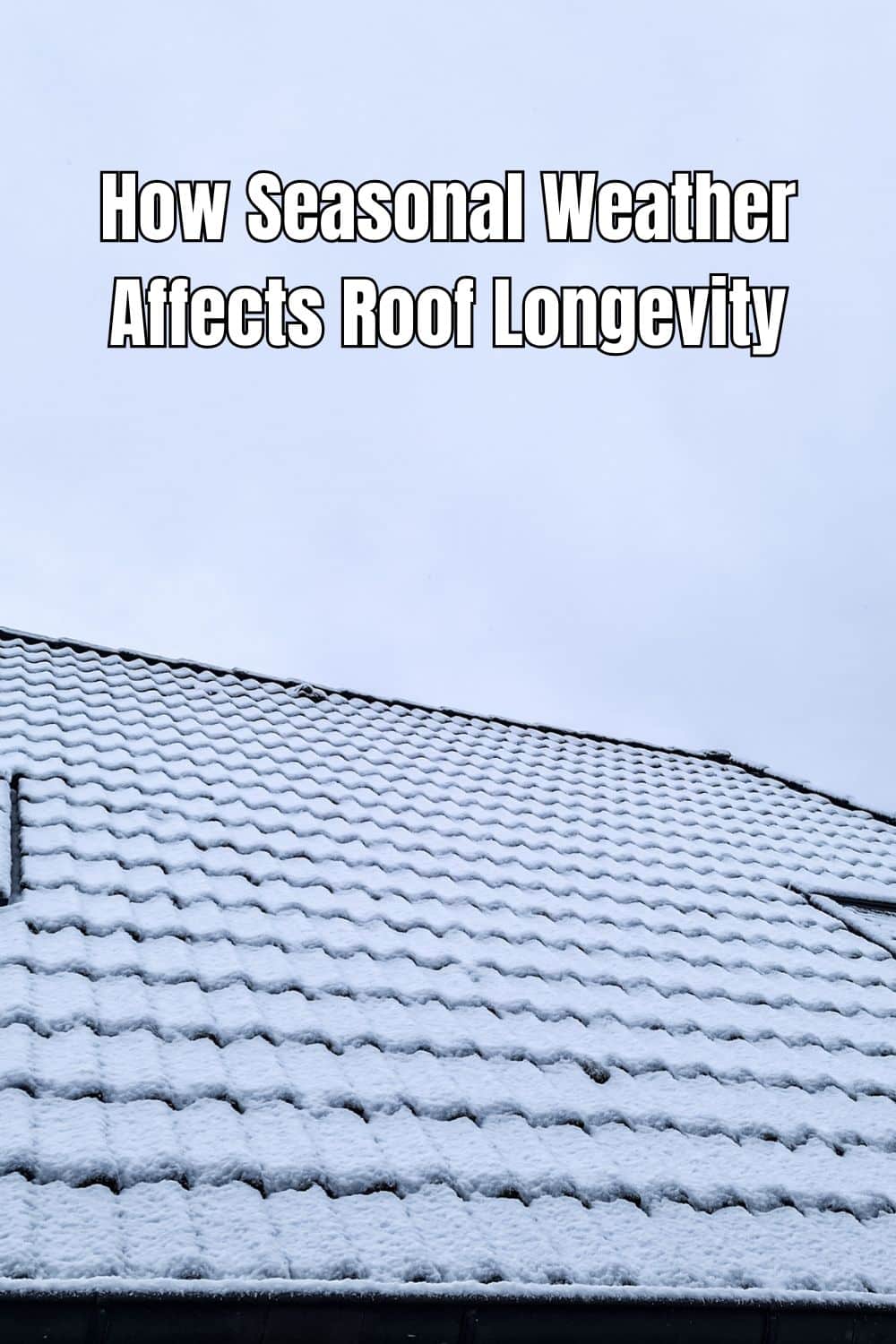
Winter inflicts some of the harshest conditions on any roof. Heavy snow accumulation can add significant weight, straining your roof’s structure, especially if it is older or not built to withstand heavy loads. Snow and ice dams often form at the eaves, preventing meltwater from draining off the roof. This backed-up water can seep under shingles, leading to internal leaks and potential water damage.
Fluctuating temperatures bring freeze-thaw cycles. Water that seeps into even the smallest cracks in roofing materials will freeze and expand, worsening those cracks. The cycle can repeat all winter, leading to extensive surface damage by spring. Proper attic insulation and roof ventilation are crucial to minimize ice dam formation by balancing the temperature inside and outside your roof.
Year-Round Maintenance Tips
- Regular Inspections: Inspect your roof twice a year (in spring and fall) to identify problems early.
- Gutter Maintenance: Clean gutters and downspouts routinely to keep water moving away from your roof.
- Trim Overhanging Branches: Keep tree limbs cut back to reduce debris and avert potential damage from fallen branches.
- Ensure Proper Ventilation: Ensure your attic is well-ventilated to promote airflow and maintain stable temperatures under the roof deck.
- Address Repairs Promptly: Small leaks, warped shingles, or loose flashing should never be ignored, as they can rapidly develop into major repairs.
Conclusion
Every season brings distinct risks to your roof, but with knowledge and proactive maintenance, you can protect your home for years to come. Routine inspections, timely repairs, and attention to ventilation and drainage will greatly improve your roof’s lifespan, regardless of the climate in your region. Proper care is a wise investment that preserves your home’s value and safety year-round.
Leave A Reply!