Discover the impact of home accessibility on senior mental health and how it fosters a sense of belonging and identity.
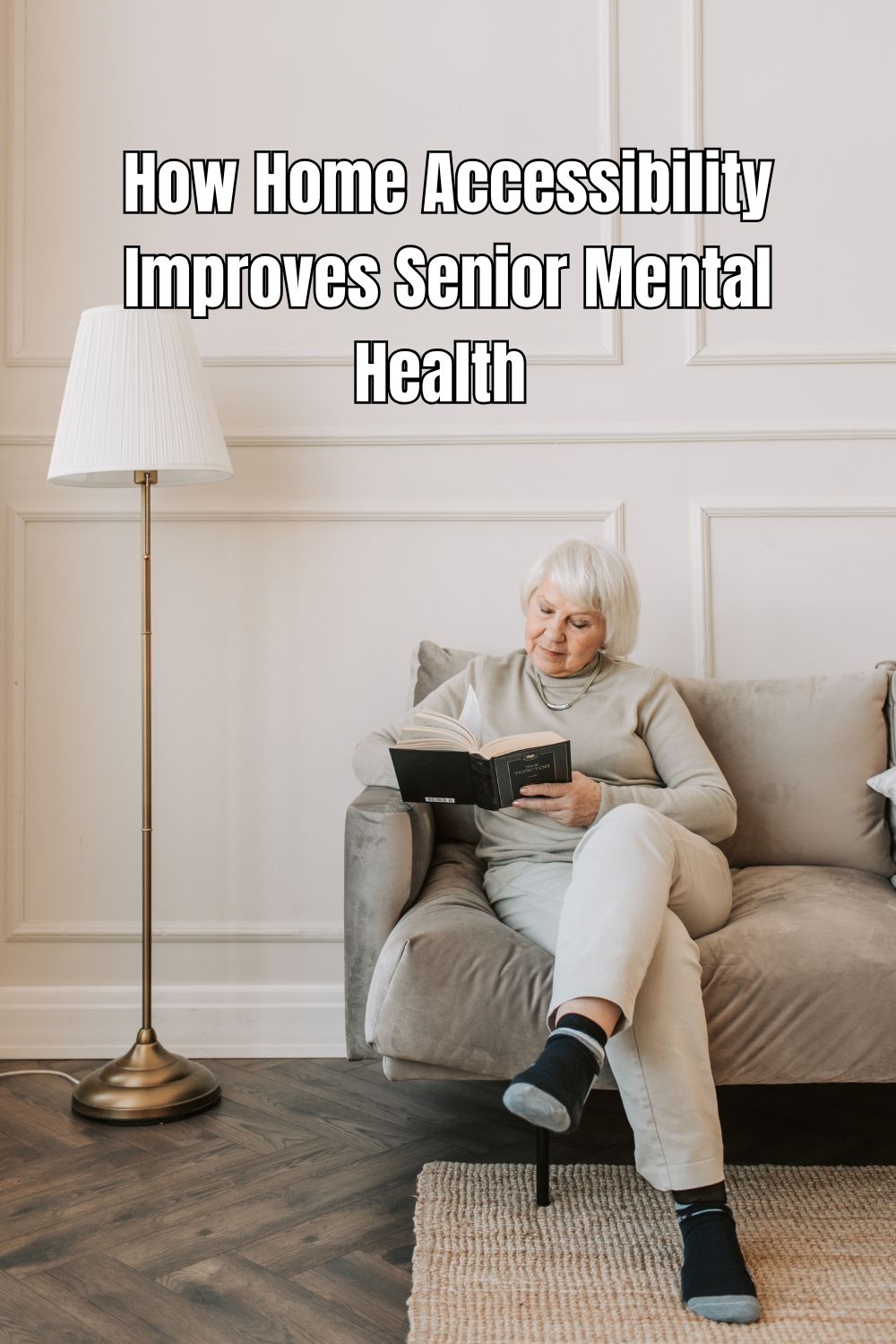
How Home Accessibility Improves Senior Mental Health
Most people prefer to stay in their own homes as they age. This desire to remain in a familiar space is often linked to a sense of identity and comfort. When a house fits the needs of its owner, it becomes a sanctuary rather than a source of stress. Making small or large changes to a living space can have a major impact on how a person feels every day.
The Link Between Home and Mind
A home is more than just four walls and a roof. For many seniors, it represents a lifetime of memories and a sense of belonging. Staying in this environment helps maintain a stable mental state. Research shows that keeping a sense of control over one’s surroundings can lower the risk of cognitive decline.
When a home is easy to navigate, the person living there feels more capable. They do not have to worry about simple tasks becoming impossible chores. This lack of worry leads to lower levels of cortisol, which is the body’s primary stress hormone. A relaxed mind is a healthier mind, especially during the later years of life.
Safety and Emotional Security
Fear of falling is a common concern for older adults. This fear can lead to a cycle of inactivity and social withdrawal. If someone is afraid to move around their house, they might stop doing the things they love. Addressing safety concerns removes this mental burden.
Simple additions like grab bars or better lighting can change a person’s outlook. They feel secure enough to move freely without constant anxiety. A study published in a medical journal found that digital health tools and home safety monitoring significantly reduced depressive symptoms and anxiety in older participants. This proves that feeling safe at home translates directly to better emotional health.
Maintaining Your Independence
Independence is a key factor in self-esteem. Being able to cook, clean, and bathe without help provides a sense of pride. When these tasks become difficult, many seniors feel like they are losing their identity. Modifications like walk-in tubs or widened doorways help preserve this autonomy.
Technological updates can also play a huge role in staying self-sufficient. Smart home systems can control lights and locks with a simple voice command. You can find home lift products at stiltzhealthcare.com and similar sites that help people reach every floor of their house without pain. These installations allow individuals to stay in the homes they love for much longer.
Social Connections and Accessibility
Isolation is a major health risk for the elderly. If a home is hard to enter or exit, a person might stop going out to see friends. They might also stop inviting family over if they feel the house is not safe for guests. Accessibility ensures that the front door remains a gateway rather than a barrier.
Staying connected to the local community keeps the brain active and the spirit high. According to the World Health Organization, creating age-friendly environments by improving access to transportation and technology helps reduce social isolation. A home that supports these connections is a home that supports mental wellness.
- Easy entry ramps for visitors
- Open floor plans for easier movement
- Smart doorbells with video features
- Voice-activated communication hubs
Reducing the Burden on Family
Mental health is often tied to the health of our relationships. Many seniors worry about becoming a burden to their children or caregivers. This guilt can lead to feelings of worthlessness and sadness. By making a home more accessible, the need for constant physical assistance decreases.
When family members visit, they can focus on quality time instead of heavy lifting or safety checks. This shifts the dynamic back to one of love and companionship. Knowing that the family is not stressed provides the homeowner with immense peace of mind. It allows everyone to enjoy the moment without looming worries about accidents.
The Impact of Natural Light and Space
The physical layout of a home affects mood in subtle ways. Cluttered spaces can lead to a cluttered mind. Clearing paths for accessibility often involves removing tripping hazards and excess furniture. This creates a more open and airy environment that feels peaceful.
- Installing larger windows for sunlight
- Using bright, non-glare paint colors
- Organizing rooms to reduce frustration
- Adding indoor plants for a touch of nature
Natural light is known to improve sleep patterns and boost Vitamin D levels. Both of these are critical for maintaining a positive mood. An accessible home is often an organized home, which provides a sense of order and calm.
Living well at home is possible for everyone. It just takes a bit of thought and the right tools to make it happen. When the environment supports the person, the mind can truly thrive. Taking these steps now creates a foundation for years of comfort and mental clarity. Wellness starts where you live, and making your space work for you is the best gift you can give yourself.
Leave A Reply!