Learn about innovative comfort trends that define modern living spaces, blending technology, wellness, and style.
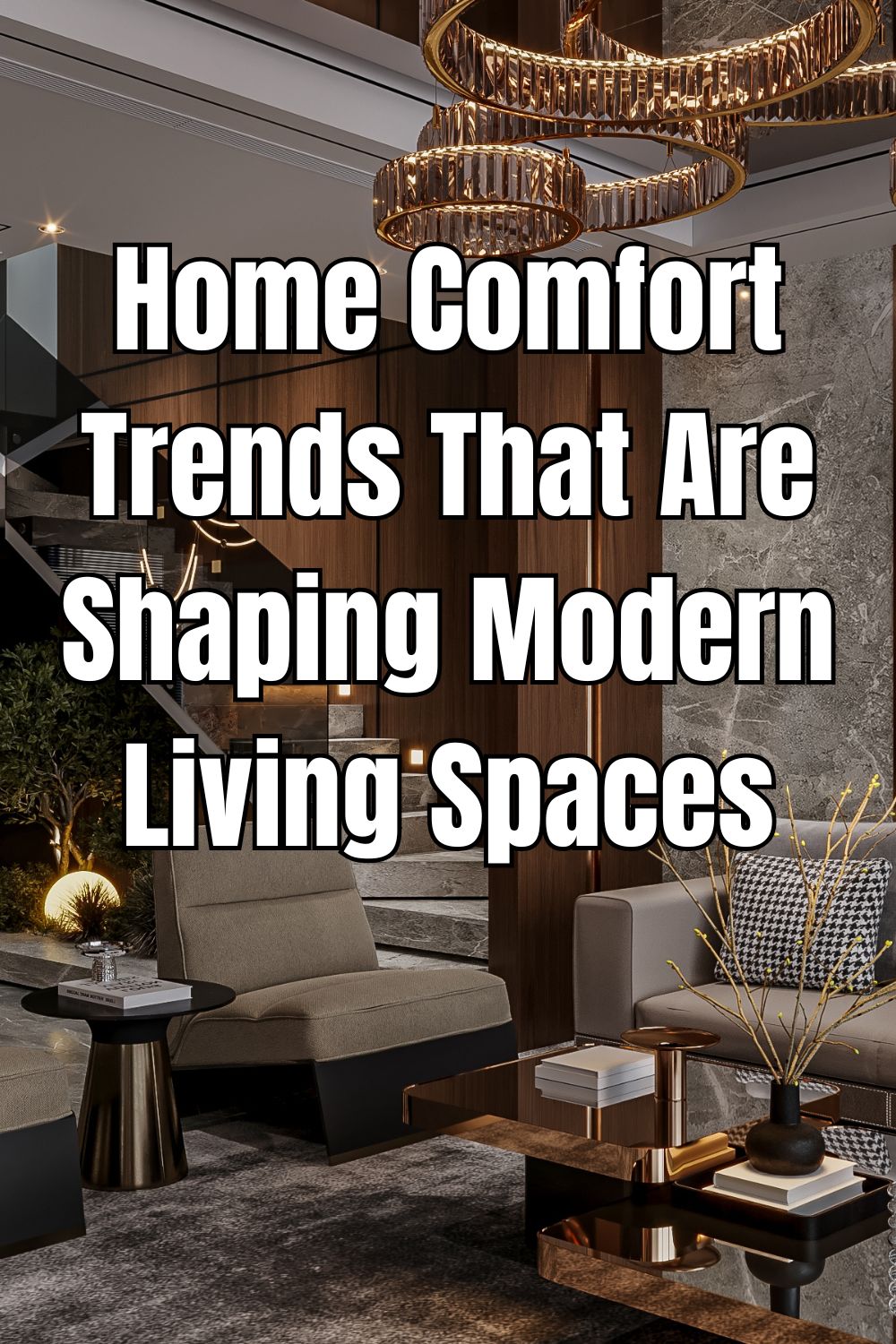
Home Comfort Trends That Are Shaping Modern Living Spaces
Have you noticed how homes suddenly became more than homes? In the past few years, living rooms turned into offices, kitchens became classrooms, and patios transformed into weekend escapes that people actually use instead of just showing off during barbecues. Americans are no longer decorating for appearances alone. They want comfort that works hard, saves money, and helps them feel calmer in a loud and stressful world.
Modern comfort now blends technology, wellness, energy savings, and personal style into spaces that feel practical without looking boring.
Comfort Is Replacing Formality
The formal dining room is quietly disappearing, and honestly, few people seem upset about it. Families want spaces they can actually use every day instead of rooms that sit untouched for eleven months waiting for Thanksgiving. Oversized sectionals, soft lighting, and multipurpose furniture are replacing stiff layouts that once looked impressive but felt awkward. Living rooms are now being designed around how families actually spend their time together, and thoughtful touches like a well-planned TV installation have become part of creating a space that genuinely works for everyone.
This shift reflects broader cultural changes. After years of uncertainty, people crave spaces that feel emotionally safe. Designers report growing demand for cozy textures, curved furniture, and warm paint colors because homes are now expected to reduce stress instead of adding to it. Even luxury homes are leaning less toward museum-style perfection and more toward relaxed comfort that invites people to kick off their shoes.
Smart Heating Is Becoming a Daily Essential
Energy costs and extreme weather have pushed homeowners to pay closer attention to indoor temperature control. Smart thermostats, zoned cooling systems, and energy-efficient upgrades are no longer considered fancy gadgets for tech lovers. They are practical tools that help families stay comfortable while lowering monthly bills.
Many homeowners now research local HVAC experts before summer heat waves arrive because nobody wants their air conditioner to quit during a 110-degree afternoon. Companies like Around the Sun Heating & Cooling have become part of a larger trend where homeowners expect heating and cooling systems to work quietly, efficiently, and with less energy waste. The irony is hard to miss. People once bragged about giant homes, but now they brag about insulation ratings and smart vents.
Wellness Design Is Moving Into Everyday Homes
The wellness industry has entered home design with surprising speed. Air purifiers, circadian lighting, and water filtration systems are now common talking points during renovations. Homeowners increasingly think about how a room feels physically, not just how it photographs for social media.
This trend grew stronger after people spent more time indoors during the pandemic. Natural light became valuable in a whole new way. Indoor plants exploded in popularity because they made spaces feel alive during long stretches at home. Even simple changes, like using blackout curtains for better sleep or adding noise-reducing rugs, are becoming part of modern comfort planning. People are designing homes that support mental health without turning every room into a yoga studio.
Outdoor Spaces Are Becoming Real Living Areas
Backyards used to be optional. Now they function as extensions of the home itself. Americans are investing in outdoor kitchens, fire pits, covered patios, and weather-resistant furniture because they want more usable living space without paying for a larger house.
This trend also reflects changing social habits. Many people now prefer smaller gatherings at home over crowded restaurants or expensive events. A comfortable patio with string lights and decent seating can suddenly become the most popular “restaurant” in the neighborhood. Realtors even note that functional outdoor spaces can significantly increase buyer interest because people imagine themselves using those areas immediately, not someday in the distant future.
Storage Is Quietly Becoming Luxury
Nothing ruins comfort faster than clutter. That realization has fueled demand for smarter storage solutions in homes of every size. Built-in shelves, hidden charging stations, under-bed storage, and mudrooms are now viewed as essential rather than decorative extras.
Interestingly, this trend says a lot about modern consumer culture. Americans continue buying more items while simultaneously trying to create calmer spaces. The result is a constant battle between minimalism and online shopping habits. Homeowners want clean countertops and organized closets, but they also keep ordering gadgets that promise to organize other gadgets. The smartest modern homes solve this tension by hiding daily mess without requiring people to live like monks.
Flexible Rooms Are Replacing Single-Purpose Spaces
The modern home office is no longer a temporary setup squeezed beside the laundry basket. Flexible spaces have become a major priority because people need rooms that can adapt quickly throughout the day. A guest room may double as a workspace, fitness corner, or gaming area within the same week.
This flexibility reflects larger workplace changes happening across the country. Hybrid work schedules have reshaped how families think about square footage. Instead of prioritizing giant entryways or oversized formal rooms, homeowners increasingly value sliding doors, fold-away desks, and soundproof corners for video meetings. Comfort now depends partly on whether a home can keep up with unpredictable routines without creating constant chaos.
Technology Is Becoming Less Visible
The biggest technology trend in homes right now might actually be invisible technology. Homeowners still want convenience, but they no longer want rooms that resemble electronics stores. Hidden speakers, wireless charging furniture, and discreet smart home systems are becoming far more appealing than flashy gadgets blinking from every corner.
People are also becoming more cautious about screen overload. After years of nonstop notifications and digital fatigue, many homeowners want technology that quietly supports daily life instead of demanding attention every few minutes. Voice controls, automated blinds, and smart lighting systems fit naturally into this shift because they reduce effort without dominating the room visually. Comfort increasingly means simplicity rather than endless digital stimulation.
Modern comfort is no longer about showing wealth through oversized rooms or expensive decor. It is about creating spaces that support daily life in realistic and meaningful ways. Americans want homes that reduce stress, save energy, encourage connection, and adapt easily to changing routines. The most interesting part is how these trends reveal deeper cultural priorities. People are searching for calm, flexibility, and control in a world that often feels unpredictable. Home design has quietly become a reflection of emotional needs as much as physical ones, and that may be the biggest comfort trend of all.
Leave A Reply!