Explore the factors that affect single dental implant cost to make informed decisions about your dental health.
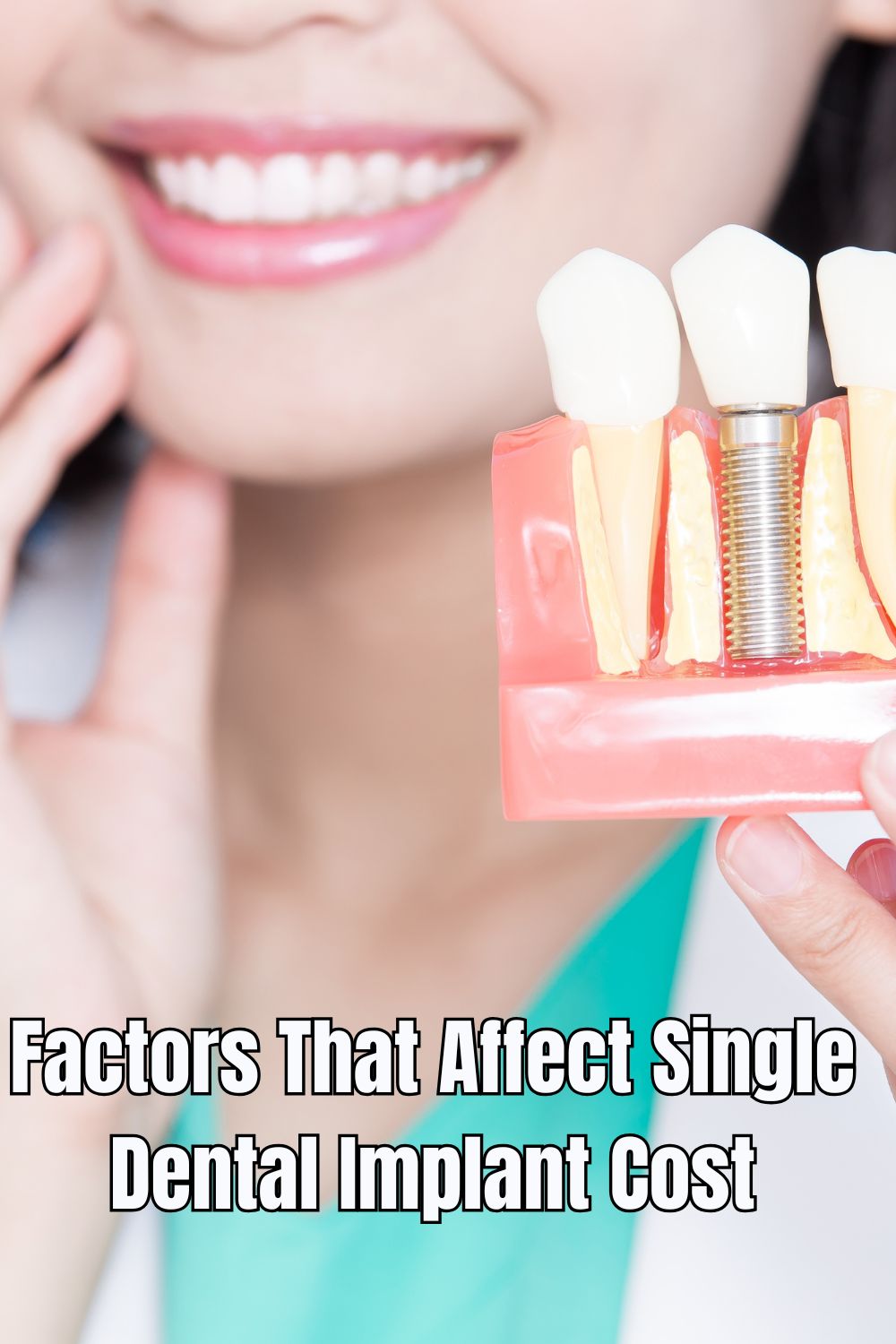
Factors That Affect Single Dental Implant Cost
When a single tooth is lost, the ripple effects extend far beyond the visible gap. According to the American Dental Association’s 2024 clinical guidelines, untreated tooth loss triggers bone resorption that can compromise adjacent teeth within 12-18 months — yet implant costs remain one of the most misunderstood aspects of restorative dentistry. As digital planning technologies and new materials reshape the field, patients face an increasingly complex landscape of options, each with distinct cost implications that aren’t always apparent upfront.
The challenge goes deeper than sticker shock. While many dental practices quote headline figures for implant procedures, the actual investment depends on variables that most patients never consider — from the type of bone integration protocol used to the specific materials chosen for long-term durability. Understanding these cost drivers has become essential for making informed decisions, especially as insurance coverage evolves and financing options multiply. The decisions made during initial consultation and treatment planning often determine not just the immediate expense, but the total cost of ownership over decades.
What follows is a detailed examination of the clinical, material, and procedural factors that shape single dental implant costs — and why some investments deliver measurably better outcomes than others.
What Key Factors Drive the Cost of a Single Dental Implant
The foundation of implant cost lies in surgical complexity, which varies dramatically based on individual patient anatomy. When sufficient bone volume exists at the implant site, a straightforward placement procedure might require only local anesthesia and basic instrumentation. However, patients with bone loss — whether from trauma, infection, or extended time since tooth extraction — often need additional procedures that significantly impact the total investment.
Bone grafting represents the most common cost variable. Minor ridge preservation procedures may add $300-800 to treatment, while major grafting for severe deficiency can increase costs by $1,500-3,000. Sinus lift procedures, required when replacing upper premolars or molars with insufficient bone height, add another layer of complexity and expense. Geographic location compounds these variations, with metropolitan areas typically charging 25-40% more than rural practices due to higher overhead costs and specialist availability.
The timing of implant placement also influences cost structure. Immediate placement following extraction requires careful case selection and often specialized surgical protocols, while delayed placement allows for complete healing but may necessitate additional imaging and surgical visits. Each approach carries distinct advantages and cost implications that extend beyond the initial procedure.
Additional procedures frequently required include tissue grafting for aesthetic zones, where pink tissue architecture matters as much as white tooth structure, and computer-guided surgical planning for complex cases. These refinements improve predictability and outcomes but add to the overall investment in ways that become apparent only during detailed treatment planning.
How Implant Materials and Surgical Techniques Impact Cost and Outcomes
Materials Used in Single Dental Implants
The implant fixture itself — the titanium post that integrates with jawbone — represents a significant portion of total cost, but not all titanium implants are equivalent. Premium implant systems feature surface treatments and geometric designs backed by decades of clinical research, while value-oriented options may offer basic functionality at lower cost. The difference often becomes apparent in integration timeframes and long-term stability rates.
Titanium grade and surface characteristics directly affect both cost and clinical performance. Grade 4 commercially pure titanium remains the gold standard, but some manufacturers use titanium alloys that offer enhanced strength properties. Surface modifications — from simple acid-etching to advanced nanotechnology coatings — can improve osseointegration speed and quality, though these innovations typically increase component costs by 15-30%.
Abutment selection adds another cost variable. Stock abutments work well for straightforward cases, while custom abutments fabricated from titanium or zirconia provide optimal emergence profiles for challenging aesthetic situations. The choice between these options often depends on the specific tooth being replaced and its visibility when smiling. For those considering getting a single implant in South Loop, the balance between material costs and aesthetic outcomes becomes particularly relevant in high-visibility locations.
Crown materials complete the restoration and significantly influence both appearance and longevity. Porcelain-fused-to-metal crowns offer proven durability at moderate cost, while all-ceramic options provide superior aesthetics but require careful case selection to avoid fracture.
Surgical Techniques and Loading Protocols
Modern implant placement increasingly relies on digital planning tools that improve precision while adding to procedural costs. Three-dimensional imaging, virtual treatment planning, and guided surgery protocols can increase fees by $400-1,200 but offer measurable improvements in placement accuracy and reduced surgical time.
Loading protocols — the timing of crown placement — represent a critical decision point with cost implications. Traditional delayed loading requires 3-6 months of healing before crown fabrication, necessitating multiple appointments and possibly temporary restoration costs. Immediate loading protocols allow same-day crown placement in suitable cases but require specific implant stability parameters and often premium implant systems designed for immediate function.
The surgical approach itself influences both complexity and cost. Flapless surgery, performed through the existing gum tissue, reduces healing time and patient discomfort but requires ideal tissue architecture and precise planning. Traditional flap procedures provide better visualization and control but involve longer healing periods and greater post-operative care requirements.
What to Expect During Single Implant Placement and Recovery
The implant placement process unfolds in carefully orchestrated stages, each with specific timeline and cost implications. Initial consultation includes comprehensive examination, radiographic imaging, and treatment planning — typically representing $200-500 of the total investment. This phase determines whether additional procedures will be necessary and establishes realistic expectations for healing timeframes.
Surgical placement day involves local anesthesia, precise osteotomy preparation, and implant insertion using controlled torque protocols. Most patients experience minimal discomfort during the procedure itself, though post-operative pain management varies by individual tolerance and surgical complexity. The initial healing period spans 7-14 days, during which patients follow specific care protocols to optimize tissue recovery.
Osseointegration — the biological bonding between implant and bone — requires 8-16 weeks for lower jaw implants and 12-24 weeks for upper jaw placements. During this phase, patients typically wear temporary restorations or removable appliances to maintain function and aesthetics. The integration period represents a critical investment in long-term success, as rushing the process significantly increases failure rates.
Crown fabrication and delivery occur once integration is confirmed through clinical examination and often radiographic verification. This appointment involves impression-taking, shade matching, and precise bite adjustment to ensure proper function with opposing teeth. The entire process from initial placement to final crown delivery typically spans 3-6 months, though immediate loading protocols can reduce this timeframe for suitable candidates.
Recovery varies considerably among patients, with factors like age, general health, and oral hygiene compliance influencing healing quality. Most people return to normal activities within 2-3 days, though complete tissue maturation continues for several months after crown delivery.
How Do Single Dental Implants Compare to Other Tooth Replacement Options
Single dental implants occupy a unique position among tooth replacement alternatives, offering distinct advantages that justify their higher initial cost for many patients. Fixed partial dentures (bridges) require modification of adjacent healthy teeth to serve as abutments, permanently altering tooth structure that cannot be restored. While bridges cost less initially — typically $2,500-4,500 for a three-unit restoration — they create long-term maintenance obligations and potential complications for the supporting teeth.
Removable partial dentures represent the most economical immediate solution, often costing $800-2,500, but they address only the visible tooth replacement without preventing underlying bone loss. The ongoing costs of adjustments, relines, and eventual replacement can accumulate significantly over time, while functional limitations affect diet choices and confidence.
Implants preserve adjacent tooth structure while providing independent function that closely mimics natural teeth. The preservation of jawbone through continued loading represents a significant long-term health benefit that other options cannot provide. While the initial investment typically ranges $3,500-6,500, the absence of continuing maintenance costs for adjacent teeth often makes implants the most economical choice over 15-20 year timeframes.
Aesthetic outcomes vary markedly among alternatives. Implants emerge from the gum tissue like natural teeth, supporting normal tissue architecture and providing optimal lip support. Bridges can achieve excellent aesthetics but may show margin lines over time, while removable options often compromise facial support and natural appearance.
The decision matrix includes factors beyond pure economics: age at time of treatment, general health status, adjacent tooth condition, and personal preferences for maintenance requirements all influence the optimal choice for individual situations.
Why Long-Term Maintenance and Success Rates Matter for Cost-Effectiveness
Clinical research demonstrates that properly placed and maintained single dental implants achieve 95-98% survival rates at 10 years, making them among the most predictable procedures in dentistry. However, these outcomes depend heavily on patient compliance with maintenance protocols and professional care schedules. Understanding the long-term care requirements helps clarify the true cost of ownership beyond initial placement.
Routine maintenance involves regular professional cleanings and examinations, typically every 3-6 months depending on individual risk factors. The implant crown requires replacement approximately every 10-15 years due to normal wear, representing a significant but predictable expense. Failure to maintain proper oral hygiene can lead to peri-implantitis — inflammation around the implant — which may require expensive regenerative treatments or implant removal.
Success factors extend beyond clinical metrics to include patient satisfaction with function and aesthetics. Studies show that implant patients report significantly higher satisfaction scores compared to bridge or denture wearers, particularly regarding chewing efficiency and confidence in social situations. These quality-of-life improvements, while difficult to quantify economically, represent substantial value for most patients.
The investment in proper diagnosis and treatment planning pays dividends in long-term success. Cases involving inadequate bone volume, poor implant positioning, or suboptimal crown design show measurably higher complication rates and associated costs. Working with experienced practitioners who prioritize comprehensive planning typically yields better long-term value despite potentially higher initial fees.
For patients evaluating implant treatment, the focus should extend beyond immediate costs to encompass the decades of function and oral health benefits that successful treatment provides. The mathematical advantage becomes clear when comparing 20-year ownership costs across different tooth replacement options, with implants typically emerging as the most cost-effective solution for patients who maintain good oral health.
Leave A Reply!