Explore the challenges of Addiction in the Modern World and how stress contributes to substance dependency and healing.
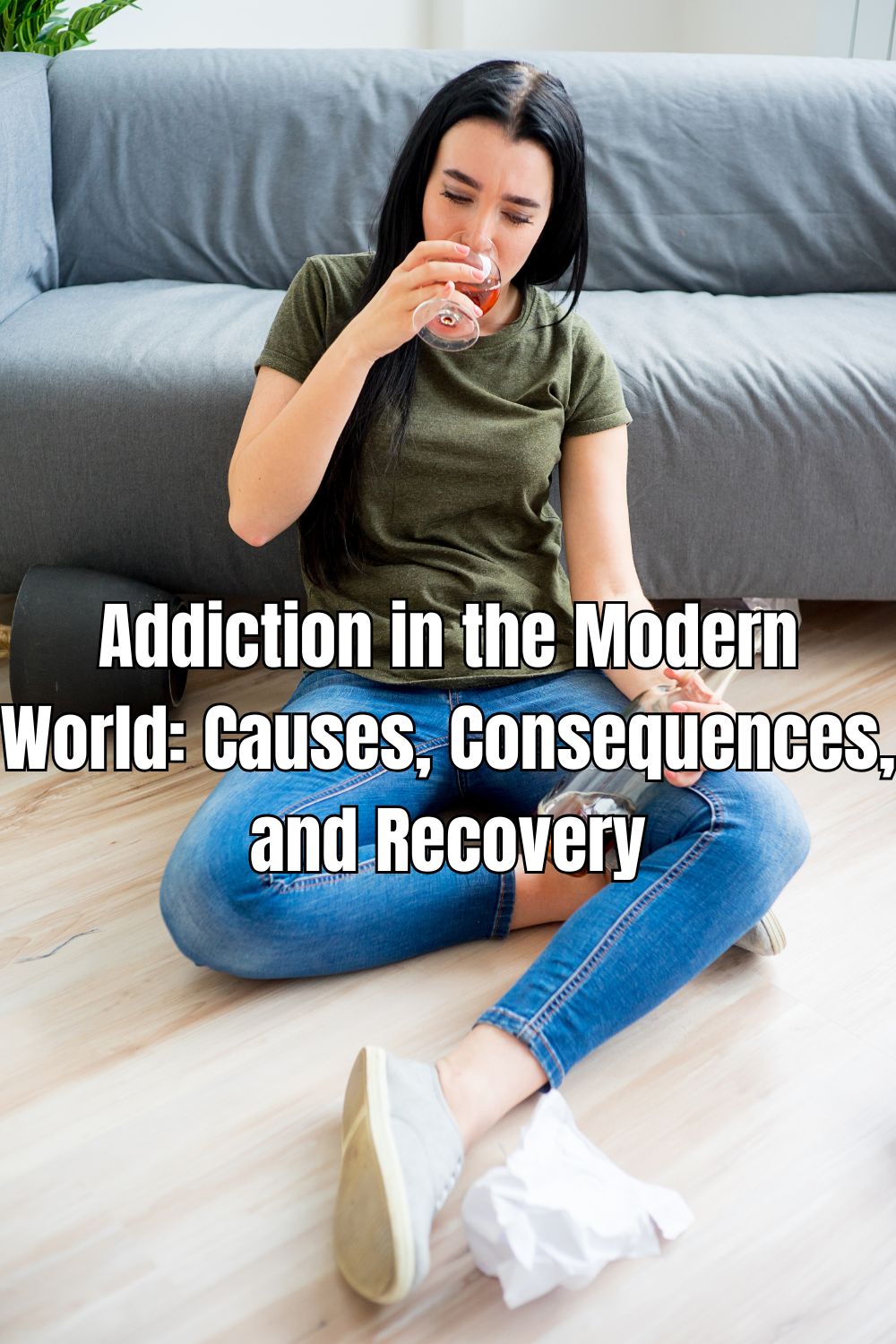
Addiction in the Modern World: Causes, Consequences, and Recovery
Living in a fast – paced society often creates high pressure for many. People frequently look for ways to manage daily stress or emotional pain that builds up over time. This search sometimes leads down a difficult path toward substance use and dependency.
Understanding how these habits start is the first step toward finding a healthier way forward. It is not about a lack of willpower – it is about how the human brain reacts to modern life.
Understanding Substance Use Today
Identifying the root causes of dependency helps families navigate the path toward long – term healing. Facilities like New Hope Healthcare Institute provide structured environments for those who are seeking a fresh start. These programs focus on lasting wellness rather than temporary solutions.
Having a strong support system makes a significant difference in the success of any recovery plan. It allows individuals to focus on their health without the distractions of everyday triggers. Recovery becomes much more manageable when there is a clear plan in place.
Scientific Shifts in Treatment
Modern research has changed the way society views people struggling with addiction. One federal health organization recently explained that addiction is now recognized as a chronic and treatable brain disorder. This shift helps remove the old stigma that once prevented many from seeking medical help.
Treating the condition as a clinical issue allows for much more effective interventions. Doctors can now use targeted therapies to help repair the neural pathways affected by chemical use. This medical approach provides a solid foundation for long – term sobriety.
Tracking Usage Across the Nation
Data helps us see the bigger picture of how many people are affected by these challenges today. A recent study found that 16.8% of Americans aged 12 and older used drugs within the last month. This represents a 1.9% increase when compared to numbers from previous years.
Knowing these statistics helps local communities put resources where they are needed most. It provides a roadmap for where educational programs and treatment centers should focus their efforts. Public awareness grows as these figures become more transparent.
Recent Progress in Overdose Prevention
There is reason to feel hopeful when looking at recent national health improvements across the country. A report on recent addiction trends highlighted that the U.S. saw a decrease in drug overdose deaths for the first time since 2018. This change suggests that public health efforts might be starting to make a real difference in local neighborhoods.
Progress like this encourages families to stay committed to their own recovery goals. Every life saved is a step toward a more stable society. It shows that collective action can reverse even the most difficult trends.
Youth Mental Health and Future Outlook
Mental health and substance use are often linked – especially among younger people in schools. A major health association reported that the percentage of teens with serious suicidal thoughts dropped from 12.9% in 2021 to 10.1% in 2024. This decline shows that mental health awareness programs are reaching those who need them at the right time.
Supporting youth early on can prevent more serious dependency issues from developing later in life. Communities are finding that open conversations about mental health lead to better outcomes for students. Investing in the well – being of kids creates a healthier future for everyone.
Strategies for Immediate Safety
Keeping people safe as they move through a struggle is a major part of modern care models. One psychological group noted that harm reduction methods save lives and help connect individuals to formal treatment options. These strategies focus on immediate safety and the prevention of infectious diseases.
By staying engaged with care providers, people have a much better chance of entering long – term recovery. Meeting people where they are creates a bridge to a healthier lifestyle. It prioritizes the person over the habit.
Long – Term Trends Among Students
Preventing early exposure to drugs is a top priority for most parents and educators today. Federal news releases indicate that substance use among adolescents has stayed at lower levels for 4 years in a row. This stability is a good sign for the physical health of the next generation of leaders.
Constant monitoring and early education continue to be the best tools for maintaining this positive trend. It shows that collective efforts to inform students about risks are working. Teaching resilience in the classroom helps students make better choices at home.
Dramatic Changes in Mortality Rates
The latest numbers from national health centers show a dramatic improvement in public safety statistics. Government data shows there were about 80,391 overdose deaths in 2024 – which is a 26.9% drop from the year before. This represents thousands of lives saved through better intervention and clinical care.
- Increased access to life – saving medications in public spaces.
- Better community outreach programs for high – risk groups.
- Expanded insurance coverage for residential treatment.
Recovery is a journey that requires patience and steady support from loved ones. Though the path seems long, many people find a way to rebuild their lives every single day. Modern tools and better medical understanding make this process more reachable than it was in the past.
Leave A Reply!