Explore 6 skin concerns that respond best to professional chemical peels for effective skin rejuvenation and brightness.
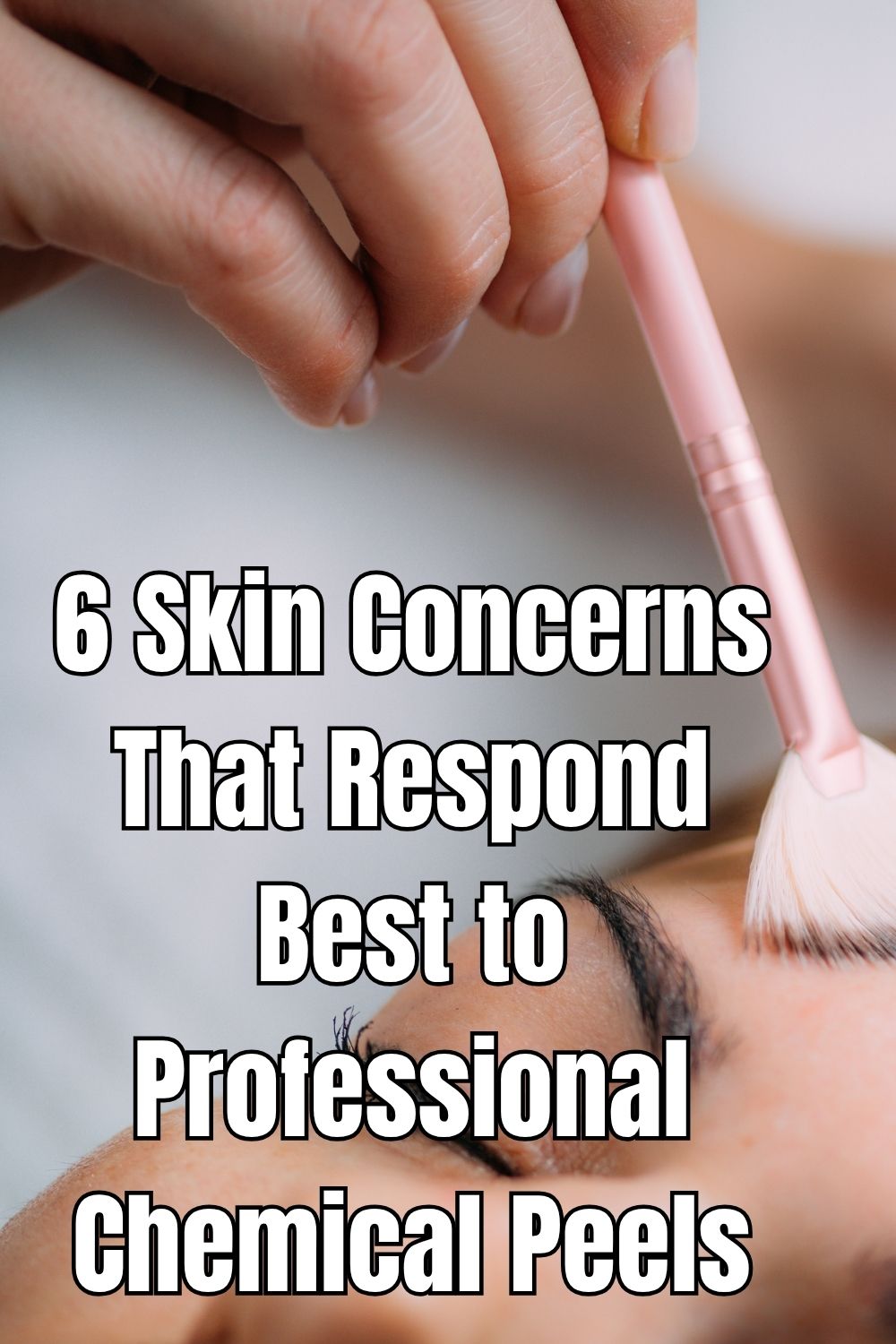
6 Skin Concerns That Respond Best to Professional Chemical Peels
In places like Scottsdale, where sun exposure is part of everyday life, skin concerns tend to show up differently and sometimes more stubbornly. Years of sun, heat, and dryness can build up under the surface, making it harder for over-the-counter products to keep up.
That is often when people begin looking beyond basic products and start considering treatments that go a bit deeper. Professional treatments like chemical peels are designed to refresh the skin at a deeper level, helping it shed what is no longer serving it.
Here are six common skin concerns that tend to respond especially well to professional chemical peels.
1. Uneven Skin Tone That Won’t Settle
Uneven skin tone can be frustrating because it typically lingers no matter how many brightening products you try. You may notice dull patches, slight discoloration, or areas that just do not match the rest of your complexion.
Many people looking into treatment options usually find that a chemical peel in Scottsdale is designed to gently remove the outer layer of skin where much of this unevenness sits. Instead of layering product after product, the peel works by encouraging new, more balanced skin to come forward.
Clinics such as Shapiro Plastic Surgery often outline how different peel strengths can be adjusted depending on how deep the discoloration goes. This matters because not all uneven tone is surface-level, and treating it properly requires that kind of precision. Over time, what people usually notice is not just brighter skin, but a more consistent tone overall.
2. Sun Damage That Shows Up as Dark Spots
Sun damage has a way of catching up with you. It might start as a few faint spots, then gradually turn into more noticeable patches that do not fade on their own.
According to research published in the journal Molecules, repeated sun exposure may account for up to 80% of visible skin aging, including hyperpigmentation. That is why this concern is so common, especially in warmer regions.
Chemical peels can help break down those darker areas by exfoliating the layers where excess pigment has built up. With each treatment, the appearance of spots can soften, making them less obvious.
It is not an overnight fix, but it tends to be one of the more reliable approaches for people dealing with sun-related pigmentation.
3. Acne That Keeps Coming Back
Recurring acne is not always about poor skincare habits. Sometimes, it is about clogged pores that sit deeper in the skin and keep resurfacing.
Professional chemical peels work by clearing out those pores while also removing dead skin cells that contribute to breakouts. This combination can help reduce how often acne appears and how severe it gets.
In practice, what we have seen is that people who struggle with persistent breakouts often benefit from consistent treatments rather than one-off sessions. The skin gradually becomes less congested, which makes flare-ups easier to manage. It also helps that certain peels contain ingredients that calm inflammation, making them suitable for acne-prone skin.
4. Fine Lines That Are Starting to Show
Fine lines tend to creep in quietly. One day, your skin looks smooth, and the next, you start noticing faint lines around your eyes or mouth, especially in certain lighting.
Chemical peels can help soften these early signs of aging by encouraging cell turnover. As new skin replaces older, less elastic layers, the surface appears smoother.
Statista reports that non-invasive treatments aimed at improving the skin have grown steadily in popularity, with millions of procedures performed each year. That says a lot about how many people are looking for subtle improvements without surgery. With the right peel, the goal is not to erase every line, but to make them less noticeable and restore a fresher look.
5. Rough Texture That Feels Hard to Smooth Out
Sometimes, your skin just does not feel as smooth as it used to. It may look slightly dull, feel uneven to the touch, or seem resistant to exfoliating scrubs.
This is often due to a buildup of dead skin cells that regular exfoliation cannot fully remove. Chemical peels address this by dissolving those layers more effectively than surface-level treatments.
As the skin renews itself, the texture tends to feel softer and more refined. Makeup sits better. Skincare products absorb more easily. Small improvements like these can make a noticeable difference in how your skin looks day to day.
6. Mild Scarring That Lingers After Breakouts
Even after acne clears, it can leave behind marks or shallow scars that take time to fade. These are not always deep, but they can still affect how smooth your skin appears.
Chemical peels can help by gradually resurfacing the skin, which reduces the appearance of these marks over time. Each session encourages the skin to rebuild itself more evenly.
The key here is consistency. Mild scarring does not disappear after a single treatment, but with repeated sessions, the skin often looks clearer and more uniform. It is a steady process, but one that many people find worthwhile.
Conclusion
Not every skin concern needs an aggressive approach, but some issues benefit from going a little deeper than your usual routine allows. Chemical peels sit in that middle ground where the treatment is targeted, but still manageable for most people.
Whether it is uneven tone, acne, or lingering sun damage, the goal is usually the same. You want your skin to look clearer, smoother, and a bit more balanced. And sometimes, that starts with giving your skin the chance to start fresh.
Leave A Reply!