Explore why useful porch designs improve your home’s social environment and foster connections with neighbors and friends.
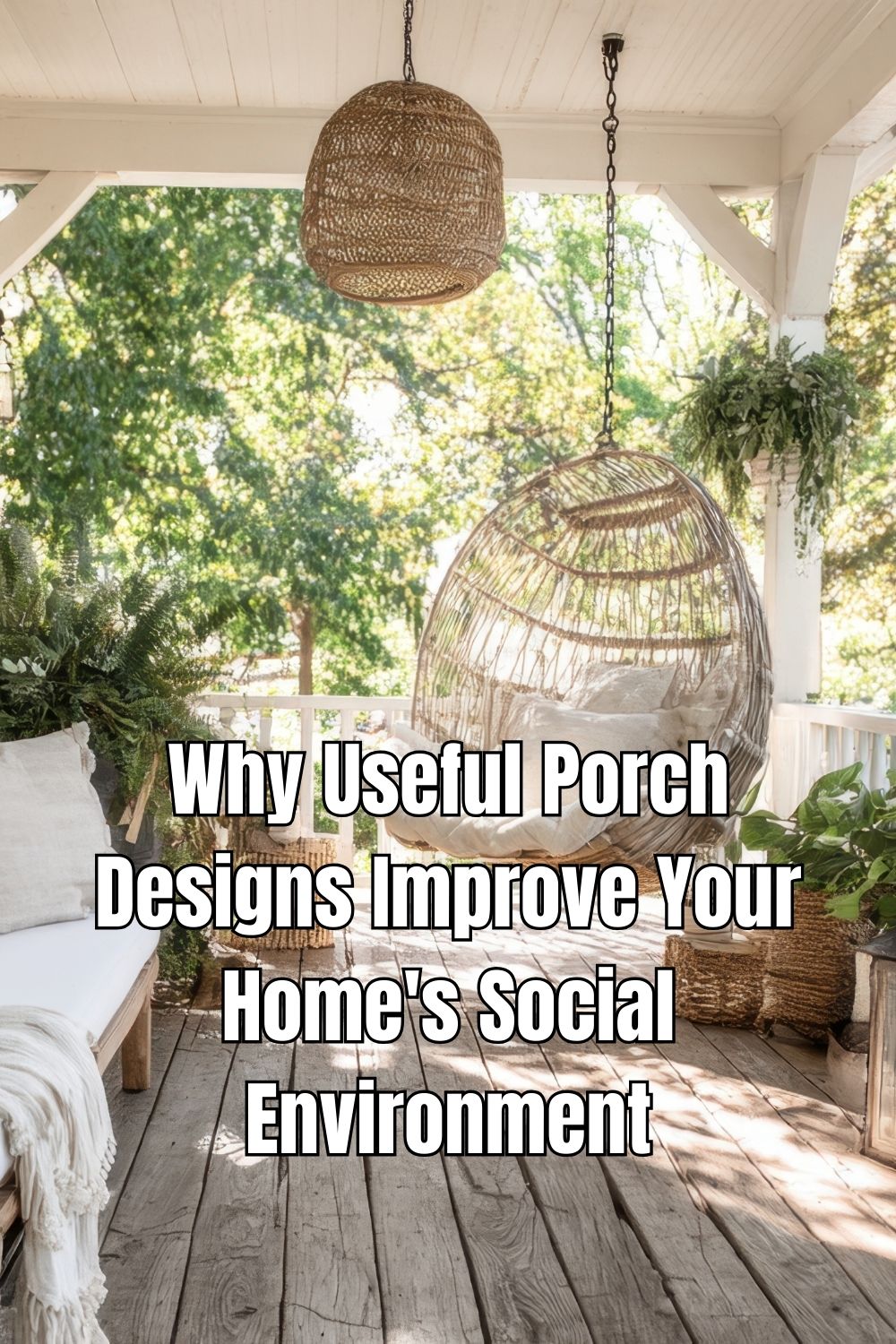
Why Useful Porch Designs Improve Your Home’s Social Environment
A good porch does more than frame the front of your home. It sets the tone for how you welcome neighbors, gather with friends, and enjoy daily life outside your four walls.
When a porch works, people naturally linger. You wave more, chat more, and notice what is happening on your street. The result is a home that feels warmer and a block that feels safer.
Porches Turn Houses Into Social Spaces
Think about how you move through your day. A deep step to sit on, a small table for coffee, and a rail to lean against all create moments that slow you down. Those pauses become invitations to connect.
Well-placed seating makes short talks happen without effort. For layouts and scales that feel natural, firms like Indianapolis Patio Builders help shape outdoor zones people actually use. It nudges you to spend a few extra minutes outside, and that is when the quick hello becomes a real conversation with neighbors.
Add simple comforts so the space works most days. Shade, a ceiling fan, and a place to set a drink extend the time you want to stay. Small touches support big habits.
The Psychology Of A Welcoming Porch
A porch feels open and protected, which is why people gravitate to it. You are close enough to street life to engage, but far enough back to feel at ease. That middle ground lowers the barrier to saying hello.
Eye contact and visibility play a role. When faces are easy to see from the sidewalk, short, friendly exchanges become normal. Those micro-interactions build a sense of belonging.
Materials affect mood, too. Warm wood, soft textiles, and plants suggest comfort. At night, warm-white lighting at eye level makes smiles visible without glare.
What People Want From Outdoor Living Today
Homeowners increasingly treat porches and patios like living rooms with fresh air. Portable heaters, layered rugs, and durable fabrics help extend the season. Flexible layouts let one space handle morning coffee, after-school snacks, and weekend hangs. A reporting highlighted how strong this demand has become, noting that most buyers now say outdoor living is high on the wish list. That perspective explains why even compact homes carve out room for a usable front or back porch. It hints at resale value when your porch supports everyday life.
Design that supports quiet time and small-group chats wins. If the layout only works for one purpose, it will sit empty the rest of the week. Versatility keeps the space lively.
Design Moves That Invite Conversation
Small design moves add up to social comfort. Aim for seating in a U or L shape so people can face each other without shouting. Keep walking paths clear, so anyone can join without interrupting.
- Choose 2 seating zones: one for 2 to 3 people and one for 4 to 6.
- Set a low table within easy reach of every seat.
- Add a rug to define the chat area.
- Hang one ceiling fixture for ambient light and place one floor lamp for focus.
- Use planters to suggest boundaries rather than walls.
Design experts have pointed out current porch and patio trends that boost usability, like layered textures, mixed materials, and smart lighting. Those choices are not only pretty. They subtly encourage people to stay longer and talk more by making the area feel finished but relaxed.
Walkability, Visibility, And Neighborly Trust
Where the porch sits on the lot matters. A porch close to the sidewalk encourages short chats, while a higher platform offers privacy but can reduce interaction. Balancing those factors helps your home feel open and comfortable.
Urban design research has linked active porches, walkable blocks, and stronger social ties. When people see each other out front, small greetings lead to trust, which supports safer and more connected streets. A well-used porch becomes a signal that residents care about the shared space of the block.
Designing For Street Life
Consider a rail height that allows clear sight lines. Use plants at the edges to soften views without building a wall. Keep steps wide enough for two people to pass.
Planning For Your Climate And Lifestyle
Climate shapes the best porch features. In hot zones, prioritize shade, airflow, and light-colored surfaces that stay cool. In colder places, wind breaks and movable heaters extend your season.
Match the layout to how you host. If you love small dinners, make room for a compact table and 4 sturdy chairs. If you prefer drop-ins, center the plan on easy lounge seating and side tables.
Think ahead about maintenance. Durable fabrics, sealed wood, and simple hardware reduce weekend chores. The less time you spend cleaning, the more you will spend outside with the people you care about.
A porch is one of the easiest ways to pull everyday life into the open. When the space is casual, comfortable, and flexible, connection happens with less effort.
Design for real use and simple habits will follow. With the right choices, your porch can become the place where neighbors stop, stories get told, and home feels bigger than your front door.
Leave A Reply!