Understand why early orthodontic evaluations matter for long-term oral health and prevent future dental issues.
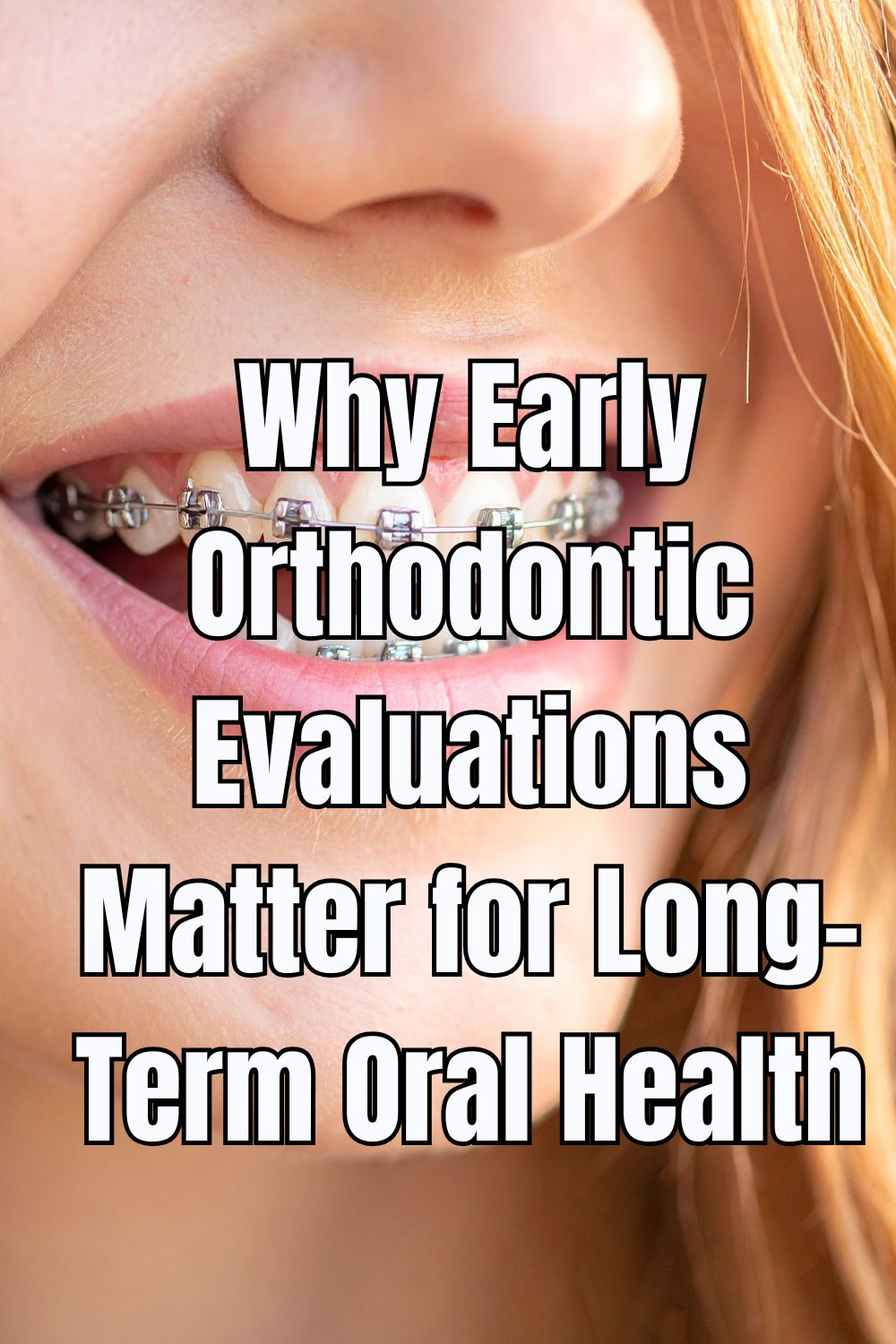
Why Early Orthodontic Evaluations Matter for Long-Term Oral Health
Most parents have had that moment where they notice a child’s teeth coming in a little crooked, then quietly decide to wait and see what happens. It feels harmless at the time. After all, baby teeth fall out, and kids change fast.
Problems that look small during childhood often become harder and more expensive to address later. Teeth, jaws, and bite patterns develop over time, and sometimes the early signs tell a much bigger story than people expect.
Looking Beyond Crooked Teeth
When people hear about early evaluations, they often think the goal is simply to spot crooked teeth. That is part of it, but the process usually goes much deeper. A trained specialist may look at jaw growth, how the upper and lower teeth fit together, crowding that may develop later, and even habits such as thumb-sucking or mouth breathing that can affect development. Some issues are not obvious to parents because the changes happen gradually. By the time discomfort appears or teeth become visibly crowded, the opportunity for simpler intervention may have already passed.
In many cases, early observation is not about starting treatment right away. It is more about understanding how a child’s mouth is developing and identifying patterns that could create problems later. Professionals often track growth over time and gather information before making recommendations.
This measured approach helps families make informed decisions instead of reacting when a problem becomes difficult to ignore. Choosing the right specialist matters just as much as the timing, especially when a child’s early development calls for careful judgment rather than rushed treatment. Families often turn to Dr Gen orthodontics for that level of care — a board-certified specialist with decades of experience guiding kids, teens, and adults through clear aligners, braces, and personalized treatment plans built around real life.
Why Timing Matters More Than Many People Realize
The human jaw changes significantly during childhood. Bones are still growing, teeth are moving into place, and facial structures continue to develop. Because of this, certain concerns can sometimes be guided rather than corrected later through more complex methods.
A common example involves overcrowding. When there is not enough space for incoming permanent teeth, early monitoring may reveal the issue before all adult teeth erupt. Sometimes simple steps can help manage space and improve alignment as development continues. The same principle applies to bite problems. An overbite, underbite, or crossbite may seem minor when a child is young, but these conditions can place extra stress on teeth and jaw joints over many years. Small adjustments made during growth can sometimes reduce the need for extensive treatment later.
That does not mean every child requires intervention. In fact, many evaluations end with a recommendation to simply continue monitoring. Still, having that information available can prevent surprises down the road.
The Connection Between Bite Function and Oral Health
People often focus on appearance when discussing straight teeth. Yet function matters just as much, sometimes more. When teeth do not fit together properly, chewing can become less efficient. Certain teeth may carry more pressure than they were designed to handle. Over time, this uneven force may contribute to excessive wear, small fractures, or gum irritation.
Poor alignment can also make brushing and flossing more difficult. Tight spaces between teeth create areas where plaque tends to collect. Even individuals with good hygiene habits may struggle to clean those spots effectively. As years pass, these small challenges can add up. Cavities, gum disease, and tooth wear are rarely caused by a single issue. They usually develop through a combination of factors, and bite problems can be one piece of that puzzle.
Watching for Habits That Affect Development
Children often develop habits that seem harmless. Thumb-sucking, prolonged pacifier use, tongue thrusting, and chronic mouth breathing are common examples. Most of these habits disappear naturally. Some do not.
When they continue for an extended period, they can influence how teeth and jaws develop. The changes may be subtle at first. A slight shift in tooth position or a small alteration in jaw growth can become more noticeable over time. Mouth breathing deserves particular attention. Many parents assume it is simply a personal habit, but it can sometimes signal airway or nasal issues. Persistent mouth breathing may affect facial development and oral health in ways that are not immediately obvious. An early evaluation provides an opportunity to identify these patterns before they become deeply established.
Reducing Future Treatment Complexity
There is a common misconception that early evaluations automatically lead to braces. That is not how the process typically works. The goal is often to reduce future complications rather than increase treatment. Sometimes the best recommendation is patience. Other times, small interventions during growth may prevent larger procedures later.
Consider the difference between guiding a growing tree and trying to reshape a mature one. Both can be done, but one generally requires less effort.
Growth provides options. Once growth slows or stops, some corrections become more challenging. This reality does not mean adults cannot achieve excellent results. Many do. It simply means that certain opportunities exist during childhood that may not be available later.
Giving Families Better Information
One overlooked benefit of early evaluations is peace of mind through information. Parents spend a lot of time making decisions with incomplete information. They compare advice from friends, social media posts, and online forums that often contradict each other. The result is uncertainty.
An evaluation creates a clearer picture of what is actually happening. Families learn whether development appears normal, whether monitoring is needed, or whether a concern deserves closer attention. That knowledge helps people plan. It removes much of the guesswork and replaces it with a more realistic understanding of what may lie ahead.
A Small Step That Can Influence Long-Term Health
Oral health develops over decades, not months. Many conditions that require treatment during adulthood have roots that stretch back to childhood, even when the connection is not immediately obvious. Early evaluations are valuable because they focus on observation, timing, and prevention. They help identify developing concerns before they become larger problems. Sometimes they lead to treatment. Often, they lead to monitoring and education.
Either way, the process gives families a better understanding of how a child’s teeth and jaws are developing. That understanding can make future decisions easier and may contribute to healthier outcomes for years to come. The benefits are not always visible right away, which is perhaps why they are sometimes overlooked. Yet in the long run, paying attention early often proves worthwhile.
Leave A Reply!