Learn what happens if you get into a car accident while traveling with your kids. Safety tips for parents during road trips.
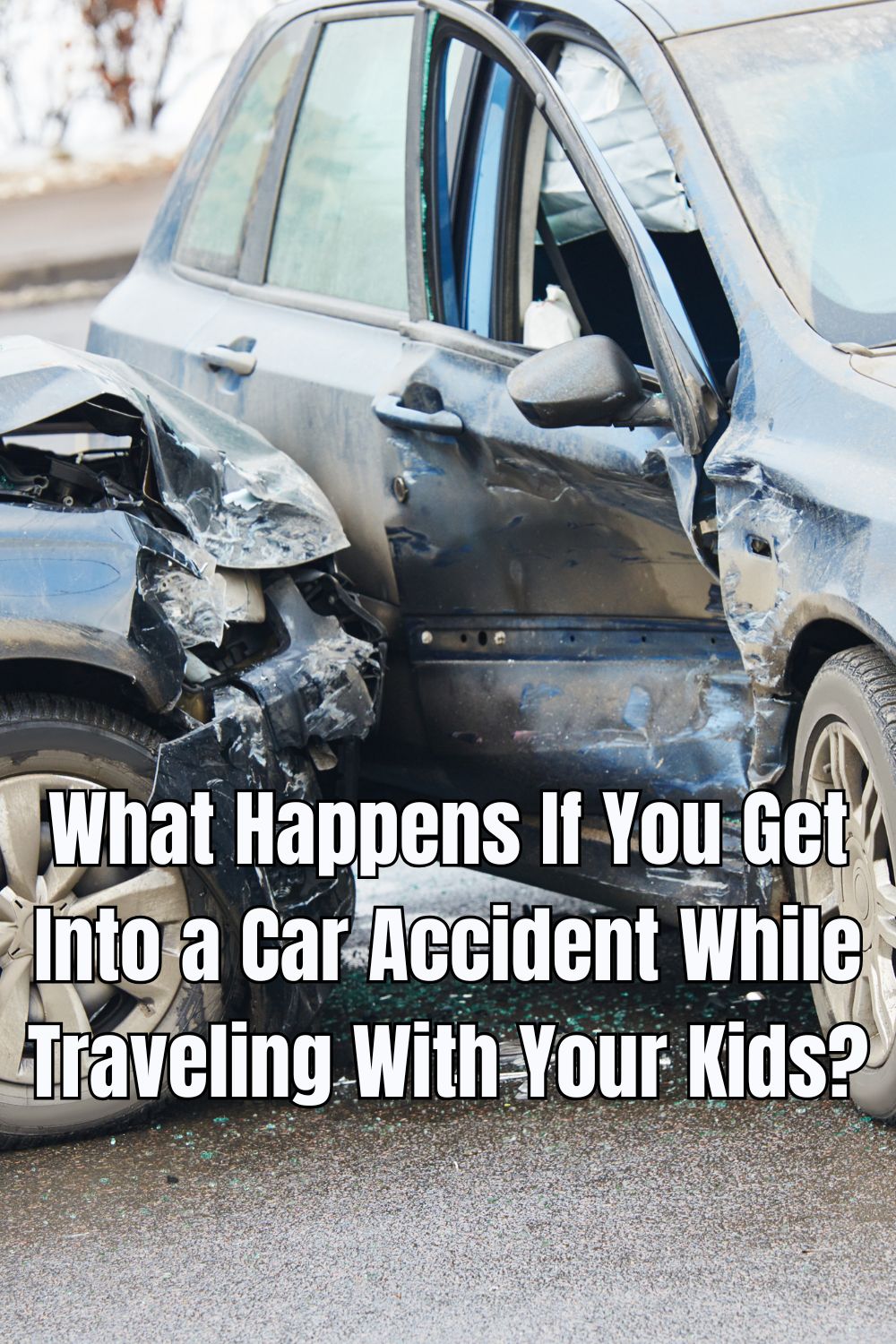
What Happens If You Get Into a Car Accident While Traveling With Your Kids?
Road trips with kids are some of the best family memories you can make — packed snacks, backseat sing-alongs, and the excitement of a new destination. But no matter how carefully you plan, accidents can happen. And when one does with your children in the car, the situation becomes a lot more stressful and a lot more complicated than a solo fender-bender.
Knowing what to do in those first moments — and in the days that follow — can make a real difference for your family’s health, safety, and financial recovery. This guide walks you through exactly what to expect and how to handle it, step by step.
Your First Priority: Check on Everyone in the Car
The moment a collision happens, your instinct as a parent kicks in immediately. Before anything else — before you think about the other driver, before you reach for your phone — check on your kids. Ask them where it hurts, even if they seem fine at first. Children don’t always cry or complain right away, especially when they’re in shock.
Call 911 right away if anyone is hurt, even if the injuries seem minor. Head and neck injuries in children can be subtle and are easy to miss without a medical exam. Getting everyone checked out by a professional isn’t overreacting — it’s the right call. According to the CDC, motor vehicle crashes are a leading cause of injury among children in the United States, and many injuries don’t show obvious symptoms immediately after impact.
What to Do at the Scene of the Accident
Once you’ve confirmed your children are safe and emergency services are on the way, focus on gathering information. Here’s what to do while you’re still at the scene:
- Call the police and wait for them to arrive, even if the other driver suggests handling it privately.
- Take photos of both vehicles, the road, any visible injuries, and the surrounding area.
- Exchange insurance and contact information with the other driver.
- Collect names and phone numbers of any witnesses nearby.
- Avoid admitting fault or making statements about the accident to anyone other than the police.
If the accident happens in or around Philadelphia, getting legal guidance early matters more than many families realize. A Philadelphia car accident attorney can help you understand your rights under Pennsylvania’s no-fault insurance laws, which differ from those of many other states and directly affect how your medical expenses and injury claims are handled. Getting this kind of guidance early — before you sign anything or give a recorded statement to an insurer — can protect your family’s ability to recover fair compensation.
When You’re Traveling in an Unfamiliar State
One of the trickiest parts of being in an accident while traveling is that you’re dealing with laws and insurance rules you may not be familiar with. Every state handles car accident claims differently. Pennsylvania, for example, is a “choice no-fault” state, which means the type of insurance coverage you selected before your trip can significantly limit — or expand — your options for filing a claim.
If you’re visiting from out of state, your own auto insurance policy may still provide some coverage, but gaps can appear quickly when injuries are serious or when multiple parties are involved. Don’t assume your regular coverage handles everything automatically. Read your policy carefully and contact your insurer as soon as possible after the accident.
Most personal injury claims in Pennsylvania must be filed within two years of the accident date. That window might seem long, but evidence disappears quickly — surveillance footage gets overwritten, witnesses become harder to reach, and medical records become more difficult to connect to the accident over time. Acting sooner rather than later gives your case the strongest possible foundation.
Taking Your Children’s Injuries Seriously
Children can appear perfectly fine after an accident and still have injuries that need attention. Soft tissue injuries, concussions, and internal bruising don’t always show up immediately. If your child complains of a headache, neck pain, or stomach discomfort in the hours or days after the crash, take that seriously and get them evaluated.
Keep a written record of every symptom your child mentions, every doctor’s visit, every medication prescribed, and every appointment missed because of the accident. This documentation isn’t just good parenting — it’s also essential evidence if you later need to file a claim for your child’s medical expenses or pain and suffering.
Also check the car seats. A car seat that has been through a moderate or severe crash is considered compromised and should be replaced, even if it shows no visible damage. Many insurance policies cover car seat replacement after an accident — something a lot of families don’t know to ask about.
Dealing With Insurance Companies After the Crash
Insurance adjusters often contact accident victims quickly — sometimes within 24 to 48 hours. They may sound sympathetic and helpful, but their goal is to settle the claim as efficiently as possible, which often means for less than what your family may actually need. This is especially true when children are involved, and the full extent of their injuries may not yet be known.
You are not required to give a recorded statement to the other driver’s insurance company. You are not required to accept an early settlement offer. And you are not required to navigate this process alone. Firms like Kwartler Manus work with traveling families who have been injured in Pennsylvania crashes to make sure every aspect of their case — medical bills, lost income, and long-term care needs — is properly accounted for before any settlement is accepted.
Conclusion
No parent ever wants to think about something going wrong on a family trip. But being prepared means that if it does, you’re not making important decisions in a fog of stress and confusion. Check on your kids first, call for help, document everything you can, and get medical attention even when injuries seem minor.
The legal and insurance side of things can feel overwhelming, especially when you’re away from home. But you don’t have to figure it all out on your own. Knowing your rights and understanding what steps to take — starting from the scene of the accident — puts your family in the best possible position to recover, physically and financially, and get back to making those road trip memories you were after in the first place.
Leave A Reply!