Explore vet-backed ways to care for pets in spring and summer for a happy and healthy National Pet Week.
Vet-Backed Ways to Care for Pets in Spring and Summer: National Pet Week Special

National Pet Week is a lovely reminder to celebrate the pets who bring so much comfort, fun, and companionship to family life. They are there for the morning school rush, the after-dinner walks, the lazy weekends in the garden, and the little everyday moments that make a house feel like home.
But National Pet Week is also a good time to check in on the practical side of pet care.
Spring and summer usually bring a change in routine for the whole family.
There is more time outdoors, more walks, more road trips, more garden play, and more opportunities for pets to join in. As lovely as that is, warmer weather also brings a few extra things to think about, from heat and bugs to itchy skin, paw problems, and garden hazards.
The good news is that seasonal pet care does not have to feel overwhelming. In most cases, a few simple habits can make a big difference. Here are some useful, vet-backed ways to help family pets stay safe, comfortable, and happy this spring and summer.
1. Do a simple seasonal reset for your pet’s routine
As the weather changes, it helps to do a quick reset for your pet just like you might for the rest of the family.
This does not have to be complicated. It can be as simple as checking that flea and tick prevention is up to date, making sure ID tags still have the right phone number, and saving your vet’s contact details somewhere easy to find. If your pet has not had a check-in for a while, spring is also a sensible time to book one.
This kind of seasonal reset matters because spring and summer tend to bring more activity. Dogs may spend more time at parks, on walks, or in the garden.
Cats may become more active around open windows, patios, or warmer spots around the home. Even small changes in routine can make minor health issues easier to miss.
It also helps to think ahead. If your family has travel plans, camping weekends, beach days, or more time outdoors coming up, now is the time to consider what your pet might need to stay comfortable and safe.
2. Be more careful with fleas, ticks, and other warm-weather pests
One of the biggest spring and summer pet-care issues is parasites.
Denver is often held up as one of the strongest examples of pet-friendly culture in the U.S., with everything from dog-friendly parks and businesses to a broader everyday mindset that treats pets as part of normal city life.
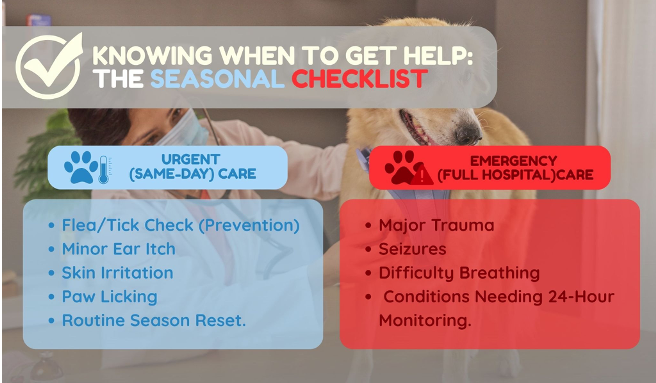
That culture also shows up in how care is approached. Denver animal hospitals like Sploot vets help reinforce one of the most useful lessons for pet owners anywhere: knowing how to tell the difference between a concern that needs same-day urgent care and one that truly requires emergency treatment.
Their guidance makes that distinction practical for owners, noting that many urgent cases can be treated during regular extended hours, while life-threatening situations such as seizures, major trauma, or conditions needing round-the-clock monitoring should go straight to a full emergency hospital.
As the weather gets warmer and pets spend more time outside, fleas and ticks become a much bigger concern.
Long grass, wooded paths, gardens, and even local parks can all increase exposure. It is easy to assume this is only a problem after a country walk or a hiking trip, but ticks can be picked up much closer to home than many people realize.
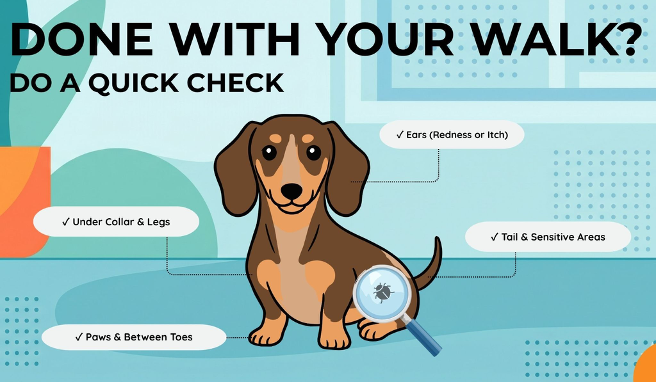
A good habit is to do a quick check after outdoor time, especially around the ears, under the collar, between the toes, under the legs, and near the tail. If your dog has a thicker coat, these checks matter even more because ticks can be easy to miss.
For busy families, the easiest approach is to make prevention part of the routine rather than something you remember after a problem starts. That means staying consistent with the products your vet has recommended and being a little more observant after spring and summer outings.
It is also worth remembering that pests do not just stay on pets. They can make their way into the house on fur, blankets, car seats, and gear. A few extra minutes of prevention is much easier than dealing with a household infestation later.
3. Adjust walks and playtime before the heat becomes a problem
One of the easiest warm-weather mistakes is assuming that if your pet still seems eager to play, everything is fine.
Many dogs will happily keep running, fetching, or walking long after they are starting to overheat. That is why it helps to adjust routines before your pet shows clear signs of struggling.
In warmer months, earlier morning walks and later evening walks are often a better choice than heading out in the middle of the day. Shorter outings may also be better than one long one, especially when temperatures climb quickly.
This is especially important for puppies, senior pets, overweight pets, and flat-faced breeds, all of whom may find heat harder to handle.
Some of the warning signs of overheating include heavy panting, unusual drooling, weakness, wobbliness, vomiting, or seeming suddenly tired and uninterested in continuing. These signs should never be brushed off. Heat-related illness can escalate quickly.
For families, this often comes down to one simple shift in mindset: do not wait for your pet to look distressed before making the day easier on them. Build in shade, water, breaks, and shorter outings from the beginning.
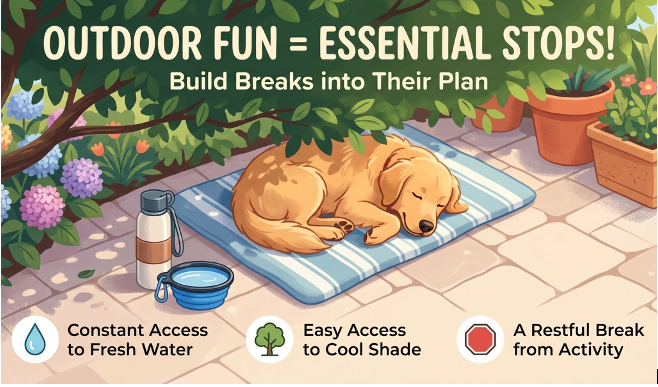
4. Keep water, shade, and rest part of every outing
When families are on the go in spring and summer, it is easy to think mostly about where you are headed and not enough about what your pet will need along the way.
If your dog is joining you for a day in the garden, a family barbecue, a walk in town, or a weekend outing, make water, shade, and rest part of the plan rather than an afterthought.
Pets need easy access to fresh water, a cooler place to rest, and a chance to step away from constant sun or activity. Even a dog that enjoys being outside can become uncomfortable quickly if there is nowhere to cool down.
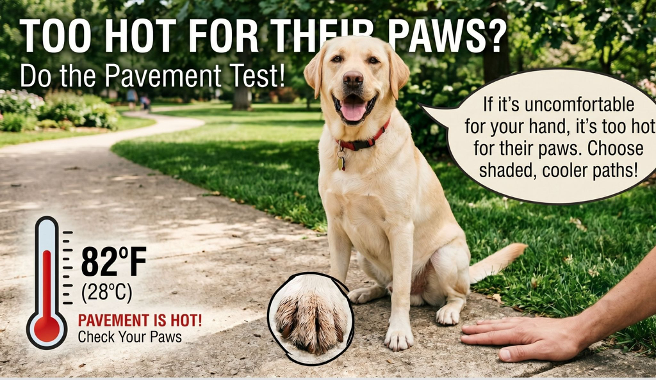
This is also where many families underestimate the heat of pavements and patios. If a surface feels very hot to your hand, it is likely too hot for sensitive paws as well. A dog may not always stop on their own, especially if they are excited to keep moving, so it helps to stay aware of ground temperature during warmer parts of the day.
And of course, one warm-weather rule never goes out of date: pets should never be left unattended in a car. Even when the weather feels manageable, temperatures inside a vehicle can rise much faster than people expect.
5. Watch out for garden plants, lawn products, and outdoor chemicals
Spring and summer are often the seasons when families spend more time improving outdoor spaces. Gardens are tidied, lawns are treated, flowers are planted, and outdoor areas become busier. For pets, though, that can mean more opportunities to sniff, chew, lick, or walk through things they should not.
This is especially relevant for dogs who love to explore the garden or “help” while the family is outside.
Fertilizers, weed killers, insect sprays, slug pellets, and similar products can all be risky if pets come into contact with them too soon. Some seasonal plants can also be toxic, especially if a curious pet decides to nibble.
The best way to handle this is to take a more pet-aware approach to outdoor spaces.
Read product labels carefully, store garden items securely, and keep pets away from treated areas until it is clearly safe. If you are introducing new plants and you are unsure whether they are safe for dogs or cats, it is worth checking first rather than assuming.
If your pet seems unwell after being in the garden, or you think they may have chewed something suspicious, it is better to call your vet promptly than wait to see if it passes.
6. Do not ignore itchy skin, paw licking, or ear problems
Not every seasonal pet issue is dramatic. In fact, many of the most common spring and summer problems start small.
A bit more scratching. Paw licking after walks. Red ears. Head shaking. Rubbing the face on the carpet. These things are easy to dismiss at first, especially in a busy family home, but they often signal that something is irritating your pet.
Warmer weather can bring pollen, grass exposure, moisture, muddy paws, and more time outside, all of which can contribute to seasonal skin and ear flare-ups. Dogs who swim more often may also be more prone to ear trouble if moisture sits where it should not.
This is one of those areas where early attention helps. A mild issue is easier to manage before it turns into a more uncomfortable skin problem, a hot spot, or a full ear infection.
It also helps to get into the habit of doing little checks after walks or outdoor play. Wipe paws if needed, look between the toes, and notice whether your pet seems more irritated than usual. Those small observations can help you catch a problem early.
7. Make family trips and outings easier on pets too
Spring and summer often mean road trips, day trips, holidays, weekends away, and family gatherings. Pets are often included in more of these plans, which can be wonderful, but only if the outing is genuinely manageable for them.
It helps to think about your pet’s needs the same way you would think about packing for a child. Bring water, food, bowls, leads, waste bags, any medication they need, and something familiar for comfort if they are likely to feel unsettled.
It is also worth being honest about what your pet enjoys. Not every dog loves long social days, busy patios, or car-heavy outings. Not every cat will cope well with changes in routine. Sometimes the most caring choice is not bringing a pet along simply because you can.
The goal is not to include them in everything. It is to include them in ways that feel safe, comfortable, and realistic.
8. Keep an eye on changing behavior
One of the most useful things pet parents can do is pay attention to changes that feel small but unusual.
A pet who suddenly seems more tired, less interested in food, more clingy, more withdrawn, more restless, or less comfortable than usual may be telling you something is off. Sometimes the earliest sign of a seasonal issue is not dramatic illness but simply a change in behavior.
This is especially true in warmer months, when pets may be dealing with heat, allergies, insect bites, digestive upset, travel stress, or discomfort from too much activity.
You do not need to panic over every small change, but it is worth trusting your instincts. Families often know when their pet is not acting like themselves. If something seems off and does not improve, a quick call to your vet can save a lot of guesswork.
9. Keep spring and summer pet care simple
One of the best things about seasonal pet care is that it does not need to become another huge task on the family to-do list.
In most homes, doing it well comes down to a few basics:
- keep prevention current
- adjust routines for hotter weather
- check paws, skin, and ears more often
- be cautious with gardens and outdoor chemicals
- bring water and shade into everyday plans
- know when to call the vet
That is really what good spring and summer pet care looks like. Not perfection. Just a little more awareness.
Final thoughts
National Pet Week is a lovely time to celebrate the role pets play in family life, but it is also a useful reminder that caring for them well often comes down to the small everyday choices.
In spring and summer, those choices matter even more. A little planning around heat, walks, garden safety, parasites, and seasonal skin issues can make the warmer months much easier on pets and less stressful for the whole family.
For busy households, that is often the most helpful goal of all: not making pet care feel bigger, just making it a little smarter.
Leave A Reply!