Explore three surprising consequences of disrupted sleep that affect your mental, physical, and emotional health.
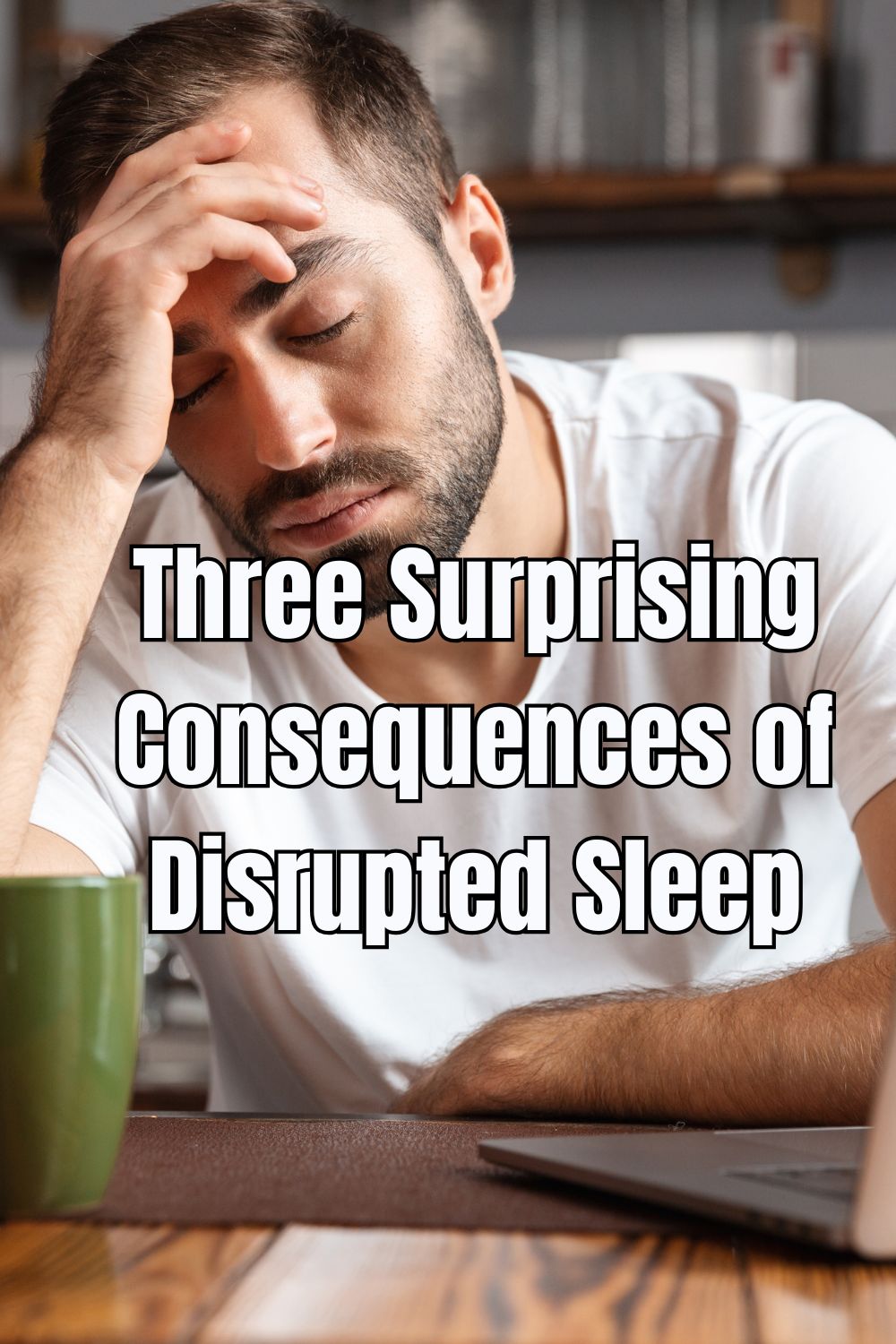
Three Surprising Consequences of Disrupted Sleep
Most people don’t think much about sleep. That is, until they stop getting enough of it. Maybe you stay up too late scrolling on your phone. Maybe you wake up a few times during the night. Or maybe you spend hours staring at the ceiling just trying to fall asleep. It happens.
But when poor sleep becomes part of your routine, it can affect a lot more than your mood the next day.
Sleep is, after all, how your body resets itself. Without it, things slowly start to feel… off. Mentally. Physically. Emotionally. So, it is best to be in-the-know. Here are three surprising ways disrupted sleep can impact your health over time.
- It Can Affect Your Brain More Than You Realize
Everyone feels a little foggy after a bad night’s sleep. You forget where you left your keys. You lose your train of thought. You struggle to focus at work. But ongoing sleep problems can – and will – have a much bigger impact on your brain health.
While you sleep, your brain is actually pretty busy. Surprising, right? It processes memories, clears out waste, and helps your mind recover from the day. When your sleep is constantly interrupted, your brain doesn’t get the opportunity to fully recharge.
That’s part of the reason people worry. Some even ask questions like “Is insomnia a symptom of dementia?” This is particularly the case when sleep issues and memory problems start happening together. Researchers are still learning more about this connection – but it is safe to say long-term poor sleep and cognitive decline are closely linked.
The good news is, even small changes help. A consistent bedtime. Less screen time at night. Cutting back on caffeine. All of this makes a noticeable difference.
- Your Heart Feels the Effects, Too
Sleep doesn’t just help your brain. It also gives your heart the chance to rest.
If you don’t get enough sleep, your body will stay in a stressed state. Blood pressure rises. Inflammation increases. Your heart works harder than it should. Over time, this raises the risk of serious problems – including heart disease, high blood pressure, and strokes.
What surprises many people is how common this actually is. One-third of adults is sleep-deprived. Chances are, they don’t realize the toll this takes on their health.
Sleep apnea is just one example. People with sleep apnea typically stop breathing briefly throughout the night – and they often don’t know about it. Loud snoring, waking up exhausted, and/or feeling tired no matter how long you sleep are all signs that something more serious is going on.
. Poor Sleep Can Weaken Your Immune System
Ever notice how you’re more likely to get sick after a few nights of bad sleep? That’s no coincidence.
Your immune system – like your brain and your heart – depends on sleep to function correctly. While you rest, your body produces the proteins and cells it needs to do its job. This include fighting off infections and recovering from stress. Your immune system is less effective when sleep is disrupted.
That leaves your poorly. You’ll feel run down more often. You might catch colds more easily. And it could take you longer to bounce back when you do fall ill.
To conclude, sleep is important. It’s that simple. It affects almost every part of your health. Sure, it’s easy to brush it off when life gets busy, but consistently getting good rest makes a huge difference in how you feel – both now and years in the future.
Leave A Reply!