Explore the skills modern educators need in today’s classrooms to engage students and adapt to a fast-paced learning environment.
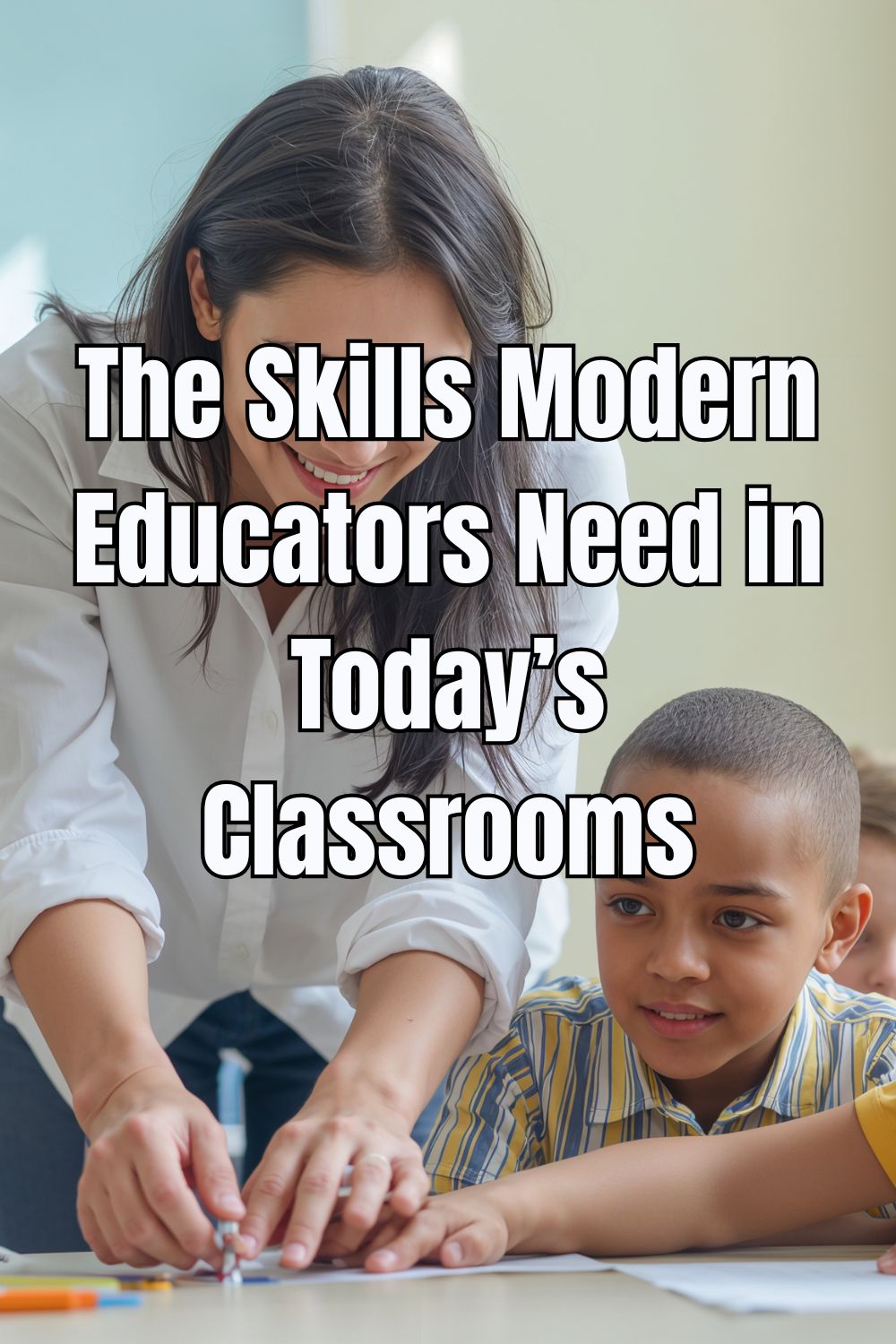
The Skills Modern Educators Need in Today’s Classrooms
A classroom can feel strangely quiet even when thirty students are present. Screens glow. Attention drifts. Questions are typed instead of spoken. Somewhere between lesson plans and changing expectations a new kind of teacher has been shaped. The chalk-and-talk era has slowly been replaced by a fast-moving, always-connected environment where flexibility is demanded every single day. A once-clear routine has been stretched into something more layered and people-centered.
Students are no longer impressed by information alone because information is everywhere. They respond to connection, timing and teaching that feels alive. A quick-to-adapt mindset is being valued as much as subject expertise. Teachers are being asked to guide discussion, calm anxieties and manage technology while learning standards continue to rise. How can anyone step into a modern classroom with methods from twenty years ago and expect the same results?
The role has changed quietly although the pressure has been impossible to ignore. Modern educators are being pushed toward skills that were rarely discussed in traditional teacher preparation. Some of those skills can be taught while others are developed through experience and reflection.
Teaching Beyond The Textbook
Strong educators are no longer measured only by how much content can be delivered. Students need lessons that feel relevant to their lives and attention spans that shift quickly must be managed with care. Information has to be translated into something engaging instead of simply being repeated from a textbook page.
Career growth is also being approached differently. Many teachers now pursue an accelerated online masters degree in education because classroom expectations continue to evolve at a pace that surprises even experienced professionals. Flexible learning opportunities are being chosen by working professionals who want updated methods without stepping away from their careers. That choice reflects something bigger than convenience. It shows that teaching itself has become a constantly developing profession.
Communication skills are also being tested daily. A teacher may explain one concept in four different ways before every student understands it. Patience must be shown even when frustration builds during long afternoons. Emotional awareness is often noticed more than academic authority because students respond strongly to teachers who genuinely listen.
For example a middle school teacher discussing climate science may connect the lesson to local weather patterns instead of relying only on textbook definitions. Another educator might turn a history lesson into a debate where students defend different viewpoints from a specific era. Those moments stay with students because participation feels natural rather than forced.
Technology Is Part Of The Job Now
Technology used to be treated like an extra classroom tool. Now it sits at the center of daily instruction in many schools. Assignments are submitted online. Parent communication is managed through apps. Lessons are supported by videos, digital quizzes and collaborative platforms that never fully switch off.
That shift has required teachers to become confident with digital systems even when training has been limited. Students notice hesitation quickly. A classroom can lose momentum within minutes if technical problems are not handled calmly. Teachers who adapt well are often those who stay curious instead of defensive.
Modern educators are expected to understand:
- Digital classroom platforms and grading systems
- Online safety practices for students
- Basic troubleshooting during lessons
- Video-based instruction methods
- Responsible technology use inside classrooms
None of these tasks existed at the same scale a generation ago. The modern teacher has almost become part educator and part coordinator of digital interaction. Does that sound exhausting? In many ways it is. Still many teachers continue finding creative ways to make technology serve learning rather than distract from it.
Emotional Intelligence Cannot Be Ignored
Academic performance is deeply connected to emotional well-being although this connection was often underestimated in older education systems. Students carry stress into classrooms every day. Family issues, social pressure and constant online exposure can shape behavior before the school day even begins.
Teachers are being expected to recognize emotional struggles without acting as therapists. That line can feel difficult to manage. A calm classroom atmosphere must be built through trust and consistency because students learn better when they feel respected.
Conflict resolution has become one of the most valuable teaching skills today. Disagreements between students can escalate quickly especially in environments influenced by social media tensions. Teachers who stay composed during conflict often create safer learning spaces without raising their voices constantly.
Creativity Still Matters More Than People Think
Standardized testing has pushed many classrooms toward strict academic structures although creativity continues to influence student engagement more than many systems acknowledge. Students remember teachers who make lessons feel human. Energy and originality leave a lasting impact.
Creative educators often build stronger participation because students become emotionally invested in what is being taught. A literature lesson can become more meaningful through role-play activities or student-led interpretation. Science experiments may feel more memorable when tied to everyday experiences rather than memorized definitions.
Creativity also supports literacy development in surprising ways. Interactive storytelling projects and discussion-based reading activities can help children develop a greater love of reading especially when students are allowed to connect books with their own interests. That emotional connection often shapes long-term learning habits more effectively than forced repetition.
Modern classrooms also benefit from teachers willing to experiment. Some lessons fail and adjustments must be made quickly. That process should not be viewed as weakness. In many cases it reflects commitment to improvement. Students respond positively when educators show flexibility rather than pretending every lesson is perfect.
A classroom filled with curiosity often begins with a teacher willing to think differently. That willingness can transform even ordinary lessons into memorable experiences.
The Best Teachers Keep Learning
The idea that education ends after teacher certification no longer fits modern classrooms. Expectations shift constantly because student needs, technology and teaching standards continue changing. Teachers who stop learning often struggle to connect with current classroom realities.
Professional development has become part of long-term success rather than a temporary requirement. Workshops, online certifications and peer collaboration all contribute to stronger instruction. Many schools now encourage mentoring systems where experienced educators share practical classroom strategies with newer teachers.
Adaptability has become one of the defining qualities of successful educators. Some classrooms include students from different cultural backgrounds while others include varying language abilities or learning challenges. A single teaching style rarely works for everyone. Flexibility must be practiced daily.
Students notice effort even when lessons are imperfect. They recognize teachers who genuinely care about improvement. Respect is earned through consistency, empathy and preparation rather than authority alone.
The modern educator carries far more responsibility than previous generations may realize. Teaching now stretches beyond academics into communication, emotional support and digital understanding. While those demands can feel intense they also create opportunities for meaningful impact. A teacher who listens carefully, adapts quickly and stays curious can shape c
Leave A Reply!