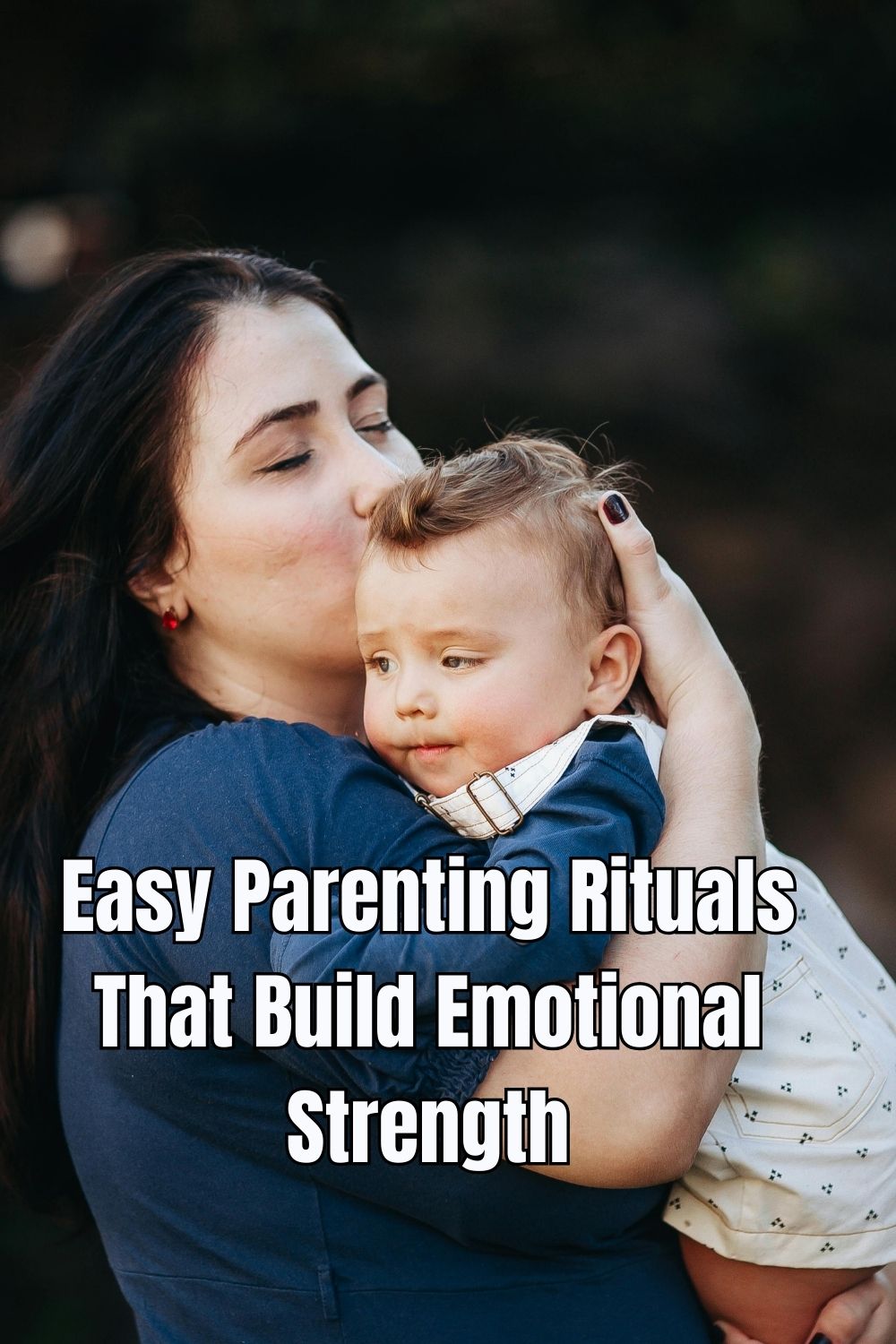
Easy Parenting Rituals That Build Emotional Strength
Many parents feel a constant pressure to organize grand vacations or expensive birthday parties to prove their love. However, child psychology tells us a different story. What children actually need to feel secure is predictability. They need to know that no matter how chaotic the outside world feels, their home life has a steady, reliable rhythm.
These small, repetitive actions are called rituals. Unlike a routine—which is just a task to be completed—a ritual is a moment of connection that builds a child’s emotional resilience from the ground up.
The Psychology of Predictability
At its core, a ritual is a message of safety. When a child knows exactly what to expect during certain parts of the day, their brain can relax. This lowers their levels of cortisol, the stress hormone, and strengthens their “secure attachment” to you. This attachment acts as a psychological safety net; when children feel safe at home, they are more willing to take risks and face challenges in the outside world.
Think of rituals as the “emotional glue” of the family. They transform ordinary moments into opportunities for connection.
Over time, these habits build a child’s internal sense of worth. They grow up knowing that they are worth your time and that their family is a stable team.
This isn’t just about making childhood “fun”—it is about giving them the emotional tools they will need as adults.
Morning Foundations: Starting the Day with Safety
The way a child starts their morning often sets the tone for their entire day. If the morning is a frantic rush of shouting and searching for shoes, the child enters school in a state of high alert. A “slow wake-up” ritual can change everything. Even five minutes of quiet cuddling or sitting together before the chaos begins tells the child’s nervous system that they are safe.
Many parents find that using daily affirmation—a simple “power phrase” like “I am kind, I am brave, and I am ready”—helps build a child’s confidence. If you are looking for more ways to structure these healthy habits, reading through Liven app reviews can show you how other families use digital tools to stay consistent with wellness and emotional tracking.
Finally, a specific goodbye ritual, such as a secret handshake or a “kiss in the palm,” can act as a bridge. It gives the child something physical to hold onto when they have to be away from you, easing the sting of separation anxiety.
After-School Reconnection: Closing the Gap
When children come home from school, they are often physically and emotionally exhausted. This is a common phenomenon called “after-school restraint collapse.” They have been working hard to be “good” and follow rules all day, and once they see you, they finally feel safe enough to let out their big feelings.
Instead of immediately asking about their grades or homework, try a “decompression buffer.” Give them a snack and some quiet space first. Once they have settled, you can use a ritual like the “High-Low-Buffalo” game at dinner.
Everyone shares the best part of their day (the High), the hardest part (the Low), and something weird or funny (the Buffalo). This simple habit teaches children that it is okay to talk about struggle, not just success.
It builds their problem-solving skills and reminds them that you are always there to listen to the “lows.”
Bedtime: The Emotional Reset
Bedtime is the most important window for emotional work. As the day ends, many children become more reflective—and more anxious. A “Daily Review” ritual helps them process their feelings so they don’t carry them into their dreams.
Ask them, “Is there anything you want to tell me about today before we close our eyes?” This gives them a safe space to offload worries.
Ending the night with a “gratitude loop” is a powerful way to rewire the brain for optimism. Simply asking, “What is one thing you are thankful for today?” shifts their focus away from what went wrong and toward what went right.
Combine this with a sensory wind-down—using dim lights, soft voices, and perhaps a weighted blanket—to signal to their body that the “work” of being a kid is over for the day.
Weekly Soul Food Rituals
Beyond the daily grind, weekly rituals give children something to look forward to. One of the most effective practices is “Special Time.” This is a 15-minute block once a week where the child is the boss. They choose the game, and you follow their lead without your phone or any distractions. In the world of psychology, this is called “child-led play,” and it is incredibly healing for the parent-child bond.
You might also consider a “Family Meeting” on Sunday evenings. This isn’t a time for lectures; it’s a time to ask, “How are we doing as a team?” It teaches children how to express their needs and resolve conflicts in a healthy way. Whether it’s a weekend walk in nature or a Friday night movie tradition, these rituals act as “soul food” that nourishes the family connection.
The Power of Showing Up
The beauty of rituals is that they don’t have to be perfect to work. In fact, trying to make them perfect often adds more stress. The key is consistency over intensity. If you manage to do these small things 80% of the time, you are doing a great job.
Emotional strength isn’t something children learn from a textbook; they catch it from the atmosphere of their home. By creating these easy daily and weekly habits, you are building a foundation of love and trust that will last a lifetime.
You are teaching them that they are seen, heard, and valued. In the end, it’s the small, quiet moments—not the big, loud ones—that truly define a child’s heart.
Leave A Reply!