Discover effective strategies for keeping kids active during summer camp activities and promoting a healthy lifestyle.
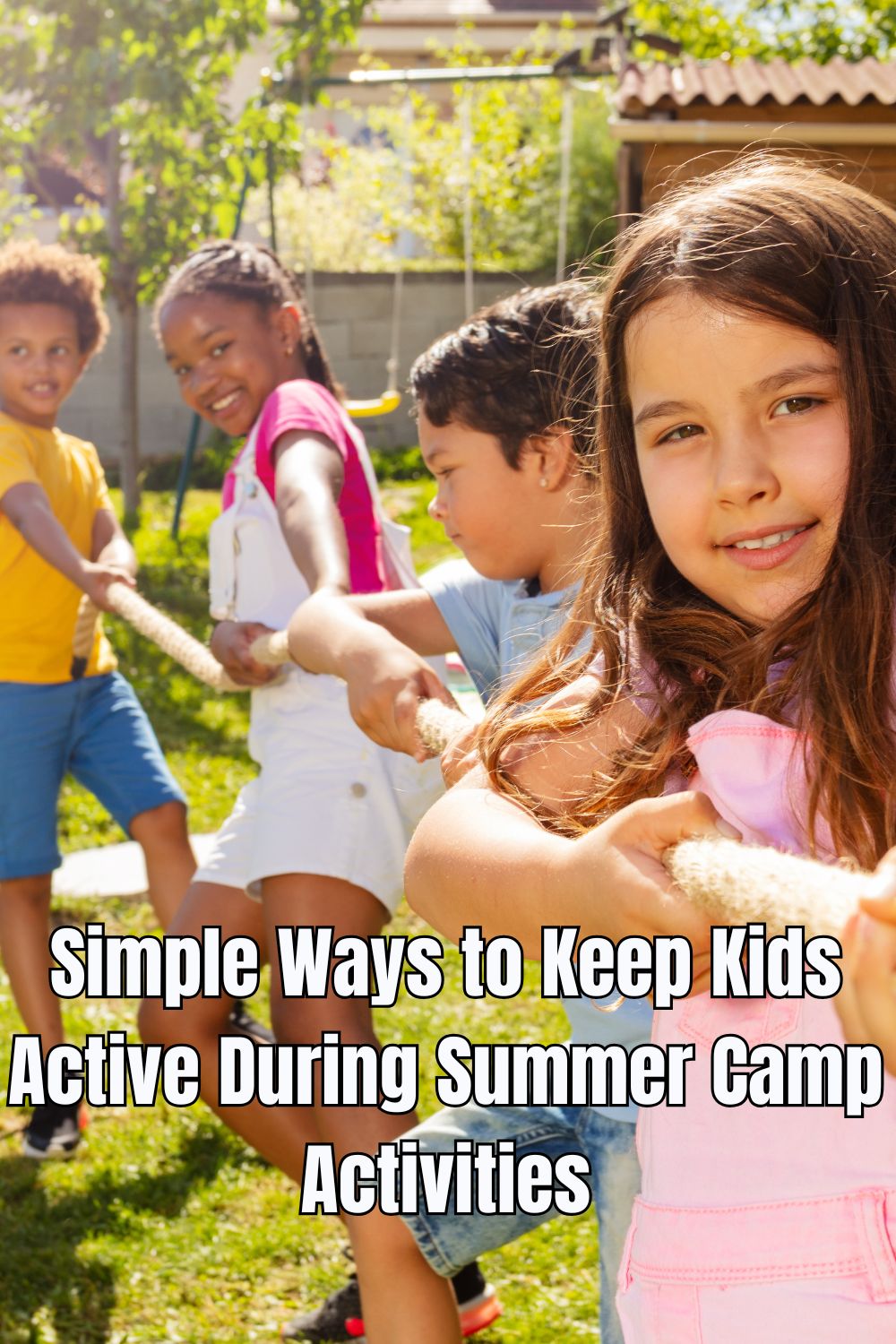
Simple Ways to Keep Kids Active During Summer Camp Activities
Summer camp enrollment across the United States reached 26 million children in 2023, according to the American Camp Association — yet research from the Physical Activity Council reveals that only 42% of kids maintain their school-year activity levels during summer break. As families increasingly recognize that three months of reduced structure can lead to significant drops in physical fitness, social skills, and even academic retention, the pressure on summer programs to deliver meaningful engagement has never been higher.
The stakes extend beyond keeping children busy. Extended periods of inactivity during summer correlate with measurable declines in cardiovascular health, increased screen time dependency, and what educators call “summer slide” — the loss of academic skills gained during the school year. For parents investing in summer camp experiences, and for camp directors designing programs, the challenge isn’t just filling hours but creating activities that genuinely contribute to child development.
What separates effective summer camp programming from mere supervision is intentional activity design that balances physical movement, creative expression, and social interaction. The most successful camps understand that keeping kids active goes far beyond traditional sports — it requires a thoughtful mix of outdoor adventures, weather-backup indoor options, and careful planning that accounts for different energy levels, interests, and developmental stages.
Why Keeping Kids Active Matters During Summer
The human body doesn’t pause its development during summer vacation, but children’s activity patterns certainly do. Physical fitness gains made during the school year through PE classes, recess, and after-school sports can deteriorate rapidly when kids shift into sedentary summer routines dominated by screens and unstructured indoor time.
Beyond the obvious physical benefits, consistent activity during summer serves as a crucial bridge for social and emotional development. Children who remain engaged in group activities maintain the collaborative skills they’ve built during the academic year while developing new ones through different types of challenges and team dynamics. Camp activities create natural opportunities for leadership, conflict resolution, and friendship formation — skills that transfer directly back to classroom success in the fall.
Cognitive function also depends heavily on physical activity. Research consistently shows that children who engage in regular physical movement demonstrate improved attention spans, better memory retention, and enhanced problem-solving abilities. During the long summer break, maintaining these cognitive benefits through active camp programming can significantly reduce the learning loss that typically occurs when academic engagement drops.
The variety inherent in well-designed camp activities addresses another critical need: skill diversification. Unlike school-based programs that often focus heavily on traditional sports or academic subjects, summer camps can introduce children to activities they might never encounter otherwise — from wilderness navigation to collaborative art projects to team-based problem-solving challenges. This exposure helps kids discover new interests and talents while building confidence through mastery of diverse skills.
Perhaps most importantly, active summer programming helps establish lifelong patterns of physical engagement. Children who experience the joy of movement through fun, low-pressure camp activities are more likely to seek out physical activity as teens and adults, creating a foundation for long-term health and well-being that extends far beyond any single summer.
Outdoor Summer Camp Activities That Encourage Movement and Learning
Adventure-based activities form the backbone of effective outdoor programming because they naturally combine physical challenges with problem-solving and teamwork. Obstacle courses using natural materials teach kids to assess risks, communicate with teammates, and push through mental barriers, while scavenger hunts require strategic thinking alongside physical exploration. These activities work particularly well because they’re infinitely adaptable — a simple nature hunt can become a complex team challenge by adding time limits, requiring group collaboration, or incorporating elements of stealth and strategy.
Water-based activities serve dual purposes during hot summer months: cooling kids down while providing excellent full-body exercise. Beyond traditional swimming, activities like water relay races, team water balloon construction challenges, and creek exploration combine refreshing relief with sustained physical activity. The key is designing these activities to require movement and cooperation rather than simply providing water access. For instance, a water-filling relay where teams must transport water using different containers teaches problem-solving while keeping everyone active and cool.
Nature exploration activities offer unique opportunities to combine learning with sustained moderate exercise. Guided hikes that include identification challenges, geocaching adventures using basic GPS skills, or collaborative fort-building projects keep kids moving while engaging their curiosity about the natural world. These activities work especially well for mixed-age groups because younger children can contribute meaningfully while older kids take on leadership roles.
Traditional games with educational twists provide familiar structure while adding learning elements that keep kids cognitively engaged. Capture the flag becomes more complex when teams must solve riddles to gain advantages, while relay races can incorporate math problems, vocabulary challenges, or science demonstrations at each station. This approach maintains the high-energy appeal of classic camp games while adding educational value that parents and educators appreciate.
The most effective outdoor activities share common characteristics: they require sustained movement over extended periods, create natural opportunities for teamwork and leadership, and can be modified quickly based on weather, energy levels, or group dynamics. Activities that include fun activities for kids in NJ often incorporate local natural features and regional outdoor traditions, making the experience both active and culturally relevant.
Indoor Activities That Keep Kids Creative and Energetic
When weather forces programming indoors, movement-based creative projects become essential for maintaining energy and engagement. Dance choreography sessions where kids work in teams to create and perform routines provide excellent cardiovascular exercise while building confidence and artistic expression. Similarly, drama activities that require physical movement — like charades tournaments, improvisation games, or collaborative storytelling with action elements — keep kids active while developing creativity and communication skills.
Construction and building challenges offer surprisingly physical engagement when designed properly. Large-scale collaborative projects using cardboard, tape, and recyclable materials require kids to move constantly while problem-solving and negotiating design decisions with teammates. Activities like building life-sized board games, constructing marble runs, or creating wearable costumes demand sustained physical effort alongside creative thinking.
Active learning stations transform traditional crafts and educational activities into movement-based experiences. Instead of seated art projects, kids rotate through stations that might include standing easel painting, collaborative mural work, or kinetic sculpture creation. Science experiments become more engaging when they require physical participation — building and testing catapults, creating chemical reactions that produce movement, or conducting experiments that require measurement and data collection throughout the space.
Indoor games with strategic complexity maintain high energy while challenging kids mentally. Tournament-style activities like indoor bowling using recyclable materials, team-based puzzle competitions with physical challenges between rounds, or collaborative escape room scenarios keep kids moving while requiring sustained focus and cooperation. These activities work particularly well because they can be extended or compressed based on available time and can accommodate different skill levels within the same group.
The key to successful indoor programming lies in maintaining the energy and social interaction that outdoor activities naturally provide. Indoor activities must create movement, require collaboration, and offer the same sense of adventure and discovery that kids expect from outdoor camp experiences, just within different physical constraints.
How to Plan Summer Camp Activities for Balanced Engagement
Energy management forms the foundation of effective activity planning, requiring careful attention to the natural rhythms of children throughout the day. High-energy activities work best in the morning when kids arrive fresh and excited, while mid-afternoon calls for more moderate activities that maintain engagement without overwhelming tired minds and bodies. The most successful camps plan their days in waves — starting with moderate warm-up activities, building to high-energy challenges, then tapering to quieter team-building or creative pursuits.
Interest diversity ensures that every child finds activities that resonate with their personality and abilities. Effective planning includes a mix of competitive and collaborative activities, individual challenges and group projects, creative expression and physical challenges. This variety prevents any child from feeling consistently unsuccessful while giving everyone opportunities to lead and contribute meaningfully to group experiences.
Inclusivity considerations require thinking beyond just ability levels to encompass different comfort zones, cultural backgrounds, and social preferences. Activities should offer multiple ways to participate successfully — leadership roles for natural organizers, behind-the-scenes contributions for quieter kids, and physical challenges that can be modified without singling anyone out. The best camps create environments where helping teammates succeed is valued as highly as individual achievement.
Transition planning often determines whether activities succeed or create chaos. Successful camps build buffer time between activities, establish clear signals for transitions, and design activities that can be extended or shortened based on group engagement. Having backup plans for weather changes, equipment failures, or unexpected group dynamics ensures that the day flows smoothly regardless of circumstances.
Equipment and space optimization involves maximizing engagement while minimizing setup and breakdown time. Activities that use versatile, multi-purpose materials allow for quick pivots when group energy or interest shifts. Similarly, designing activities that can work in multiple locations provides flexibility when sharing spaces or adapting to weather changes. The most efficient camps choose activities that require minimal specialized equipment while still providing rich, engaging experiences.
Safety and Team-Building Within Summer Camp Activities
Proactive safety integration means embedding safety awareness into activities rather than treating it as separate rules to follow. Activities that naturally teach risk assessment — like obstacle courses where kids must evaluate each challenge before attempting it — build safety consciousness while maintaining excitement and engagement. This approach helps children develop judgment and responsibility rather than simply following adult-imposed restrictions.
Leadership development emerges organically from well-designed activities when kids are given meaningful opportunities to guide, support, and teach each other. Rotating leadership roles within team challenges, peer teaching opportunities, and collaborative problem-solving scenarios allow every child to experience both leading and following. Activities work best when leadership feels natural and necessary rather than artificially imposed.
Conflict resolution skills develop through activities that require negotiation, compromise, and shared decision-making. Team challenges that have multiple possible solutions, collaborative creative projects, and group problem-solving scenarios create natural opportunities for kids to practice working through disagreements constructively. The key is designing activities where conflict is likely to arise but where resolution leads to better outcomes for everyone.
Social skill reinforcement happens most effectively through activities that require genuine cooperation and communication. Unlike forced team-building exercises, activities that create authentic needs for collaboration — projects that genuinely require different skills, challenges that benefit from diverse perspectives, or competitions where team strategy matters more than individual talent — help kids develop real relationship skills.
Emotional regulation practice occurs naturally in activities that include both success and manageable challenges. Well-designed camp activities help kids experience the full range of emotions — excitement, frustration, pride, disappointment — within supportive group contexts where they can learn healthy responses and coping strategies.
The most effective summer camp activities create environments where physical activity, creativity, and social development happen simultaneously. When kids are genuinely engaged in meaningful challenges alongside their peers, the benefits extend far beyond the immediate fun — they’re building physical habits, social skills, and emotional resilience that will serve them long after summer ends. As you consider summer options for the children in your life, look for programs that understand this integration and design their days accordingly.
Leave A Reply!