Discover how to plan a dream culinary escape filled with exciting flavors and unforgettable dining experiences.
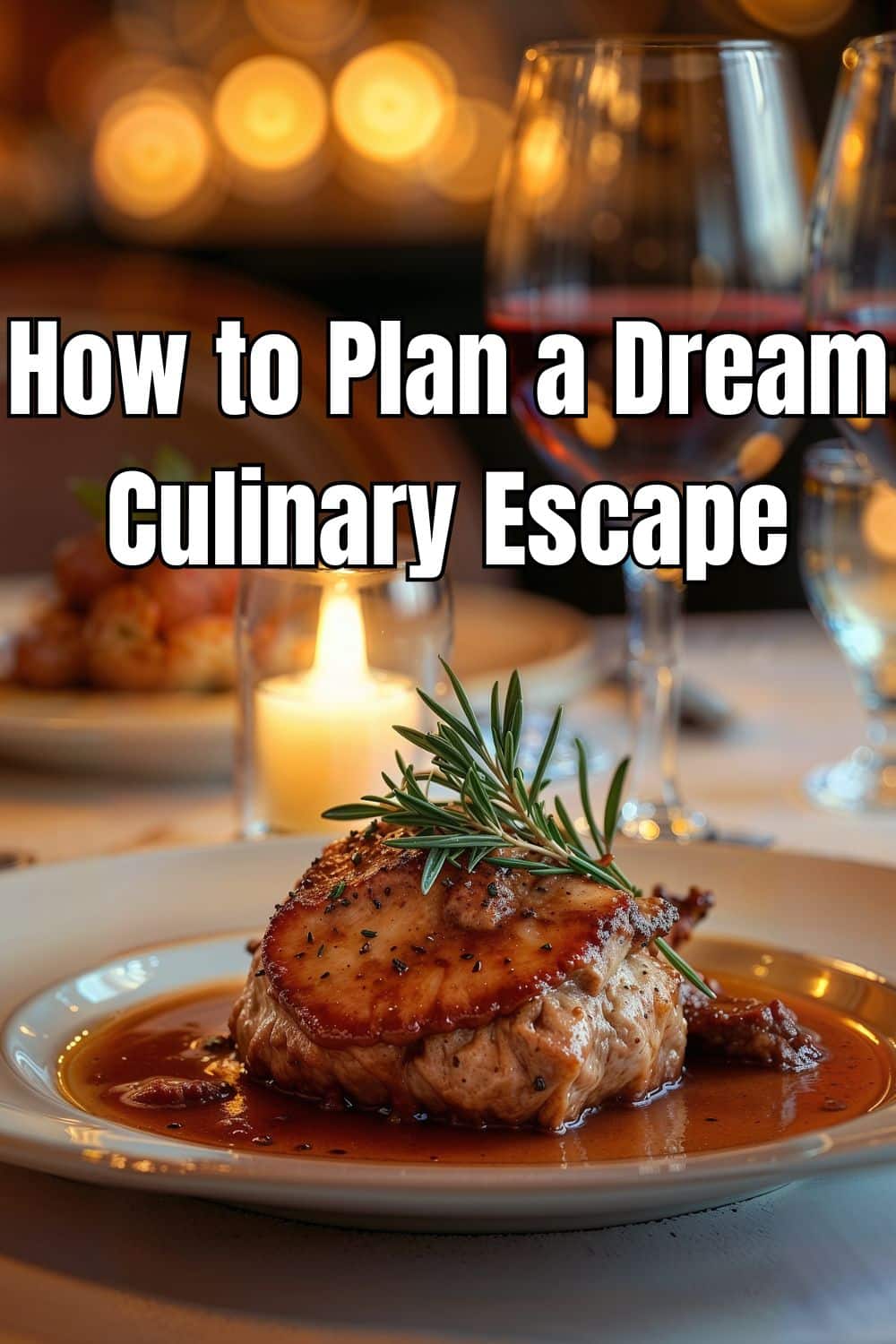
How to Plan a Dream Culinary Escape
Define Your Culinary Interests
Before you even think about booking a flight, take some time to figure out what kind of food really gets you excited. Your ideal food adventure is personal, so start by asking yourself what experiences you’re really craving. Are you dreaming of fancy Michelin-starred restaurants with elaborate tasting menus, or are you more into hunting down the best street food a city has to offer?
Think about the activities you enjoy most. Maybe you want to learn something new with a hands-on cooking class, explore farms where local ingredients grow, or just wander through busy markets. Listing out your interests can help you narrow down possible destinations. For some, the goal might be pursuing culinary dreams by mastering a specific cuisine, while for others, it’s all about pure enjoyment and discovery.
Ask yourself these questions to get your ideas flowing:
- Do I like sweet or savory more?
- Am I into fine dining or more casual spots?
- Do I want to cook, or just eat?
- Am I curious about drinks like wine, coffee, or tea?
- How comfortable am I trying adventurous or unfamiliar foods?
Answering these will help you build a trip that truly satisfies your hunger for both food and adventure.
Research Local Food Traditions
Once you have a destination in mind, it’s time to dive into its food scene. Look beyond the usual tourist traps to discover the real dishes and traditions that make the region special. This research is actually part of the fun and builds excitement for your trip. Start by checking out food blogs written by locals, watching travel shows about your destination, and reading articles about its unique food history.
Finding foodways, which is how food, culture, and history all connect, will make your experience so much richer. Learn about the signature dishes, traditional cooking methods, and the stories behind certain ingredients. For example, knowing why seafood is so important in coastal Portuguese cooking or how history shaped the spices in a Moroccan tagine makes every meal more meaningful.
Look for details on:
- Regional specialties: What foods is this area famous for?
- Mealtimes and etiquette: When do locals usually eat their main meal? Are there any dining customs you should know about?
- Seasonal ingredients: What produce is in season when you visit? This will help you find the freshest, tastiest food.
- Local markets: Where do people in the area buy their groceries? Farmers markets are amazing places to see local life and try fresh products.
Consider Guided Food Experiences
While exploring on your own is great, a guided food experience can give you amazing access and insights. Local guides have the inside scoop on hidden gems you’d probably never find by yourself. They can help with language barriers, explain the history of dishes, and introduce you to the artisans and chefs who are the heart of the local food scene. These experiences take the stress out of finding authentic, high-quality food.
You can choose from many types of guided activities. A market tour can help you understand local ingredients, while a street food tour is a fantastic way to safely sample lots of cheap and delicious eats. Cooking classes offer a hands-on chance to bring a piece of the culture home with you. For instance, a guided wine tasting tour in Tuscany can introduce you to family-run vineyards and local food pairings you’d never discover alone. These planned experiences are designed to really immerse you in your destination’s food world.
When picking a tour, look for small group sizes for a more personal feel, and check reviews to make sure the guides are knowledgeable and passionate. A great guide doesn’t just show you where to eat; they tell you the story behind the food.
Budgeting for Flavorful Adventures
A food-focused trip needs a dedicated food budget. The cost of eating can change a lot from one place to another, and even within the same city. Planning your money ahead of time means you can indulge without any stress. Start by looking up the general cost of food in your chosen destination. A good way to approach budgeting for your trip is to set a daily food allowance.
Your budget should be flexible enough for different kinds of dining. You might want to save up for one or two special meals at a famous restaurant, while balancing that out with inexpensive but tasty street food or market lunches on other days. Don’t forget to include the cost of guided tours, cooking classes, or other ticketed food events.
Here are some tips for managing your food budget:
- Mix it up: Plan for a variety of high-end meals, budget-friendly street food, and even a few meals made with ingredients from a local market if you have a kitchen.
- Eat a big lunch: In many countries, lunch is the main meal, and restaurants often have lunch specials that are a great deal.
- Check out the grocery store: Visiting a local supermarket is an experience in itself. You can grab snacks, drinks, and simple breakfast items to save money.
- Look for cash-only spots: Some of the best and most authentic food stalls and small eateries don’t take credit cards, so be sure to carry some local cash.
Packing for a Delicious Journey
Packing for a food trip means thinking about more than just clothes. A few extra items in your suitcase can make your food adventures more comfortable and memorable. First off, think about what you’ll wear. Bring comfy walking shoes for exploring markets and neighborhoods on foot. Pack clothes that are comfortable to sit in for long meals, and consider fabrics with a little stretch. Most of your outfits can be casual, but check if any restaurants on your list have a dress code.
Beyond clothing, a few key items can really improve your trip. A reusable water bottle is a must for staying hydrated. A small notebook and pen are perfect for jotting down the names of amazing dishes or restaurants you stumble upon. If you plan to bring home edible souvenirs like olive oil, spices, or wine, pack some bubble wrap or protective sleeves to keep them safe in your luggage. Knowing what to pack for a food vacation helps you prepare for anything.
Finally, leave some extra room in your suitcase. Whether it’s a unique kitchen gadget from a local shop, a bottle of regional hot sauce, or a cookbook, you’ll be glad to have space to bring a tangible piece of your food journey home.
A trip planned around food is an invitation to slow down and really enjoy the world, one bite at a time. With a little research and preparation, you can create a delicious itinerary that satisfies your curiosity and leaves you with a full stomach and a happy heart.
Leave A Reply!