Discover effective tips on balancing green and brown materials in compost to improve soil health and plant growth.
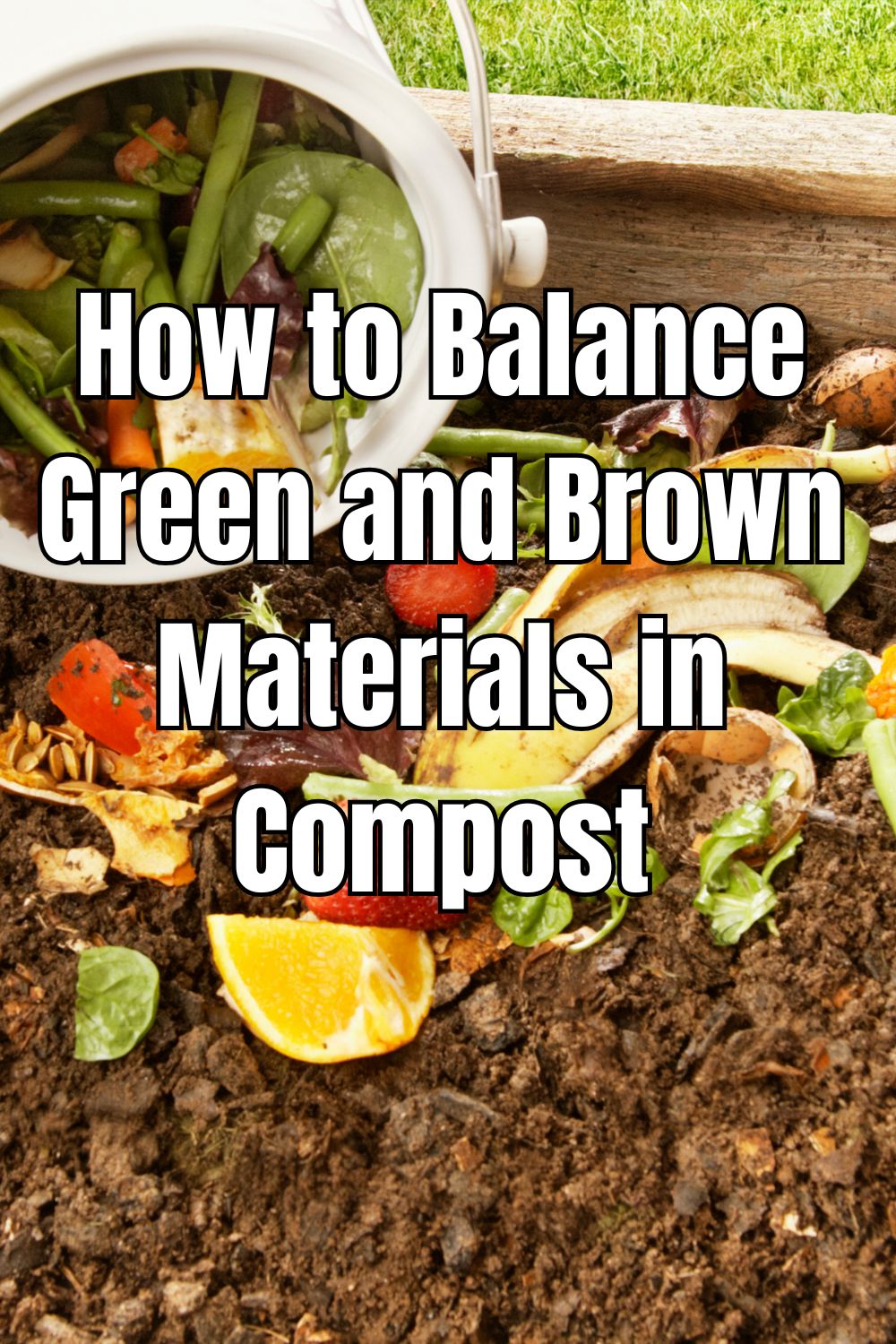
How to Balance Green and Brown Materials in Compost
Composting is a practical and sustainable way to cut down on household waste while improving the quality of your garden soil. By transforming everyday organic scraps into valuable nutrients, it supports healthier plant growth and reduces environmental impact.
A successful compost system relies on maintaining the right balance between “green” and “brown” materials, which directly affects the quality of soils and composts produced. For Australian gardeners working across a range of climates from humid coastal zones to arid inland regions, understanding and managing this balance is key to promoting efficient decomposition and creating nutrient-rich compost.
Understanding Green and Brown Materials
In composting, “green” materials are nitrogen-rich components that provide protein for microorganisms. Common examples include kitchen scraps such as fruit and vegetable peelings, coffee grounds, and fresh grass clippings.
“Brown” materials, on the other hand, are carbon-rich and provide energy for those same microorganisms. These include dry leaves, straw, cardboard, shredded paper, and small branches.
A successful compost system relies on the interaction between these two categories. Too much green material can result in a smelly, slimy pile, while too many browns will slow decomposition significantly.
The Ideal Compost Ratio
For optimal composting, aim for a carbon-to-nitrogen ratio of roughly 25–30 parts carbon (brown materials) to 1 part nitrogen (green materials). In practical terms, this translates to approximately:
- 2–3 parts brown materials
- 1 part green materials
This balance ensures your compost remains aerated, decomposes efficiently, and avoids unpleasant odours.
Layering for Success
A simple way to maintain balance is through layering. Start with a base of coarse brown materials like twigs or straw to improve airflow. Then alternate layers of greens and browns:
- Add a layer of green waste (e.g., kitchen scraps)
- Cover with a thicker layer of browns (e.g., dry leaves or shredded cardboard)
- Repeat the process
This method helps regulate moisture and prevents compaction, which is particularly important in Australia’s warmer climates where compost can quickly become anaerobic.
Managing Moisture and Airflow
Your compost should feel like a damp sponge—not too wet and not too dry. In hotter regions such as Western Australia or inland Queensland, compost piles can dry out quickly, so occasional watering may be necessary.
Conversely, in wetter areas like coastal New South Wales, excess moisture can be an issue. Adding more brown materials helps absorb water and maintain balance.
Turning your compost regularly (every 1–2 weeks) introduces oxygen, accelerates decomposition, and ensures even breakdown of materials.
Common Mistakes to Avoid
- Overloading with grass clippings: Fresh lawn clippings are high in nitrogen and can compact easily. Always mix them with dry browns.
- Ignoring particle size: Smaller pieces break down faster. Shred leaves and chop kitchen scraps where possible.
- Adding unsuitable items: Avoid meat, dairy, and oily foods, which can attract pests and disrupt the composting process.
Seasonal Considerations in Australia
Australian seasons can influence composting practices. In summer, decomposition is faster due to heat, but moisture must be monitored. In winter, composting slows, so maintaining the correct ratio and turning less frequently is recommended.
Final Thoughts
Balancing green and brown materials is the foundation of successful composting. With the right ratio, proper layering, and attention to moisture, you can create nutrient-rich compost that supports a thriving garden year-round.
By adopting these practices, Australian households can reduce landfill waste while improving soil health—an outcome that benefits both your garden and the environment.
Leave A Reply!