Learn how to maximize your investment during a bathroom remodel and avoid costly mistakes with smart planning strategies.
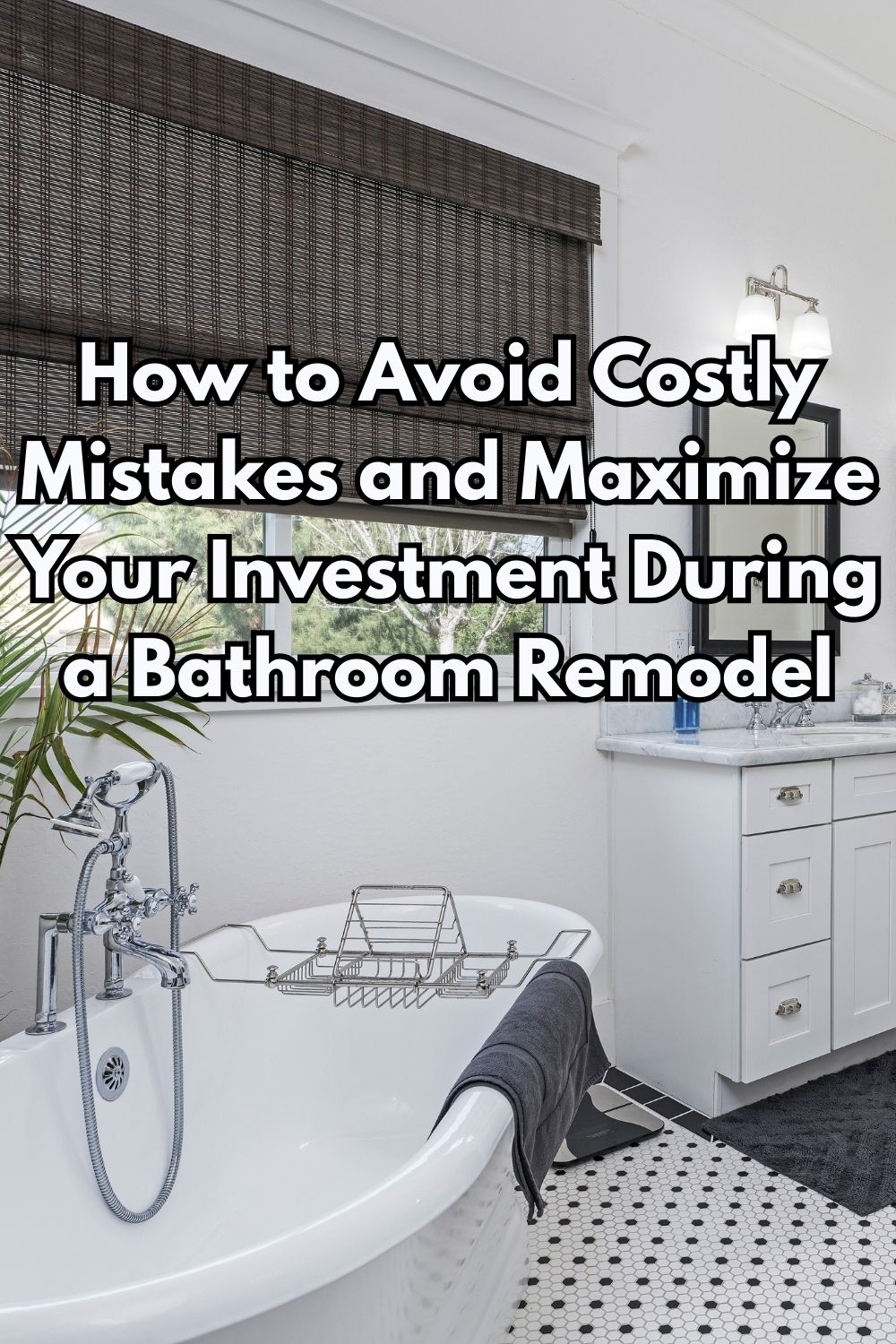
How to Avoid Costly Mistakes and Maximize Your Investment During a Bathroom Remodel
A bathroom remodel can transform your home and add significant value to your property. However, without proper planning and knowledge, what starts as an exciting renovation can quickly become a financial nightmare. Understanding how to navigate the bathroom remodeling process while avoiding common pitfalls will help you create the space of your dreams without breaking the bank.
Start with a Realistic Budget and Stick to It
The foundation of any successful bathroom remodeling project begins with establishing a realistic budget. Many homeowners underestimate costs by 20-30%, leading to financial stress and compromised results. Research average costs in your area and add a 15-20% contingency buffer for unexpected issues like hidden water damage or outdated plumbing that needs updating.
When setting your budget, consider the current value of your home. A good rule of thumb is to spend no more than 5-10% of your home’s value on a bathroom remodel. This ensures you won’t over-improve for your neighborhood while still creating a space that adds meaningful value to your property.
Plan Your Layout Carefully Before Making Changes
Moving plumbing fixtures like toilets, sinks, and showers dramatically increases costs. Keeping your existing layout whenever possible can save thousands of dollars in plumbing and electrical work. If you must relocate fixtures, understand that moving a toilet requires rerouting the main drain line, which can cost several thousand dollars alone.
Focus on maximizing your current layout’s potential through better storage solutions, improved lighting, and updated finishes. Sometimes a fresh coat of paint, new vanity, and modern fixtures can completely transform a space without the expense of major structural changes.
Choose Quality Materials That Match Your Budget
The materials you select will significantly impact both your immediate costs and long-term satisfaction. Avoid the temptation to choose the cheapest options, as they often lead to premature replacement and additional expenses. Instead, prioritize spending on elements that affect daily function and durability.
Invest in quality plumbing fixtures, as these are expensive to replace later. For areas where you can save money, consider ceramic tile that mimics expensive stone or laminate countertops that look like quartz. Many manufacturers now offer beautiful, affordable alternatives that provide the look you want without the premium price.
Hire the Right Professionals for Your Project
While DIY enthusiasm is admirable, bathroom remodeling involves complex plumbing, electrical, and waterproofing work that requires professional expertise. Hiring unqualified contractors or attempting complex work yourself often results in costly repairs and safety hazards.
Research contractors thoroughly by checking licenses, insurance, and references from recent projects. Get detailed written estimates from at least three professionals and be wary of bids that seem unusually low. Quality work costs money, and extremely low bids often indicate corners will be cut or unexpected charges will appear later.
Don’t Overlook Proper Ventilation and Waterproofing
Two of the most expensive mistakes in bathroom remodeling involve inadequate ventilation and poor waterproofing. Insufficient ventilation leads to moisture problems, mold growth, and damaged finishes. Invest in a quality exhaust fan sized appropriately for your bathroom and ensure it vents outside, not into the attic.
Proper waterproofing behind showers and tubs is critical but often skipped to save money. This penny-wise, pound-foolish approach can lead to thousands of dollars in water damage repairs. Ensure your contractor uses proper waterproof membranes and follows manufacturer installation guidelines precisely.
Time Your Project Strategically
The timing of your bathroom remodeling project affects both cost and convenience. Avoid peak seasons like spring and early summer when contractors are busiest and prices are highest. Fall and winter often offer better pricing and contractor availability, though you’ll need to plan around holidays.
Consider your household’s needs when scheduling work. If you only have one bathroom, plan for temporary solutions or consider staying elsewhere during critical phases. Rushing a project to minimize inconvenience often leads to poor decisions and increased costs.
Focus on Universal Design Elements
Incorporating universal design elements during your bathroom remodeling project adds value and functionality for users of all ages and abilities. Features like comfort-height toilets, grab bars, and barrier-free showers appeal to a broad range of potential buyers and make your home more accessible as you age.
These elements don’t need to compromise style. Modern grab bars come in attractive finishes that complement your design, and comfort-height fixtures are now standard in many homes. Planning for accessibility from the beginning costs less than retrofitting later.
Avoid Trendy Elements That Quickly Date Your Space
While it’s tempting to embrace the latest design trends, remember that bathroom remodeling is a significant investment you’ll live with for many years. Extremely trendy colors, patterns, or fixtures may look dated within a few years, requiring another expensive update.
Choose classic, timeless elements for major components like tile and fixtures, then add personality through easily changeable accessories like towels, artwork, and hardware. This approach ensures your investment remains stylish and valuable for years to come.
Plan for Adequate Storage and Lighting
Insufficient storage and poor lighting are two of the most common regrets after bathroom remodeling. Plan storage solutions that accommodate your actual needs, not just what looks good in magazines. Consider items you use daily and ensure they have designated, accessible places.
Lighting should include both ambient and task lighting. A single overhead fixture rarely provides adequate illumination for grooming tasks. Include vanity lighting at face level and consider natural light opportunities through windows or skylights.
Conclusion
Successful bathroom remodeling requires careful planning, realistic budgeting, and attention to both immediate needs and long-term value. By avoiding common mistakes like inadequate planning, poor material choices, and hiring unqualified contractors, you can create a beautiful, functional space that enhances your daily life and adds value to your home. Remember that a well-executed bathroom remodel is an investment in both your comfort and your property’s future marketability.
Leave A Reply!