Explore how play-based classrooms strengthen social skills in Palmetto Bay for better learning and cooperation among children.
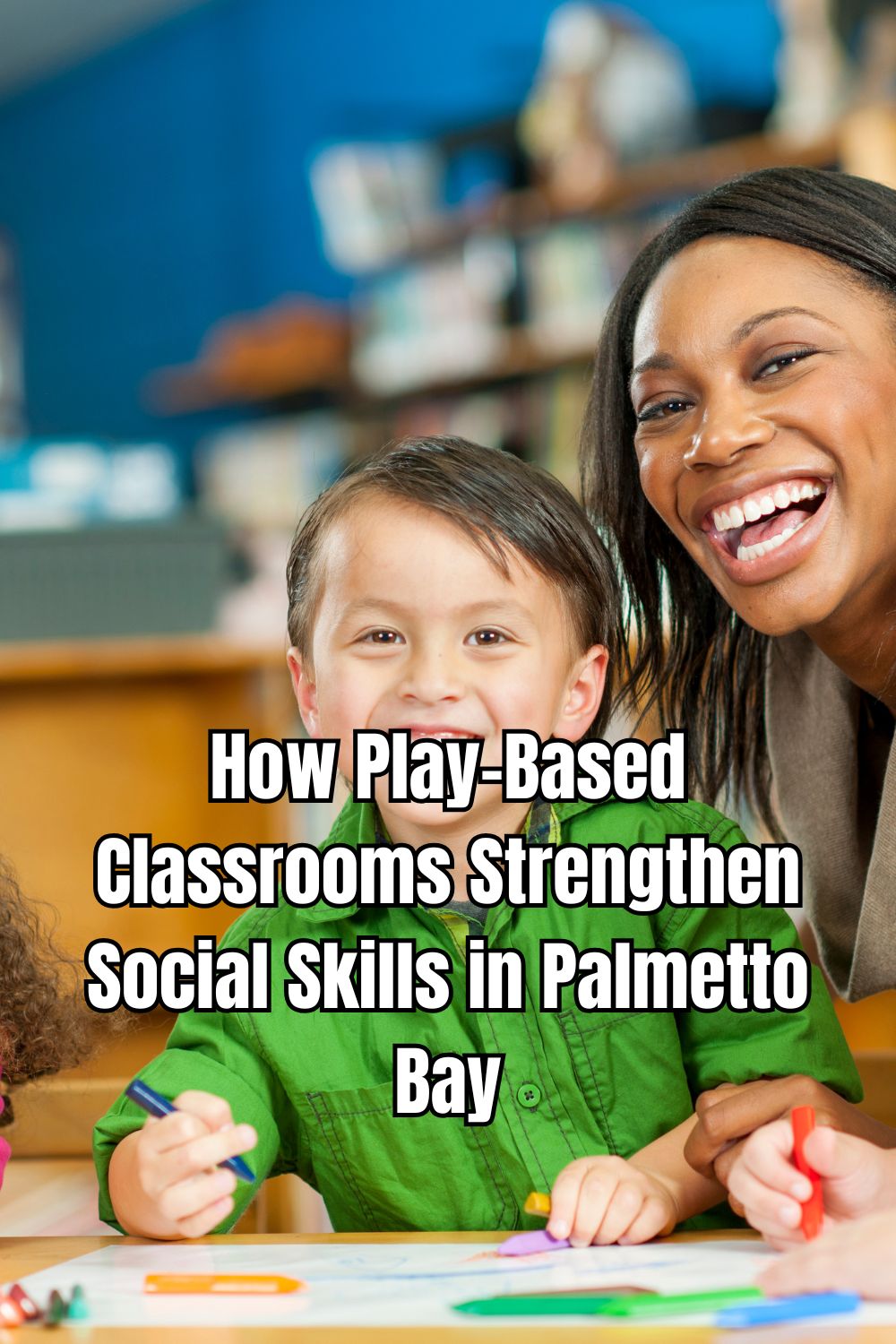
How Play-Based Classrooms Strengthen Social Skills in Palmetto Bay
Early childhood classrooms are evolving to reflect what decades of developmental research have confirmed: children learn best through play. In Palmetto Bay, many early learning centers are embracing this shift, creating environments where curiosity and collaboration thrive. Parents seeking a balanced approach to early education are discovering that play is more than just fun; it’s a foundation for lifelong social and emotional growth.
Understanding the Role of Play in Early Learning
Play-based classrooms transform learning from a passive experience into an active process. Through imaginative activities, games, and collaborative problem-solving, children develop the ability to interpret social cues, manage their movements, and communicate their ideas effectively. Educators in Palmetto Bay recognize that structured lessons alone cannot cultivate these interpersonal abilities. Instead, daily routines now integrate hands-on experiences that foster empathy and cooperation among young learners.
Parents who visit a KLA School in Palmetto Bay quickly notice how this philosophy is put into practice in real time. Teachers act as facilitators rather than directors, guiding children through play scenarios that promote interaction and teamwork. A group building a block tower, for instance, learns negotiation, patience, and shared responsibility. Skills are essential not only in the classroom but also in future relationships.
Collaborative Learning Builds Communication Skills
When children engage in collaborative play, they practice essential communication behaviors. They take turns speaking, listen to peers, and find ways to express disagreement respectfully. This natural exchange of ideas fosters confidence and helps children understand how language can be used to resolve conflicts or express emotions.
In Palmetto Bay’s play-based environments, storytelling corners, dramatic play areas, and small-group projects are key components. These spaces allow children to role-play real-life situations, such as ordering food at a pretend café or caring for dolls in a toy clinic, which helps teach empathy and perspective-taking. Over time, children learn to interpret body language, tone, and emotional signals more accurately. These experiences foster a deeper understanding of others’ feelings, laying the foundation for emotional intelligence.
Problem-Solving Through Play Promotes Cooperation
Social growth relies on learning how to navigate challenges. Play provides daily opportunities for this type of discovery. When conflicts arise during shared activities, such as deciding who goes first, dividing materials, or determining which rules to follow, children experiment with solutions in a safe and supportive environment. Educators observe and guide these moments to reinforce fair decision-making and compromise.
Children in Palmetto Bay classrooms often work together on creative tasks such as building model cities or designing art installations. These group efforts foster dialogue and shared planning, enabling every participant to contribute their ideas and insights. Over time, children develop patience and resilience, essential social traits that extend into later academic and personal relationships.
The Emotional Benefits of Playful Learning
Social competence grows alongside emotional regulation. Through imaginative play, children act out scenarios that help them understand complex emotions, such as frustration, joy, or disappointment. Pretending to comfort a sad puppet or celebrating a friend’s pretend birthday strengthens emotional vocabulary and empathy.
Teachers who use play-based strategies ensure that every child feels included and valued. They model how to handle emotions with kindness and respect. This approach fosters a sense of belonging, which research has shown to enhance motivation and classroom participation. When children feel emotionally secure, they are more likely to take social risks, such as making new friends, initiating conversations, and collaborating more effectively.
Encouraging Independence While Building Community
Another advantage of play-based classrooms is that they strike a balance between independence and teamwork. Children choose activities that interest them, fostering autonomy and decision-making. At the same time, they share materials, ask for help, and offer assistance to peers. These experiences teach us responsibility toward others and demonstrate that individual actions have a ripple effect on the larger group.
Families who visit KLA School in Palmetto Bay frequently comment on the calm and engaged atmosphere of the classrooms. Children are not passively receiving instructions; they are actively constructing understanding through exploration. Each play zone, from science corners to outdoor discovery areas, becomes a micro-community where communication, negotiation, and problem-solving are practiced daily.
How Parents Can Support Play-Based Social Learning at Home
Parents play a vital role in reinforcing these classroom lessons. At home, allowing unstructured playtime encourages creativity and confidence. Simple activities, such as playing board games, pretending to cook, or building forts, help children apply social strategies they have learned in school.
Engaging in joint play also allows parents to model respectful communication and patience. Asking open-ended questions, such as “What should we build next?” or “How can we make this fair for everyone?”, guides children toward empathy and cooperation.
Creating the Foundations for Lifelong Connection
Play-based learning offers more than entertainment; it lays the groundwork for meaningful human connection. Children who grow up in environments that value curiosity, teamwork, and emotional awareness are better prepared to navigate the complexities of social life. In Palmetto Bay, early learning programs that embrace this approach help young students build the confidence and communication skills they’ll carry into every stage of education and beyond.
Leave A Reply!