Uncover essential tips for finding a wedding venue that reflects your unique love story amidst the planning challenges.
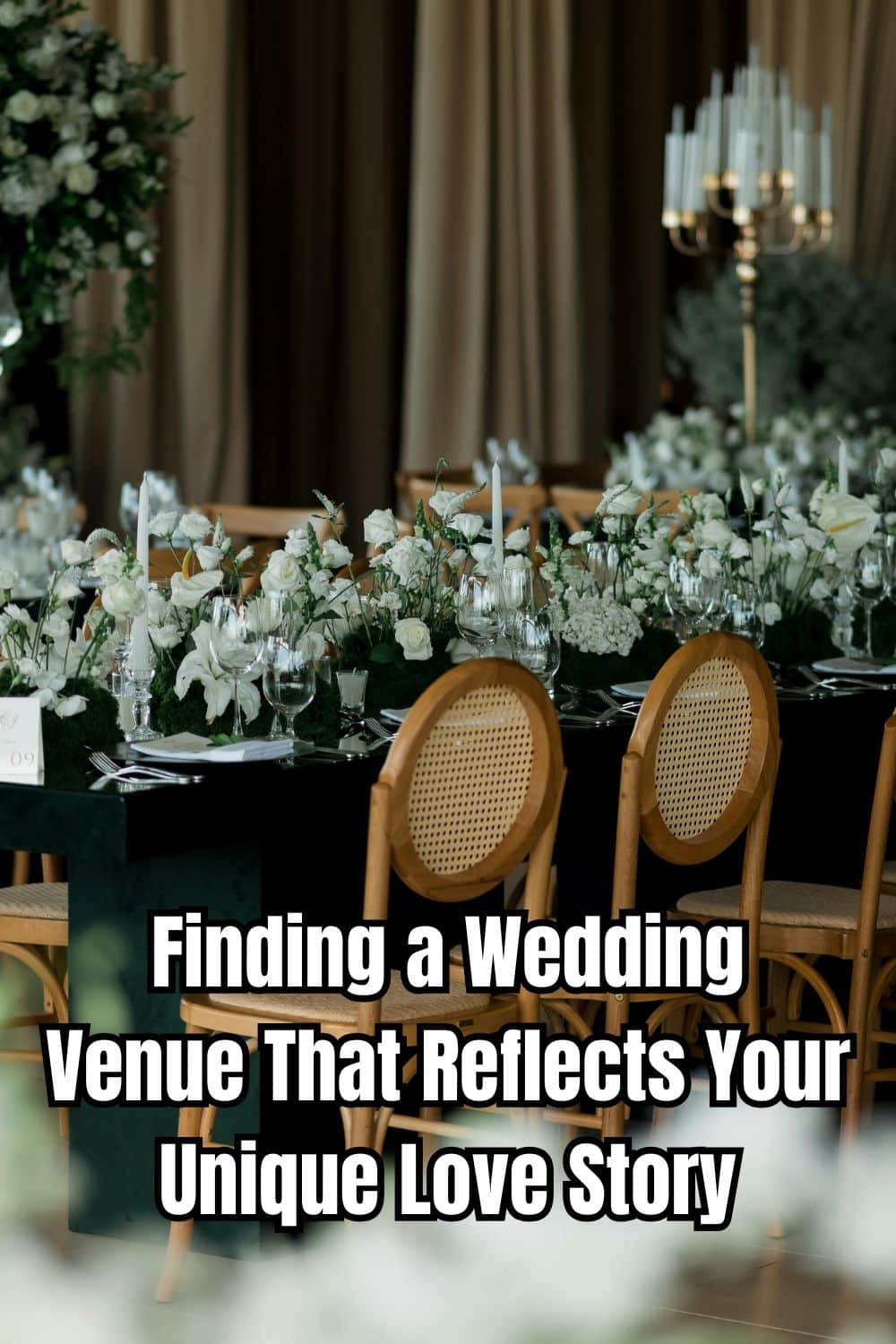
Finding a Wedding Venue That Reflects Your Unique Love Story
Nearly 30% of couples report that finding their wedding venue was the most stressful part of their entire wedding planning process, according to The Knot’s 2024 Real Weddings Study. With venue costs now averaging $11,200—representing roughly 40% of total wedding budgets—and prime locations booking 18-24 months in advance, the stakes have never been higher. What makes this even more challenging is that most couples are making this significant decision with limited experience, often visiting fewer than five venues before making their choice.
The wedding industry has fundamentally shifted in recent years. Post-pandemic preferences have driven demand for outdoor and micro-wedding venues, while sustainability concerns and technology integration are reshaping what modern couples expect from their celebration spaces. At the same time, the rise of social media has intensified pressure to find venues that photograph beautifully and align perfectly with personal brands and love stories.
Your venue choice will influence every other wedding decision—from your dress and décor to your catering and timeline. It’s not just a backdrop; it’s the foundation that shapes your entire celebration experience and determines how your love story gets told on your most important day. Understanding how to navigate this complex landscape while staying true to your unique vision may include exploring the best Central New Jersey wedding venue to ensure a setting that perfectly complements your celebration.
Here’s what industry experts and recent research reveal about making this crucial decision with confidence and clarity.
What Defines a Wedding Venue and Key Selection Factors
A wedding venue encompasses far more than just four walls and a pretty view—it’s an ecosystem of space, services, atmosphere, and logistics that either enhances or complicates your celebration vision. Wedding venues function as the operational headquarters for your event, determining everything from guest flow and vendor access to photo opportunities and weather contingencies.
The most successful venue selections align three critical elements: capacity matching, style compatibility, and logistical feasibility. Capacity isn’t just about fitting chairs; it’s about creating comfortable movement patterns, allowing for different event phases (ceremony, cocktails, dinner, dancing), and maintaining the energy level you want. A 200-person guest list feels dramatically different in a 300-capacity ballroom versus a 180-capacity garden pavilion.
Style compatibility runs deeper than aesthetic preferences. Your venue should amplify your personalities rather than require you to conform to its existing character. A rustic barn venue works beautifully for couples who love casual elegance and natural textures, but forces formal traditionalists into uncomfortable compromises. The venue’s inherent style—its architecture, lighting, acoustics, and atmosphere—becomes part of your wedding’s DNA.
Location creates the practical framework for your entire celebration. Venue accessibility affects everything from guest attendance to vendor delivery logistics. A mountaintop venue might offer stunning views but could limit elderly guests’ participation or require additional transportation coordination. Urban venues typically offer convenience but may have parking restrictions or noise limitations.
Consider how your venue choice ripples through other decisions. A historic mansion might include elegant details that reduce decoration needs but require specialized vendors familiar with older electrical systems. A blank-slate warehouse offers unlimited creative freedom but demands higher investment in lighting, climate control, and aesthetic transformation.
Understanding these interconnected factors helps you evaluate venues not just for their immediate appeal, but for how well they’ll serve your entire celebration ecosystem.
How to Evaluate and Compare Potential Wedding Venues
Effective venue evaluation requires a systematic approach that goes beyond first impressions and Instagram-worthy photos. The most successful venue selections happen when couples develop clear evaluation criteria before they start visiting, allowing them to compare options objectively rather than getting swept away by surface-level charm.
Steps to Assess Venue Amenities and Services
Begin your assessment by understanding what’s included versus what requires additional investment. All-inclusive venues might seem expensive initially but can offer better value when you factor in coordination services, basic linens, and setup/breakdown. À la carte venues require you to source everything independently, giving you more control but demanding significantly more time and vendor management.
Pay attention to infrastructure capabilities that affect your vendor options and guest experience. Adequate electrical capacity determines lighting and music possibilities. Kitchen facilities influence catering choices and service quality. Climate control affects guest comfort and seasonal feasibility. These foundational elements often distinguish professional event spaces from repurposed locations.
Examine the venue’s vendor policies carefully. Some venues maintain preferred vendor lists that can streamline planning but may limit your choices or increase costs. Others allow complete vendor freedom but provide minimal coordination support. Understanding these policies upfront prevents conflicts later when you’re booking musicians, photographers, or specialty service providers.
Consider the venue’s flexibility with timing and layout. Some locations offer strict event windows that could rush your celebration, while others provide generous access for extended setup and breakdown. The ability to reconfigure spaces for different event phases—ceremony to reception transitions, for instance—can significantly impact your guest experience and photo opportunities.
Using a Wedding Venue Checklist Effectively
A comprehensive venue evaluation checklist keeps you focused on practical considerations when emotions and excitement run high. Your checklist should address capacity verification (including vendor and staff space), parking availability, backup plans for weather or technical issues, and accessibility features for guests with mobility needs.
Document each venue’s pricing structure transpariously. Some venues quote base rental fees but add significant charges for security, cleaning, service staff, or equipment usage. Others include comprehensive packages but offer limited customization. Understanding the complete financial picture—including gratuities, taxes, and potential overtime charges—enables accurate comparisons.
Test the venue’s communication and responsiveness during your evaluation process. Venues that are slow to answer questions, provide unclear contracts, or seem inflexible during initial discussions often create planning stress later. The venue coordinator you work with will become a crucial partner, so evaluate their expertise and compatibility alongside the physical space.
Most importantly, envision your actual wedding day at each location. Can you picture your grandmother navigating the layout comfortably? Will your photographer have adequate lighting and backdrop options? Does the space feel right for your guest count and celebration style? These practical considerations often matter more than picture-perfect aesthetics.
Types and Variations of Wedding Venues
The modern wedding venue landscape offers unprecedented variety, with each category providing distinct advantages and considerations. Understanding these differences helps couples identify which venue types align with their priorities, budget constraints, and vision for their celebration.
Differences Between Indoor and Outdoor Venues
Indoor venues offer predictable environmental control and typically include essential infrastructure like restrooms, catering facilities, and climate systems. Hotels, banquet halls, museums, and event centers fall into this category, providing reliable conditions regardless of weather or season. These venues often streamline vendor coordination since they’re designed specifically for events, but they may limit decorative flexibility or require couples to work within existing aesthetic frameworks.
Outdoor venues create natural beauty and photographic opportunities that indoor spaces struggle to match, but they demand more comprehensive planning and backup strategies. Gardens, vineyards, beachfronts, and private estates offer romantic settings but require additional investments in tents, portable facilities, generators, and weather contingency plans. The seasonal timing becomes crucial—a vineyard venue might be stunning in October but impractical in February.
Consider the middle ground of indoor-outdoor hybrid venues that offer the best of both worlds. These locations provide covered pavilions, conservatories, or venues with extensive outdoor terraces that allow natural elements while maintaining infrastructure reliability. They’re particularly valuable in regions with unpredictable weather patterns.
Destination and Historic Venue Options
Destination wedding venues have surged in popularity, with couples choosing locations that reflect their relationship history or dream travel destinations. Resorts, vineyard estates, and scenic retreats often provide comprehensive planning services and accommodation packages, simplifying logistics for couples and guests. However, destination venues require careful consideration of guest travel costs, legal requirements for marriage licenses, and limited vendor options in remote locations.
Historic venues offer built-in character and photographic charm that newer construction can’t replicate. Mansions, plantations, libraries, and restored industrial spaces provide unique architectural details and storytelling opportunities. These venues often require specialized vendors familiar with historical preservation requirements and may have restrictions on decorations, music volume, or guest capacity that couples need to understand upfront.
Unique and Sustainable Venue Ideas
The trend toward unique venue experiences has opened up creative possibilities beyond traditional event spaces. Art galleries, aquariums, rooftop venues, and working farms offer memorable experiences that reflect couples’ personalities and interests. These non-traditional venues often require more planning and vendor coordination but can create truly distinctive celebrations.
Sustainable wedding venues address growing environmental consciousness among modern couples. LEED-certified buildings, venues with renewable energy systems, locations with comprehensive recycling programs, and spaces that source local food and flowers appeal to eco-minded couples. Some venues even offer carbon offset programs for guest travel or donate a portion of proceeds to environmental causes.
The key to success with unique venues lies in understanding their limitations and planning accordingly. A museum might offer incredible ambiance but restrict food service options. A working farm provides rustic charm but may lack adequate parking or restroom facilities.
Comparing Wedding Venue Styles and Size Considerations
Successful venue selection requires understanding how different styles and sizes impact your celebration’s energy, logistics, and overall guest experience. The relationship between your wedding vision and venue characteristics determines whether your space enhances or constrains your celebration goals.
Style compatibility extends beyond visual aesthetics to encompass the venue’s inherent energy and formality level. A grand ballroom naturally elevates formal celebrations with elegant details and sophisticated service, but it can make casual, laid-back couples feel uncomfortable or inauthentic. Conversely, a rustic barn venue perfect for relaxed, family-style celebrations might undermine couples seeking black-tie sophistication.
Consider how venue size affects guest interaction and celebration dynamics. Intimate venues with 50-75 guest capacity create natural conversation and connection but may feel cramped if couples have large extended families. Mid-size venues accommodating 100-150 guests offer flexibility for different celebration phases while maintaining personal atmosphere. Large venues seating 200+ guests can create spectacular celebrations but require more intentional planning to maintain intimacy and ensure all guests feel included.
Layout implications significantly impact your wedding day flow and guest experience. Open-plan venues allow seamless transitions between ceremony and reception phases, keeping guests engaged throughout the celebration. Venues requiring location changes—ceremony in one space, reception in another—can create logistical challenges but offer opportunities for different atmospheric experiences.
Luxury venues typically include premium service levels, high-end amenities, and experienced event coordination, justifying higher costs through reduced planning stress and elevated guest experiences. These venues often maintain strict quality standards and preferred vendor relationships that ensure professional execution but may limit creative control.
Affordable venues require more hands-on planning and coordination but offer opportunities for creative customization and budget allocation toward other priorities. Success with budget-conscious venues depends on understanding what services you’ll need to source independently and building adequate planning time into your timeline.
The most successful venue choices balance aspirational elements with practical considerations, creating spaces where couples feel authentically themselves while providing comfortable, enjoyable experiences for their guests.
Understanding Wedding Venue Contracts and Budgeting Tips
Wedding venue contracts represent one of your largest wedding investments and most complex legal commitments. Understanding contract terms and budgeting strategically can prevent costly surprises and ensure your venue relationship supports rather than stresses your planning process.
Key Contract Elements and Negotiation Insights
Payment schedules vary significantly between venues, with some requiring substantial deposits upon booking while others spread payments across multiple installments. Understand when final payments are due and whether venues offer payment plan flexibility. Some venues provide discounts for full upfront payment, while others charge interest on extended payment arrangements.
Cancellation policies have become increasingly important since the pandemic highlighted how external circumstances can disrupt wedding plans. Review force majeure clauses that address cancellations due to natural disasters, government restrictions, or venue unavailability. Understand the difference between postponement options and full cancellations, including how deposits and payments are handled in each scenario.
Vendor restrictions and requirements often appear in contract fine print but significantly impact your planning options. Some venues require vendors to carry specific insurance levels, maintain certain certifications, or pay facility fees. Others restrict vendor access times or require security deposits for outside service providers. These requirements can limit your vendor options or increase your overall costs.
Setup and breakdown logistics determine how much time you’ll have for decorating and cleanup, affecting both your vendor coordination and volunteer assistance needs. Venues with generous access windows provide flexibility for elaborate decorations and relaxed setup, while those with strict timing requirements may necessitate professional coordination services.
Budgeting for Venue Costs and Related Expenses
Venue costs extend far beyond base rental fees, with many couples underestimating the total venue-related investment. Service charges and gratuities often add 18-25% to base costs, while taxes can contribute another 8-12% depending on your location. Factor these mandatory additions into your budget calculations from the beginning.
Equipment rental needs vary dramatically between venues. Full-service venues typically include tables, chairs, linens, and basic audiovisual equipment, while raw spaces require you to rent everything independently. A blank-slate warehouse might seem affordable until you calculate costs for tables ($8-12 each), chairs ($3-5 each), linens ($15-25 each), lighting ($500-2000), and sound systems ($300-800).
Consider vendor-related costs that stem from venue requirements. Some locations necessitate additional security, require vendors to use specific entrances that increase labor time, or lack adequate power requiring generator rentals. Understanding these venue-specific requirements during your selection process prevents budget surprises later.
Timeline-related expenses can significantly impact your bottom line. Venues charging overtime fees encourage efficient celebrations but can penalize couples who want extended dancing or relaxed farewell activities. Factor these timing constraints into your celebration planning and budget accordingly.
Smart budgeting allocates 10-15% contingency funds for venue-related surprises and change requests. This cushion allows you to accommodate last-minute adjustments or take advantage of upgrade opportunities without compromising other wedding priorities.
Future Trends and Expert Perspectives on Wedding Venues
The wedding venue industry continues evolving rapidly, driven by changing couple preferences, technological innovations, and broader cultural shifts. Understanding emerging trends helps couples make venue choices that feel current and timeless rather than dated or inflexible.
Eco-friendly and sustainable venues represent more than a passing trend—they reflect fundamental shifts in how couples think about their celebration’s environmental impact. LEED-certified venues, locations with renewable energy systems, and spaces prioritizing local sourcing appeal to environmentally conscious couples. Some venues now offer carbon offset programs, compost systems, and partnerships with local environmental organizations.
Technology integration has accelerated dramatically, with venues investing in high-speed internet, professional audiovisual systems, and live-streaming capabilities. The pandemic normalized virtual guest participation, and many venues now offer hybrid celebration options allowing remote family members to participate meaningfully. Advanced lighting systems, projection mapping, and interactive elements create immersive experiences that traditional venues couldn’t offer.
Industry experts note the rise of micro-venue experiences designed specifically for intimate celebrations. These spaces optimize layouts for 20-50 guests, offering luxury amenities and personalized service at smaller scales. This trend reflects changing priorities toward meaningful connections over large-scale entertaining.
Flexible venue models respond to couples’ desires for customization and control. Some venues now offer modular pricing allowing couples to select specific services rather than comprehensive packages. Others provide “venue-in-a-box” concepts where couples receive curated vendor recommendations and coordination support while maintaining planning control.
Wellness-focused venues incorporate elements like meditation gardens, spa services, and healthy catering options, reflecting broader lifestyle trends. These venues recognize that modern couples want their weddings to align with their values and daily practices rather than represent complete departures from their normal lives.
Wedding venue expert Sarah Haywood observes that successful modern venues “create frameworks for authentic celebration rather than prescriptive experiences.” The most forward-thinking venues focus on enabling couples’ visions rather than promoting their own brand aesthetics.
Industry data suggests that venues prioritizing sustainability, technology, and flexibility will continue commanding premium pricing and higher booking rates as couple expectations evolve.
Essential Location and Accessibility Considerations
Venue location creates the practical foundation for your entire wedding celebration, influencing everything from guest attendance rates to vendor logistics. Strategic location selection can enhance your celebration experience while poor choices create ongoing stress and complications.
Geographic accessibility significantly impacts guest participation, particularly for destination or remote venue weddings. Research shows that guest attendance drops by approximately 15-20% when venues require overnight accommodation or travel exceeding two hours. Consider your guest list demographics—elderly family members, guests with young children, or those with limited mobility may struggle with remote or challenging-to-reach locations.
Transportation and parking logistics often determine guest comfort and arrival timing. Urban venues with limited parking may require valet services or guest shuttles, adding costs but improving convenience. Rural venues with ample parking provide easier access but may lack ride-sharing options for guests who prefer not to drive after celebrating.
Seasonal considerations dramatically affect venue viability and guest comfort. A garden venue stunning in spring might be inhospitable in winter, while beachfront locations perfect for summer celebrations could face weather challenges during other seasons. Understanding your venue’s seasonal limitations and backup options prevents last-minute complications.
Cultural and religious accommodations require thoughtful consideration for diverse guest lists. Venues should provide adequate space for different celebration traditions, dietary restrictions, and prayer requirements. Some locations offer dedicated spaces for religious ceremonies or cultural rituals that enhance your celebration’s inclusivity.
Emergency accessibility includes proximity to medical facilities, emergency vehicle access, and communication reliability. Remote venues should have clear protocols for handling medical emergencies and reliable cellular service for coordination needs.
The most successful location choices balance romantic appeal with practical considerations, creating environments where all guests can participate comfortably and safely. Your venue location becomes part of your love story, but it should enhance rather than complicate the telling of that story.
Modern couples increasingly recognize that the perfect venue isn’t about finding the most beautiful space—it’s about discovering the location where their authentic celebration can unfold naturally, surrounded by the people who matter most. As venue options continue expanding and evolving, the couples who focus on alignment between their values, vision, and venue characteristics create the most memorable and meaningful celebrations.
Leave A Reply!