Learn about selecting the right drainage grate for roads vs sidewalks and ensure effective stormwater management in your area.
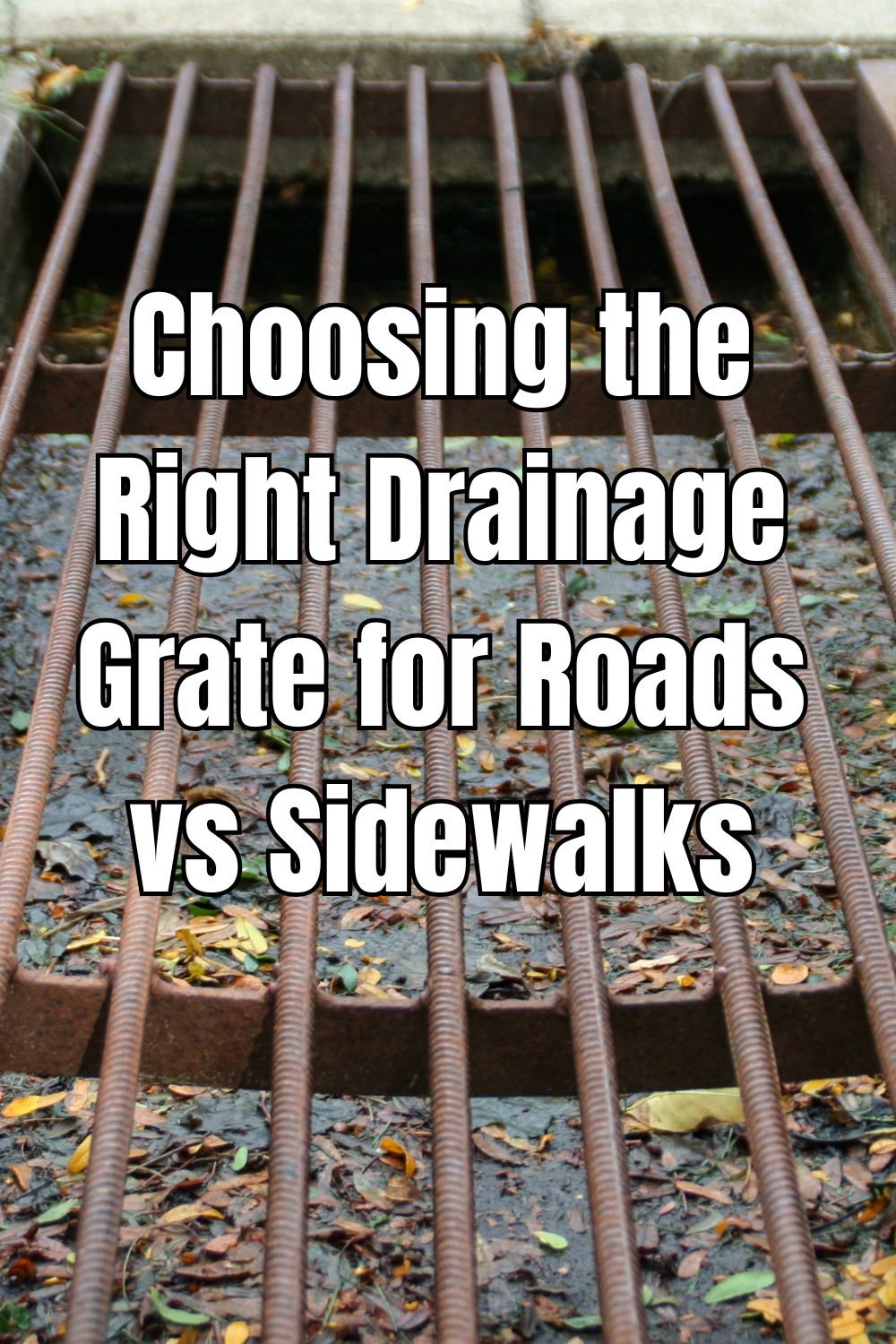
Choosing the Right Drainage Grate for Roads vs Sidewalks
Effective stormwater management plays a vital role in maintaining safe, resilient infrastructure in coastal cities like Virginia Beach. With frequent heavy rainfall, seasonal hurricanes, and Nor’easters, well-designed drainage systems help reduce flooding risks, protect roads and underground utilities, and ensure safe movement for both pedestrians and vehicles.
While drainage grates may appear similar at a glance, the functional demands placed on roadways and sidewalks differ significantly. In coastal environments such as Virginia Beach, careful planning and durable material selection are essential due to high moisture levels, salt exposure, and the increased risk of storm surge and corrosion. Reliable solutions and infrastructure products such as those found at https://civilmart.com.au/ can support long-term performance in these challenging conditions.
Understanding the Role of Drainage Grates
Drainage grates are designed to capture surface runoff and direct it into underground stormwater systems. In Virginia Beach, where flat terrain and sandy soils can slow natural drainage, these systems are especially important. Well-designed grates help prevent standing water, roadway flooding, and erosion during intense coastal storms.
However, factors such as traffic loads, pedestrian safety, and corrosion resistance strongly influence the type of grate required in each location.
Drainage Grates for Roads
Roadway drainage grates in Virginia Beach must prioritise strength, durability, and resistance to harsh environmental conditions. They are exposed to constant vehicle traffic, including heavy trucks, emergency vehicles, and service fleets, as well as salt-laden air from nearby coastal areas.
Key considerations for roads include:
- Load rating: High-strength load classes are essential to withstand repeated vehicle pressure without deformation or failure.
- Corrosion resistance: Coastal exposure requires materials like ductile iron with protective coatings or treated steel to resist saltwater corrosion.
- Hydraulic efficiency: Efficient slot design helps manage heavy rainfall and rapid runoff during tropical storms and hurricanes.
- Cyclist safety: Drainage openings must be designed to prevent tire trapping in bike lanes and shared roadways.
- Maintenance access: Removable or hinged systems allow for easier cleaning of sand, debris, and storm-related sediment buildup.
Because roadways handle high runoff volumes and debris such as sand, oil, and organic material, engineers typically prioritise durability and hydraulic performance over visual design.
Drainage Grates for Sidewalks
Sidewalk drainage systems in Virginia Beach serve both functional and accessibility purposes. In addition to managing stormwater, they must remain safe and comfortable for pedestrians in a busy beachfront and urban tourism environment.
Important features for sidewalk grates include:
- Slip resistance: Textured surfaces help reduce slipping risks during frequent rain and coastal humidity.
- Heel-safe and mobility-friendly design: Narrow openings prevent hazards for high heels, wheelchairs, strollers, and mobility aids.
- Aesthetic integration: Decorative or low-profile designs enhance streetscapes in retail districts, boardwalk areas, and residential neighborhoods.
- Moderate load requirements: Designed primarily for pedestrian traffic, these grates do not require the heavy-duty specifications of roadway systems.
- Corrosion resistance: Stainless steel or polymer-based materials are often preferred due to constant exposure to salt air and moisture.
Urban planners in Virginia Beach often balance functionality with coastal aesthetics, especially in high-traffic tourist areas near the oceanfront.
Key Differences to Consider
When comparing road and sidewalk drainage grates in Virginia Beach, the key differences come down to load capacity, environmental exposure, and safety requirements.
- Road grates prioritise structural strength, hydraulic capacity, and resistance to vehicle loads and storm impacts.
- Sidewalk grates prioritise pedestrian safety, accessibility compliance, and visual integration with public spaces.
Installing the wrong type of grate can lead to premature damage, safety risks, and costly maintenance, especially in a coastal city where weather conditions can accelerate wear.
Local projects typically follow standards set by organizations such as the Virginia Department of Transportation (VDOT) and municipal stormwater management guidelines to ensure compliance and long-term performance.
Making the Right Choice
Selecting the right drainage grate in Virginia Beach begins with understanding site-specific conditions, including traffic type, storm exposure, soil drainage characteristics, and proximity to saltwater.
For mixed-use areas that combine roadways, bike lanes, and pedestrian walkways, using purpose-specific grate types in each zone provides the best long-term results.
By matching drainage solutions to their environment, engineers and city planners can build safer, more resilient infrastructure capable of handling Virginia Beach’s coastal weather challenges year-round.
Leave A Reply!