Are dental implants worth the investment? Discover the cost factors and long-term benefits behind this dental solution.
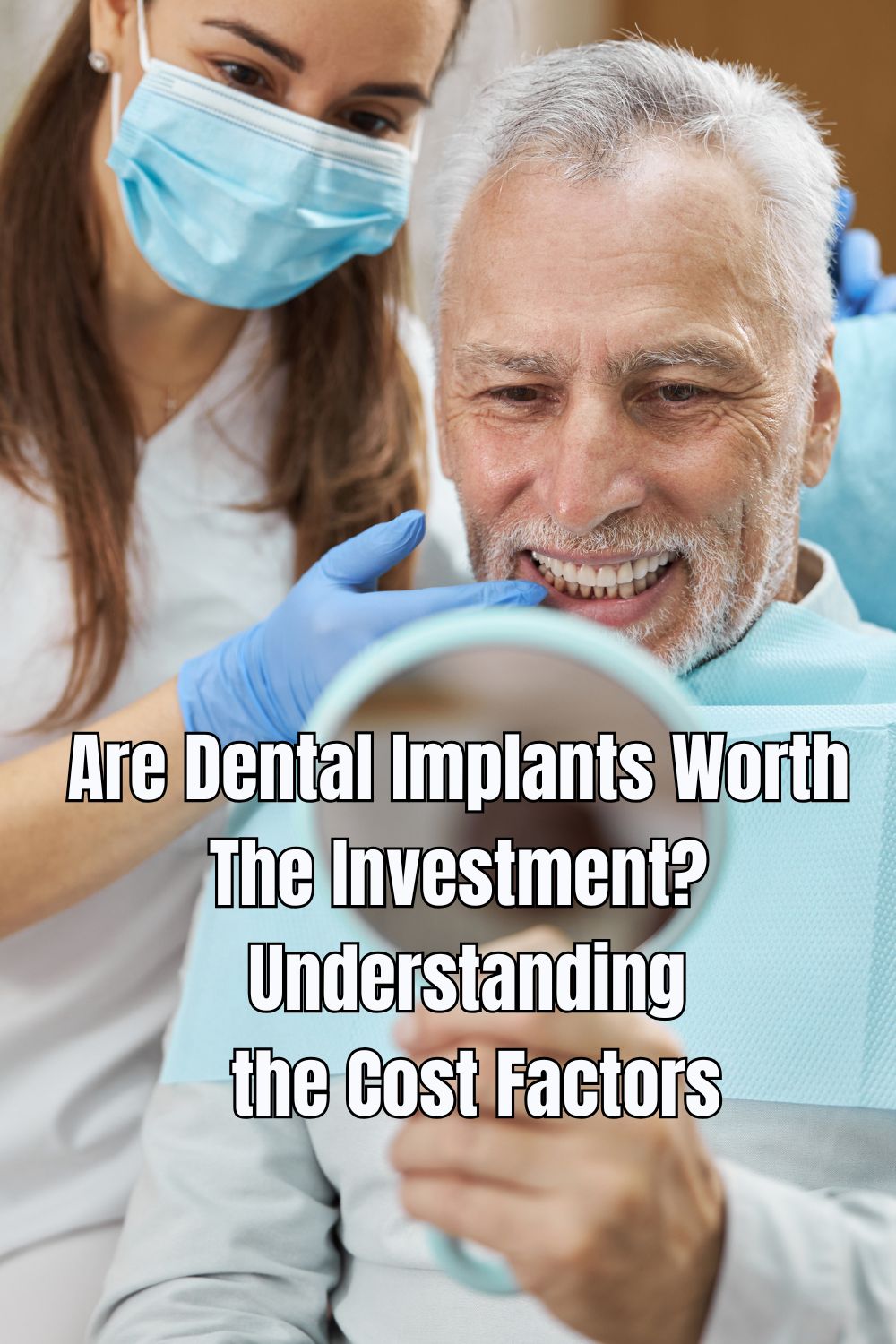
Are Dental Implants Worth the Investment? Understanding the Cost Factors
A single dental implant can cost anywhere from $3,000 to $6,000 according to the American Dental Association’s 2024 pricing data — yet that wide range barely tells the story. Behind these numbers lies a complex web of factors that can push costs significantly higher or, in some cases, make implants surprisingly accessible. As dental technology advances and more practitioners offer implant services, patients face an increasingly bewildering array of options, each with different price points and long-term implications.
The stakes extend beyond immediate expenses. Consider a 45-year-old who needs to replace a lost molar: choosing a less expensive bridge today might seem financially prudent, but that decision could trigger additional procedures down the road as adjacent teeth weaken under extra load. Meanwhile, the person who invests in an implant may face no further intervention for decades.
Understanding the true cost of dental implants requires looking beyond initial price tags to examine what drives pricing variations, how different implant types compare financially, and whether the investment actually pays off over time. For anyone weighing this decision, these factors will determine not just what you pay upfront, but what your smile costs you over the next 20 years.
What Factors Influence the Cost of Dental Implants?
The surgeon’s experience level stands as perhaps the most significant cost driver in implant dentistry. Oral surgeons with specialized fellowship training and decades of implant placement experience typically charge 30-50% more than general dentists who offer implant services. This premium reflects not just expertise, but access to advanced techniques that can handle complex cases requiring bone grafts or sinus lifts.
Geographic location creates equally dramatic price variations. Urban centers like New York or San Francisco see implant costs routinely exceeding $6,000 per tooth, while rural areas in the Southeast might offer similar procedures for $2,500. These differences stem from overhead costs, local competition, and regional economic factors rather than quality disparities.
Implant material and brand selection adds another layer of complexity to pricing. Premium Swiss or Swedish implant systems can cost practitioners significantly more than domestic alternatives, expenses typically passed to patients. However, the correlation between price and performance isn’t always straightforward — some mid-tier implant brands demonstrate excellent long-term success rates at lower costs.
Additional procedures often represent the largest unexpected expenses in implant treatment. Bone grafting procedures range from $300 for minor socket preservation to $3,000 for major reconstruction. Sinus lift procedures, necessary when placing implants in the upper back jaw, add $1,500 to $3,000 to treatment costs. These adjunctive treatments can easily double the initial price estimate, yet they’re frequently essential for successful implant integration.
How Do Costs Differ Across Dental Implant Types and Components?
Understanding implant pricing requires breaking down both the components involved and the various treatment approaches available. Each element contributes differently to the total investment, and these variations become crucial when comparing treatment options.
Cost Breakdown of Dental Implant Components
The titanium implant post — the portion that integrates with jawbone — typically represents 40-50% of total treatment costs. This component ranges from $1,200 to $2,500 depending on manufacturer and design features. Premium implants with specialized surface treatments or unique thread patterns command higher prices, though clinical advantages vary.
Abutments — the connectors between implants and crowns — add $300 to $800 per implant. Custom abutments fabricated specifically for individual cases cost significantly more than stock options but often provide superior aesthetics and gum tissue response. Zirconia abutments, favored for their tooth-like color, typically cost $200-400 more than titanium alternatives.
The crown or restoration represents the final major cost component, ranging from $1,000 to $3,000. Material choice drives much of this variation: porcelain-fused-to-metal crowns occupy the lower end, while all-ceramic or zirconia options command premium pricing. Laboratory fees, dentist markup, and local market factors all influence final restoration costs.
Comparing Single Implants, Bridges, and Full-Arch Costs
Single tooth replacement costs typically range from $3,000 to $6,000 all-inclusive, making this the most straightforward pricing scenario. The predictable nature of single implant placement allows for accurate cost estimates with minimal surprises.
Implant-supported bridges offer economies of scale when replacing multiple adjacent teeth. A three-unit bridge supported by two implants might cost $8,000-12,000 compared to $12,000-18,000 for three individual implants. However, this approach requires healthy bone at both implant sites and commits adjacent areas to a connected restoration.
Full-arch solutions demonstrate the most dramatic cost efficiencies. While individual implant replacement of all teeth could theoretically cost $150,000 or more, full-arch implant solutions for your smile using four to six strategically placed implants typically range from $20,000 to $40,000 per arch. These “all-on-four” concepts leverage implant positioning to maximize support while minimizing surgical requirements and costs.
What Is the Long-Term Financial Value of Dental Implants?
Evaluating implant value requires extending the financial analysis beyond initial costs to consider long-term maintenance, durability, and comparative expenses over decades of use. This perspective often reveals implants as surprisingly cost-effective despite higher upfront investments.
Implant durability significantly impacts long-term value calculations. Research tracking implants for 20+ years shows success rates exceeding 95% for properly planned and maintained cases. Barring trauma or severe periodontal disease, well-integrated implants can last a lifetime with routine care. Crown replacements might become necessary after 15-20 years due to normal wear, but the implant foundation typically remains stable.
Traditional bridges — the primary alternative for single tooth replacement — demonstrate markedly different longevity patterns. The average bridge requires replacement after 10-15 years, generating recurring costs throughout a patient’s lifetime. A 40-year-old choosing a bridge over an implant might face three or four bridge replacements, with each subsequent procedure potentially more complex as supporting teeth weaken.
Maintenance costs favor implants over alternatives in most scenarios. Implants require the same cleaning routine as natural teeth, while bridges demand special flossing techniques and potential cleaning aids. Partial dentures require adhesives, special cleaning solutions, and periodic adjustments or relines. Over decades, these seemingly minor expenses accumulate significantly.
The bone preservation benefits of implants carry both health and financial implications. Natural tooth roots stimulate jawbone maintenance through normal chewing forces. When teeth are lost, bone resorption occurs progressively, potentially affecting facial appearance and complicating future dental work. Denture wearers often face costly bone grafting procedures years later when considering implants, expenses avoided by choosing implants initially.
What Financial Considerations Should Patients Know About?
Navigating implant financing requires understanding both insurance realities and hidden costs that frequently catch patients unprepared. Financial planning becomes crucial given the significant upfront investment and potential for unexpected expenses.
Understanding Insurance Coverage and Its Limits
Dental insurance coverage for implants remains inconsistent and often disappointing. Traditional plans frequently classify implants as cosmetic procedures, providing minimal or no coverage despite their functional necessity. Plans that do cover implants typically reimburse 50% of costs up to annual maximums, leaving patients responsible for substantial out-of-pocket expenses.
Medical insurance occasionally covers implant procedures when tooth loss results from trauma, cancer treatment, or congenital conditions. However, coverage determinations require extensive documentation and pre-authorization processes that can delay treatment for months. Patients should verify coverage details before beginning treatment rather than assuming reimbursement.
Flexible spending accounts and health savings accounts provide tax-advantaged payment options for implant procedures. These accounts allow employees to set aside pre-tax dollars specifically for medical and dental expenses, effectively reducing implant costs by the individual’s marginal tax rate — potentially saving 22-37% on total treatment expenses.
Hidden and Additional Costs to Consider
Diagnostic imaging represents a frequently overlooked initial expense. CT scans necessary for implant planning typically cost $300-600 and rarely receive insurance coverage. Some practices include imaging in treatment estimates while others itemize separately, making cost comparisons challenging without detailed breakdowns.
Bone grafting procedures constitute the most significant potential hidden cost in implant treatment. Minor grafting might add $300-800 to treatment costs, while major reconstruction procedures can exceed $3,000. Patients with long-term tooth loss or those who experienced infection or trauma often require grafting, yet this need might not become apparent until after initial consultation.
Temporary restorations during healing phases add $200-500 per implant site. While not always necessary, temporary crowns or partial dentures maintain aesthetics and function during the 3-6 month integration period. Patients replacing visible teeth typically consider these essential despite the additional expense.
Follow-up care costs extend beyond initial treatment completion. Routine maintenance visits, professional cleanings around implant sites, and potential minor adjustments typically generate ongoing expenses similar to natural tooth care. However, complications requiring intervention — while uncommon — can result in significant additional costs not covered by initial treatment fees.
The financial commitment to dental implants extends well beyond the initial procedure, encompassing everything from unexpected bone grafting needs to long-term maintenance considerations. Yet when evaluated against alternatives over decades of use, implants frequently emerge as the most cost-effective solution despite higher upfront investments. The key lies in realistic financial planning that accounts for both predictable and potential expenses while considering the long-term value proposition that quality implants provide.
Leave A Reply!