Prepare your family with A Parent’s Guide to Handling Water or Fire Damage at Home for effective recovery from disasters.
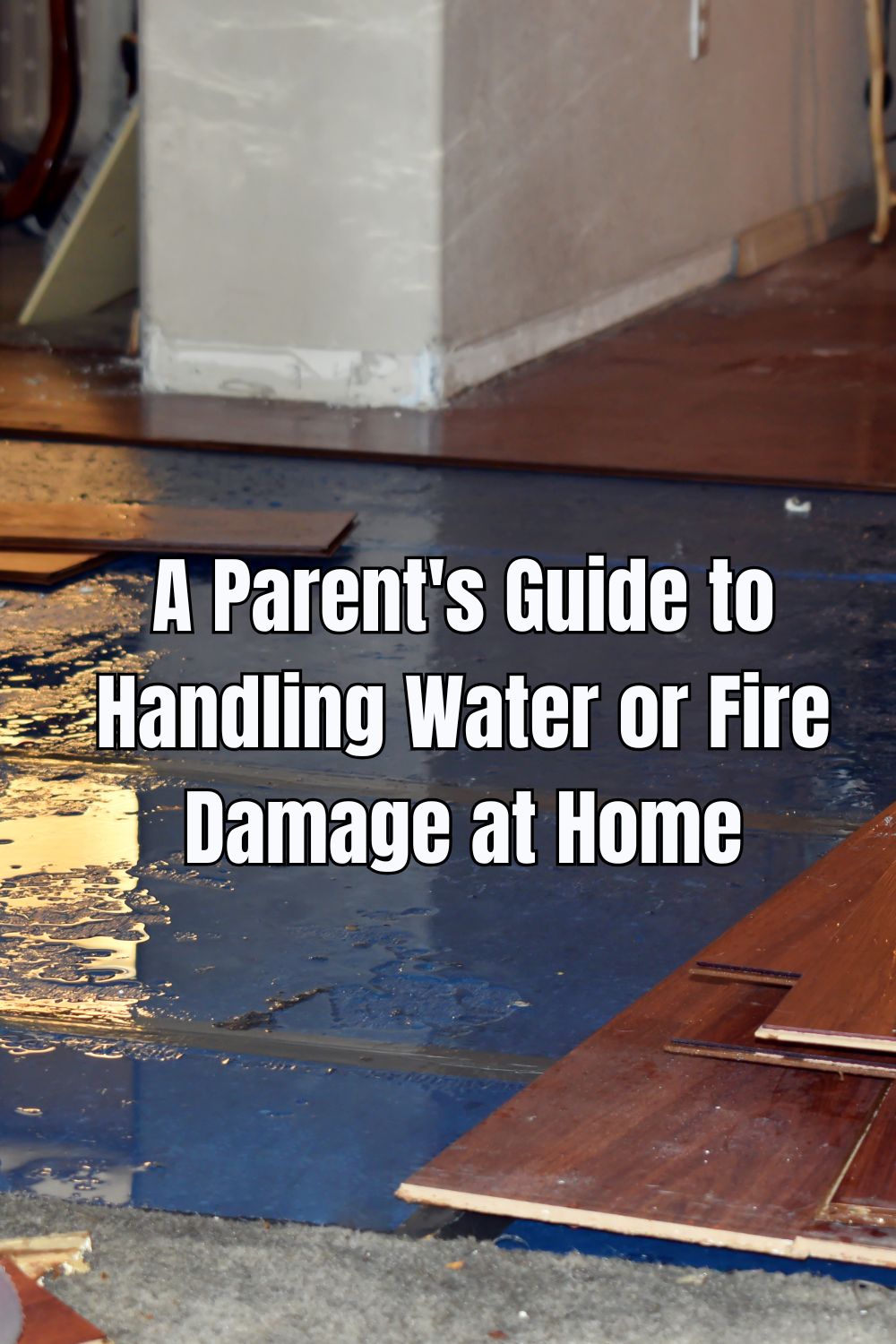
A Parent’s Guide to Handling Water or Fire Damage at Home
Nobody plans for the morning they wake up to smoke-blackened walls or a soaked living room floor. You are halfway through your coffee, the kids are getting ready for school, and suddenly you are staring at a disaster with no obvious first step.
If you have been through it, you know that sinking feeling. If you have not, knowing what to do ahead of time can genuinely save you weeks of misery and thousands of dollars.
Here is what families actually need to know when water or fire damage hits home.
Fire Damage: What Happens After the Flames Go Out
Most people think putting out a fire is the hard part. It is not. The aftermath is where the real chaos begins, and it moves fast. Soot settles into porous surfaces within minutes. Smoke odor binds itself to walls, fabrics, and HVAC systems within hours.
The longer you wait, the worse the secondary damage gets, because what started as fire damage quickly becomes a compound problem involving smoke, soot, and structural deterioration all at once.
Your first two calls after a fire should go to your insurance company and a certified restoration crew. Before anyone touches a single item, document everything. Walk through every room with your phone on video, open every cabinet, and record every corner. Insurance adjusters work from documentation, and thorough records are the difference between a fair payout and a frustrating fight. This is also where a lot of families lose precious time, because they do not know who to call or assume they need to wait for the insurance adjuster first. You do not.
Getting a professional fire damage restoration Houston crew on-site quickly is one of the most important decisions you can make, both for the structure of your home and for your family’s safety.
The best companies work directly with your insurance carrier, which takes a significant piece of the coordination burden off your plate during an already exhausting time.
One Houston mom who went through a kitchen fire said calling a restoration crew was the moment things finally stopped feeling completely out of control. Her biggest regret was waiting three days because she did not know where to start, and by then, the smoke odor had already worked its way into the adjacent rooms.
A few things to avoid in the hours after a fire:
- Do not run the HVAC system. It will pull soot and smoke particles through every room in the house.
- Do not wipe soot off walls with a wet cloth. Dry soot embeds more deeply when it gets wet and becomes much harder to remove professionally.
- Do not assume a room that looks untouched is safe. Smoke travels far through walls and ductwork, and the damage is often invisible until tested.
Even when a fire is small and contained to one area, get a professional assessment before your kids go back inside. Soot contains toxic particles, and children’s lungs are far more vulnerable to them than adults’.
Water Damage: The Clock Starts the Moment It Happens
Water damage follows a brutal timeline. A burst pipe, a flooded basement, or storm water seeping through the foundation all start the same countdown.
Within 24 to 48 hours, mold spores already present in your home will begin growing on wet surfaces. By the 72-hour mark, you are no longer dealing with water damage alone but a mold remediation project on top of it, which is a far bigger and more expensive problem.
Stop the source first if you safely can, which usually means shutting off the main supply valve. Then move everything off the floor and call your insurance company and a restoration service at the same time, not one after the other.
The part that catches most parents off guard is how much damage stays hidden until it is already serious. Wet floors near electrical outlets or appliances create a real electrocution risk, floodwater frequently carries contaminants, and what looks like a contained puddle on the surface is often a much larger problem sitting inside the walls or beneath the floors. Keep kids out of the affected area entirely until a professional clears it.
Signs of water damage that parents often miss:
- Soft spots or slight give in hardwood floors, which signal water trapped beneath the surface
- A musty smell in a room that did not have one before
- Warping along baseboards or door frames that suddenly do not close the way they used to
Before Disaster Strikes: Two Things Worth Doing This Week
Working smoke alarms on every floor, tested monthly with batteries replaced once a year, are the single most reliable early warning system a family has. And knowing where your main water shut-off valve is before a pipe bursts is the kind of ten-second piece of information that can save thousands in damage.
Walk through your home this week, find the valve, and show your older kids where it is, too.
No home is disaster-proof, but prepared families recover faster, spend less, and hold it together far better when things go sideways.
Leave A Reply!