Discover 6 parent hacks for smarter youth football gear shopping that save money and ensure safety for your child.
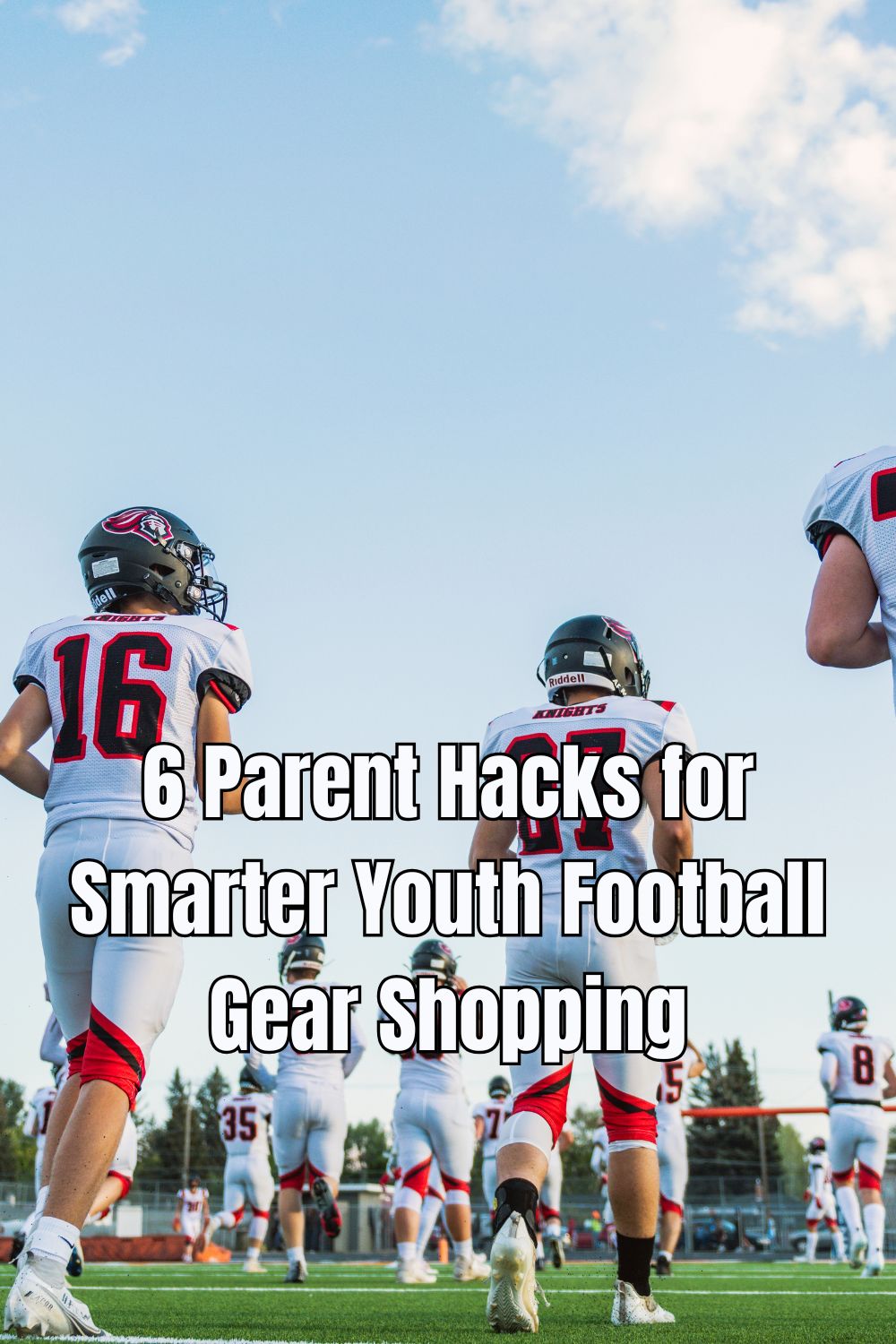
6 Parent Hacks for Smarter Youth Football Gear Shopping
Getting your child ready for the gridiron is a major milestone for any family. It brings a mix of pride and a bit of stress when you look at the long equipment list provided by the coach.
You want the best protection without spending a fortune on items they might outgrow in a single season.
Shopping smart means knowing where to spend and where to save your hard-earned money. These hacks will help you navigate the aisles like a pro athlete. Your child will stay safe as you keep your budget under control for the entire year.
Check For Safety Certification Symbols
Before you fall in love with a flashy design or a bright color, look at the safety labels on the back of the gear. Every helmet must have a specific seal of approval to be used in organized football leagues.
An article from a leading youth health site points out that helmets should have a hard plastic shell and thick padding that meet NOCSAE standards.
These rules exist to protect players from serious head injuries during high-impact hits. A helmet lacking this certification belongs on a store shelf and not on the field. Make sure you inspect every piece of headgear for this mark before you head to the register.
Invest In Quality Performance Layers
Buying high-end protective gear is only one part of the equation for a successful season. Many teams choose to get custom football compression uniforms to give their roster a professional appearance. These garments fit tightly against the skin to prevent chafing during long practices.
High-quality fabric helps manage sweat so the athlete does not get weighed down by heavy moisture. It keeps the protective padding from shifting out of place during a tackle. Having a uniform that fits perfectly allows the player to focus on the game and play with confidence.
Master The Proper Fitting Technique
Buying the right size is only half the battle for a young football player. You have to make sure the gear sits correctly on the player’s body to provide real protection.
Expert advice from a major children’s hospital suggests using your fingers to check the fit of a helmet. The front edge should sit about 1 finger width above the eyebrows.
The facemask needs to stay 2 to 3 finger widths away from the tip of the nose. A loose helmet can be just as risky as no helmet at all for your child.
Look At The Science Of Recovery
Modern gear does more than just shield a player from hits. Science shows that what an athlete wears under their pads can affect how they feel the next day.
A medical blog recently highlighted that compression gear is linked to lower lactate levels in the muscles. This suggests a decrease in muscle fatigue during and after hard activity.
- Compression shorts support the hamstrings during sprints.
- Sleeves help keep arm muscles warm in cold weather.
- Tight leggings can improve blood flow throughout the legs. Lowering fatigue means your child can play harder for longer periods. It helps them get back on their feet faster for the next practice session later in the week.
Shop During The Off-Season Months
The best time to buy pads and cleats is not right before the first game starts in the fall. Retailers often drop prices significantly once the playoffs end in the winter months. You can find high-end cleats for a fraction of the cost if you plan for next year.
Remember to buy a half-size larger to account for growth spurts over the spring and summer. Stashing away gear in January can save you $100s by the time August rolls around. It is one of the easiest ways to get top-tier equipment on a tight budget.
Swap Gear With Other Football Families
Most youth equipment is outgrown long before it is worn out by the player. Check with older players in your league to see if they have hand-me-downs available for use.
Many clubs host gear swaps where parents can trade items that no longer fit their kids. This is a great way to find practice jerseys and pants for free.
You can spend your saved money on items that should always be bought new, like mouthguards and helmets. Networking with other parents builds community and keeps costs low for everyone involved in the league.
Building a full kit for youth football takes time and research. By focusing on safety standards and smart timing, you can kit out your player without a massive financial burden. Remember to check the fit of every piece as the season progresses through the months.
Leave A Reply!