After a car accident, emotional stress can be overwhelming. Here are practical tips to help you regain control and calm.
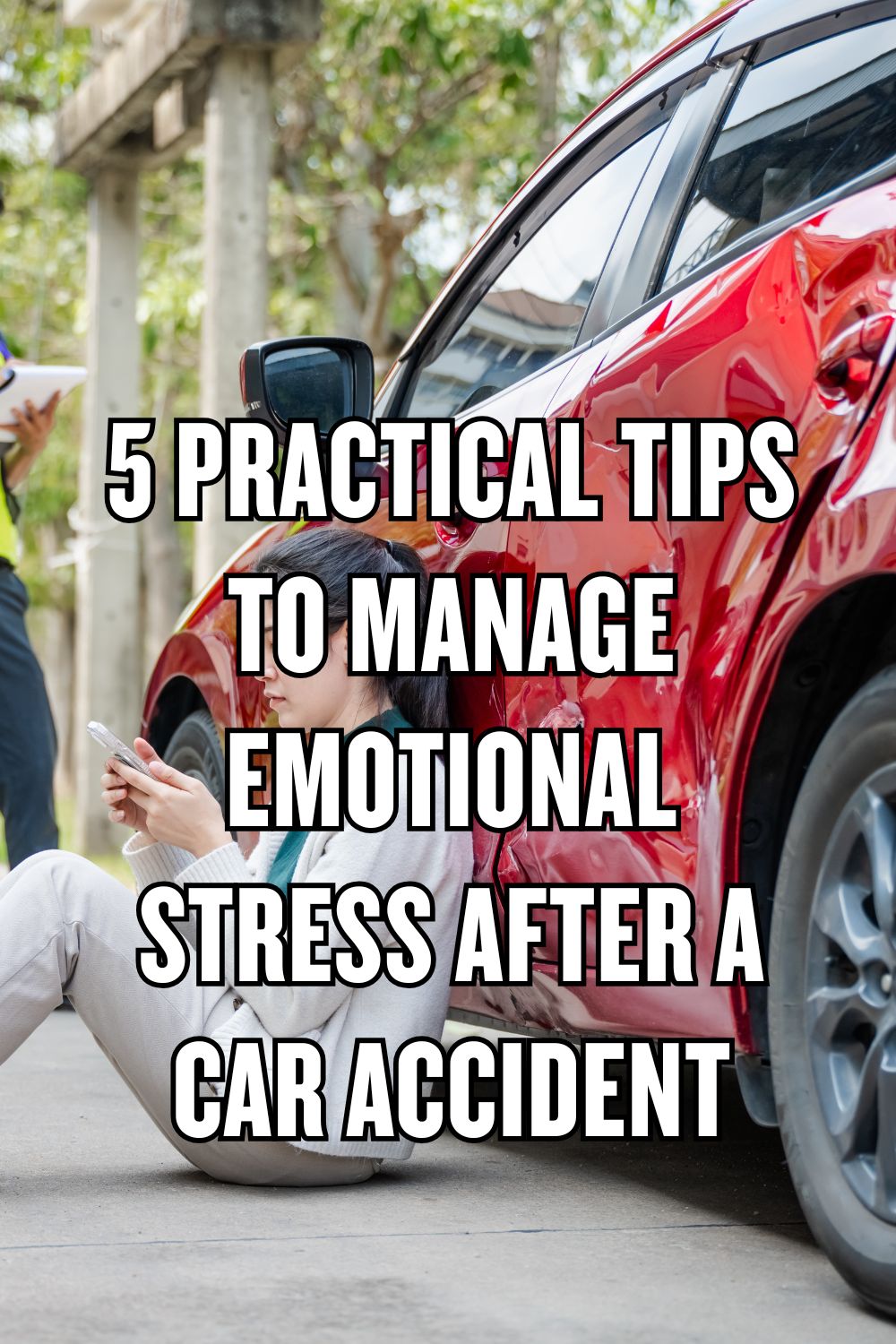
5 Practical Tips to Manage Emotional Stress After a Car Accident
Peachtree Corners is a calm, well-planned city in Gwinnett County, Georgia. It’s part of the Atlanta area, bordered by the Chattahoochee River. The neighborhoods are quiet, tree-lined, with tech parks and nice homes.
But even here, where things feel peaceful, accidents still happen. People still get scared, shaken up, and confused about what to do next.
If you’re experiencing emotional stress of any kind after your accident, you would be doing yourself some good by talking to the best Peachtree Corners car accident attorney, who understands not only your legal needs but also how emotionally heavy these moments can be.
Here are five practical tips for anyone trying to manage emotional stress after a car accident:
Make an Effort to Start Healing Emotionally
You start by noticing what you feel. That’s it. Notice. You might feel angry. You might feel sad for no reason. You might feel tired all the time or scared to drive. There’s nothing wrong with that.
Then you talk to someone. Maybe a therapist. Maybe your best friend. Maybe both. The talking part is where healing starts to show up. It’s like letting air out of a balloon that’s been stretched too long.
Sometimes you’ll feel okay and then crash out of nowhere. That’s fine too. Healing doesn’t move in straight lines.
Bring in Professional Help
You might need to reach out to therapists, counselors, and other people who are trained to help with trauma. They’ll help you understand what’s happening in your brain and how to calm it.
Some people think therapy means you’re crazy. It doesn’t. It means you care enough to want peace.
Try breathing exercises too. Deep, slow ones. When your body slows down, your mind starts to follow.
Take Care of Yourself Every Day
You don’t have to change everything at once. Just do small things that bring comfort and stability again.
- Go outside, even for ten minutes.
- Keep a simple routine: wake, eat, rest, repeat.
- Move your body. Even a walk counts.
- Avoid scrolling through stressful news or crash videos.
- Talk, even when you don’t want to. Silence builds pressure.
Some people journal. Others paint. Some just sit with their dog. You should just do what feels right for you, really, not what a list says you should do.
Face Your Fear of Driving Again
Fear behind the wheel is common, even months after the accident. You can start small. Sit in the car. Turn on the engine. Just sit there.
Next time, maybe drive around the block. Then a little farther. You don’t have to rush. The goal isn’t to get over it; it’s to feel safe again.
And if someone tries to rush you? Ignore them. Only you know when your body feels ready.
Be Patient With Yourself
You wouldn’t yell at someone healing from a broken leg for walking slowly. So don’t yell at yourself for healing from something invisible. Emotional pain doesn’t always show up on X-rays. That doesn’t make it less real.
Give yourself credit for the little things, such as showing up, talking about it, and trying again. Every bit counts. Healing isn’t quick, but it happens, quietly, in small ways.
Key Takeaways
- Emotional recovery after a car accident is just as important as physical healing.
- Talking to a therapist, friend, or counselor can help you process your feelings and regain balance.
- Small daily routines, like walking, journaling, or spending time outdoors, support emotional stability.
- Fear of driving again is normal; take gradual steps at your own pace to rebuild confidence.
- Be patient and kind to yourself. Emotional healing takes time, and progress often comes in small moments.
Leave A Reply!