Wondering if rhinoplasty will look natural? Discover the 6 factors that influence the outcome of your procedure.
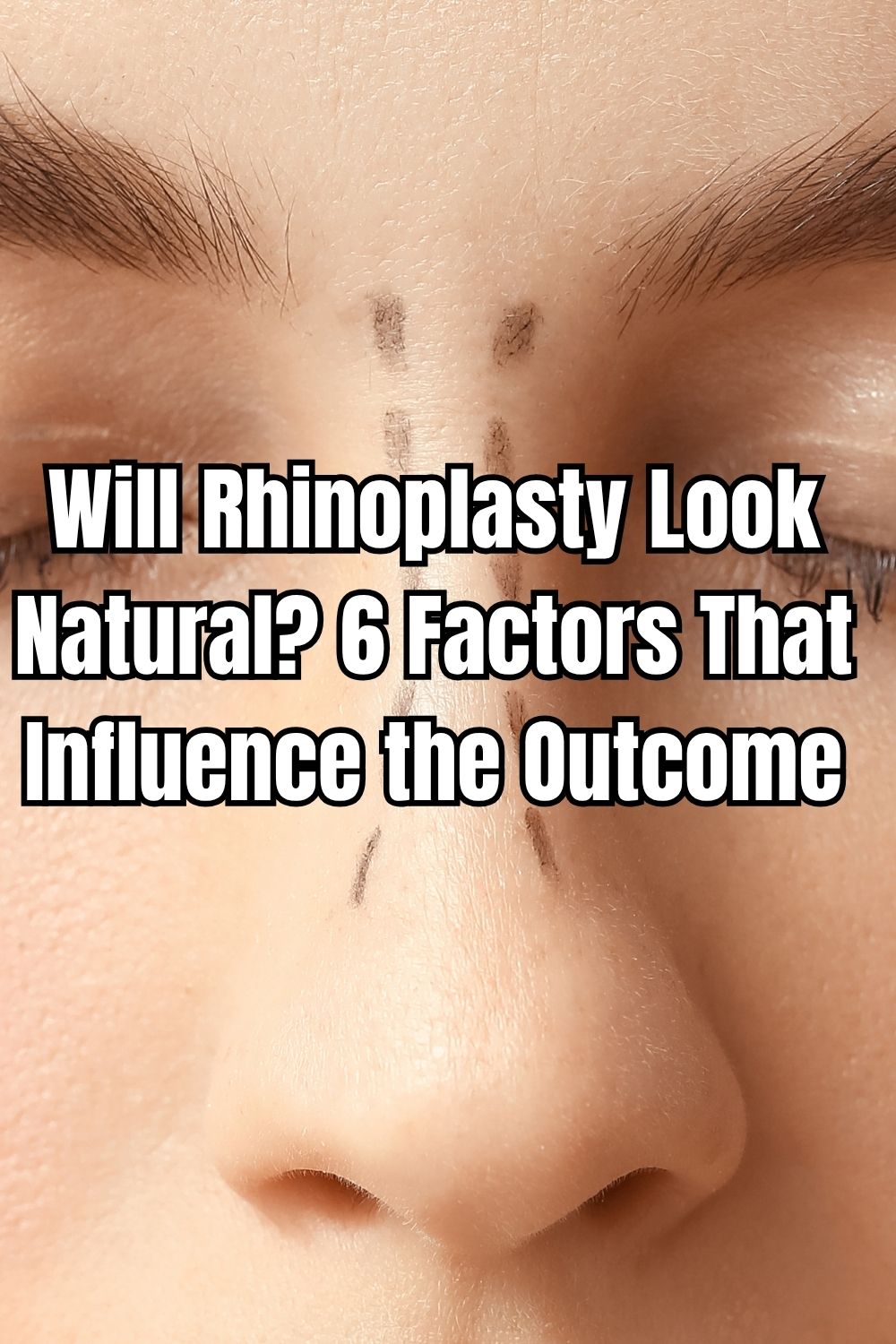
Will Rhinoplasty Look Natural? 6 Factors That Influence the Outcome
Will people notice you had rhinoplasty—or will they just think you look better somehow?
That’s usually the real question behind the decision. Most people aren’t looking for a completely different nose. They’re trying to refine something that feels slightly off, without losing what makes their face familiar.
The tricky part is that “natural” doesn’t have a single definition. It depends on proportions, facial balance, and how subtle changes interact with everything else. In cities like Houston, where aesthetic treatments are becoming increasingly popular, the balance between noticeable and unnoticeable becomes even more important.
The outcome isn’t shaped by one factor alone. It’s a combination of anatomy, planning, and the body’s response over time. If you’ve been wondering what actually determines whether rhinoplasty looks natural, below are 6 factors that tend to influence the result more than people expect.
1. Your Starting Nasal Structure
The natural shape of your nose plays a major role in what can realistically be achieved. Bone structure, cartilage strength, and skin thickness all influence how much refinement is possible without disrupting overall balance.
That’s what prompts many people to explore options like rhinoplasty in Houston when they want subtle changes rather than dramatic ones. During such research, people begin to understand how the existing structure supports or limits certain adjustments.
While different approaches can be considered, specialists like Dr. Angela Sturm tend to assess how bone, cartilage, and skin characteristics interact to determine which outcome will appear most natural. That foundation tends to guide what can be refined while still preserving facial harmony.
2. Skin Thickness
Skin thickness can quietly influence how visible changes appear after surgery. Thicker skin may soften definition, while thinner skin can make even small adjustments more noticeable.
What makes this factor interesting is how it changes the perception of the same structural work. Two people could undergo similar modifications, yet the end result may look sharper on one and more blended on the other simply because of how the skin adapts.
It’s not something that can be dramatically altered, which is why it becomes part of the planning process rather than something corrected during surgery. Over time, as swelling reduces and the skin settles, this characteristic continues to influence how refined or subtle the final contours appear in everyday expressions.
3. Facial Proportions and Overall Balance
A nose doesn’t exist in isolation—it’s part of a larger facial structure. Its relationship with the chin, cheeks, and forehead influences how balanced the result appears. A change that seems ideal on its own can feel slightly off once placed in the full context of the face. That’s where proportion becomes more important than perfection.
Even small refinements can shift how the entire face is perceived, especially when they bring features into better alignment rather than drawing attention to one area. This is why planning tends to focus less on creating a “perfect nose” and more on ensuring that the result feels consistent with the rest of the facial structure.
4. Surgical Technique and Approach
Different techniques can lead to different types of outcomes. The approach chosen depends on anatomy, goals, and how much structural change is required.
Some techniques focus on refining existing structures, while others involve more detailed reshaping of cartilage and bone. The choice isn’t just about achieving a specific look—it’s about doing so in a way that supports stability and long-term balance.
Subtlety becomes a key part of the process, especially when the goal is to enhance rather than transform. That level of precision is what allows the result to blend naturally rather than appear overly altered or artificial.
5. Healing Process and Timeline
The healing process plays a bigger role than many people expect. Swelling, tissue response, and gradual settling all influence how the nose looks over time.
What people see in the early weeks isn’t the final outcome. There’s a progression where definition improves slowly, sometimes in ways that aren’t immediately noticeable day to day. For some, the changes feel subtle at first and then become clearer over several months as the structure settles. That gradual evolution is part of what helps the result feel natural, since the transition doesn’t happen all at once.
6. Expectations Going Into the Procedure
Expectations can shape how the outcome is perceived just as much as the procedure itself. A clear understanding of what can and cannot be achieved helps align goals with realistic results.
When expectations are based on individual anatomy rather than idealized images, the outcome tends to feel more cohesive. Instead of chasing a specific look, the focus shifts toward refining proportions and maintaining balance.
That mindset makes it easier to appreciate subtle improvements rather than expecting a dramatic transformation. The alignment between expectation and reality is what ultimately determines whether the result feels natural in everyday life.
Conclusion
A natural-looking rhinoplasty doesn’t come down to one perfect choice—it’s the result of several factors working together. Structure, technique, healing, and expectations all play a role in shaping the final outcome.
What stands out is how subtle the process really is. The goal isn’t to create something entirely new, but to refine what’s already there in a way that feels consistent, balanced, and quietly in sync with the rest of the face.
Leave A Reply!