Find out how regular visits to an eye doctor contribute to essential family vision care and long-term eye health.
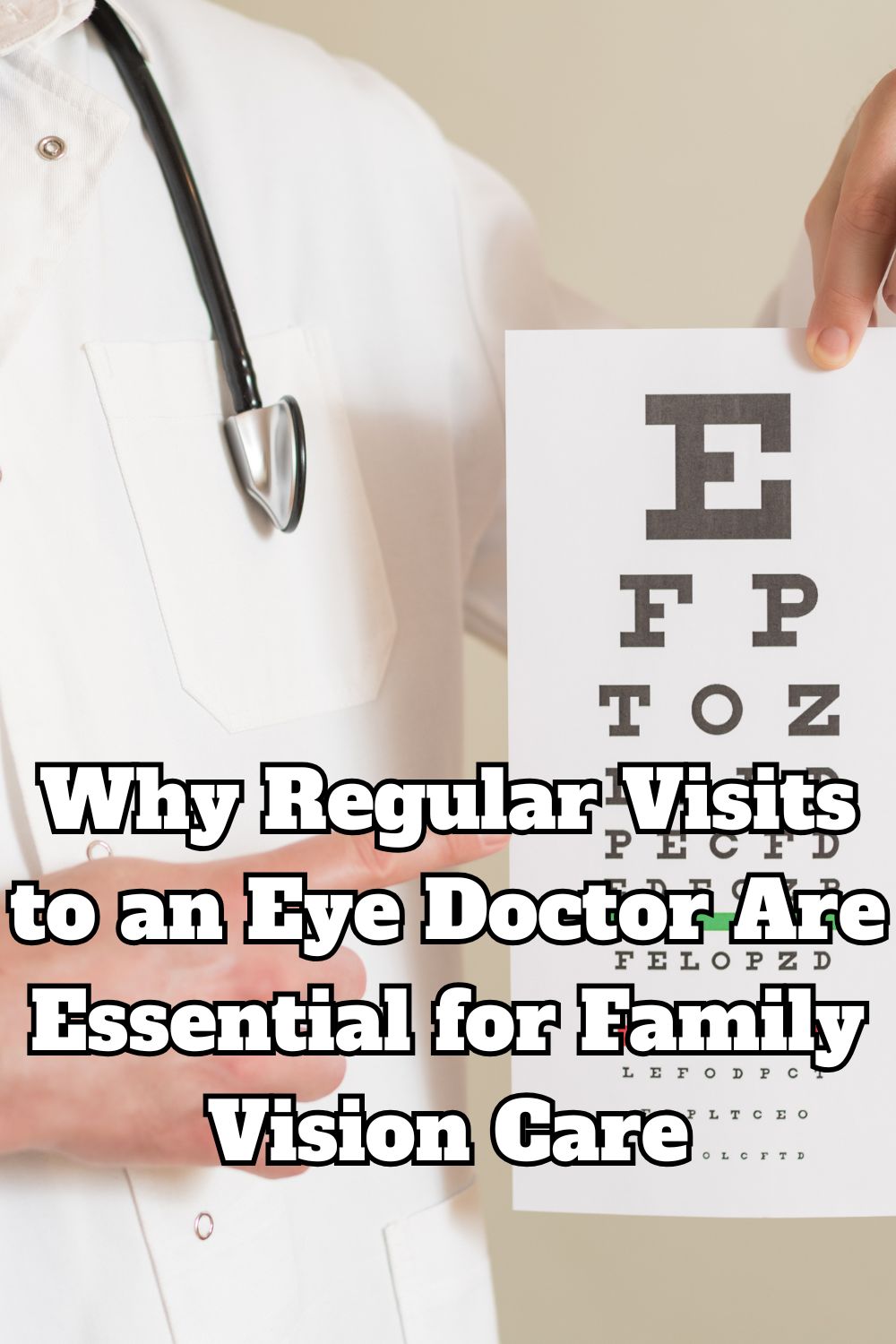
Why Regular Visits to an Eye Doctor Are Essential for Family Vision Care
When was the last time your family scheduled an eye exam? Many households prioritize dental visits and yearly checkups, but vision care is often overlooked until problems interfere with school, work, or daily life. Sight can be taken for granted—until strain or discomfort makes it impossible to ignore.
In communities like Manhattan, where daily routines are filled with screens and fast-paced schedules, overlooking eye health can have lasting effects. Regular exams do more than measure clarity—they help reveal hidden concerns, provide reassurance, and guide better long-term care.
This article explores why vision deserves more attention, how specialists support families, common risks to look out for, when to plan visits, and the simple habits that can help keep eyes healthy throughout every stage of life.
1. Why Eye Health Matters for Families
Good sight touches nearly every aspect of life. Children may struggle in school if they cannot see clearly, while adults may endure daily headaches from the strain that is often ignored. Seniors risk accidents when vision weakens without correction. These challenges highlight why sight deserves the same priority as other areas of health.
- Early detection prevents long-term eye issues before they become harder to treat.
- Clear vision supports confidence and performance at school and work.
- Healthy eyes reduce safety risks in sports, driving, and daily tasks.
- Exams sometimes reveal other hidden conditions, such as diabetes or hypertension.
When families recognize the importance of protecting their eyes, they treat checkups as essential rather than optional. The benefits extend far beyond clear sight, influencing confidence, comfort, and overall wellness.
2. How an Eye Doctor Supports Family Care
Specialists provide far more than updated prescriptions. They act as long-term partners in health, tracking changes and offering guidance at every stage of life. From a child’s first vision screening to monitoring age-related conditions in seniors, regular visits ensure that families stay ahead of potential concerns.
Digital strain and hidden conditions are becoming common concerns. Many families turn to an Eye Doctor Manhattan for solutions that go beyond a simple vision check. Modern practices focus on combining advanced tools with a personal approach, making care feel both thorough and reassuring. Among them, Cohen Eye Institute is recognized for blending technology with expertise, helping patients detect issues early and protect long-term health. Their patient-focused model shows how regular visits can be both preventive and empowering.
- Detects and manages conditions before they advance.
- Recommends glasses, contacts, or other treatments suited to individual needs.
- Tracks vision changes across all ages for a clear long-term view.
- Provides guidance on screen use, posture, and lighting.
This blend of professional care and practical support allows families to feel reassured while protecting vision against preventable challenges.
3. Common Vision Problems Families Face
Modern life places a heavy strain on the eyes. Children spend long hours on devices for school and entertainment. Adults spend their workdays sitting in front of screens, and seniors face the natural changes that come with age. All of these factors create a wide range of concerns.
- Screen exposure contributes to digital eye strain, causing dryness and fatigue.
- Nearsightedness is increasing among children, often linked to excessive close-up work.
- Aging increases the chance of cataracts, glaucoma, and macular degeneration.
- Poor lighting and posture during reading or work can worsen discomfort.
By understanding these risks, families can identify warning signs more quickly. With early detection and support from professionals, minor problems remain manageable and less likely to progress into lasting conditions.
4. When Families Should Schedule Exams
Too many people wait until symptoms disrupt daily life before making an appointment. Regular visits prevent this cycle and ensure vision stays clear at every stage of life. Different age groups have different needs, but every family benefits from proactive care.
- Children should have checkups before starting school and whenever learning seems affected.
- Teens need visits as screen time increases or when sports put strain on their eyes.
- Adults benefit from exams every one to two years, sooner if issues appear.
- Seniors should schedule yearly visits to monitor age-related conditions.
These timelines keep eyes healthy and provide reassurance. Regular exams mean families avoid surprises and enjoy better outcomes with fewer interruptions to daily routines.
Final Thoughts
Family vision care is too critical to leave to chance. Specialists detect problems early, guide safe habits, and provide the reassurance families need. With regular exams and supportive routines, children, adults, and seniors alike can protect their sight for years to come. Clear vision supports learning, safety, and daily comfort, making it an essential part of overall health. By treating checkups as routine rather than optional, families safeguard both their wellness and their future confidence.
Leave A Reply!