Discover essential tips on what to know before relocating your office for a stress-free and efficient move.
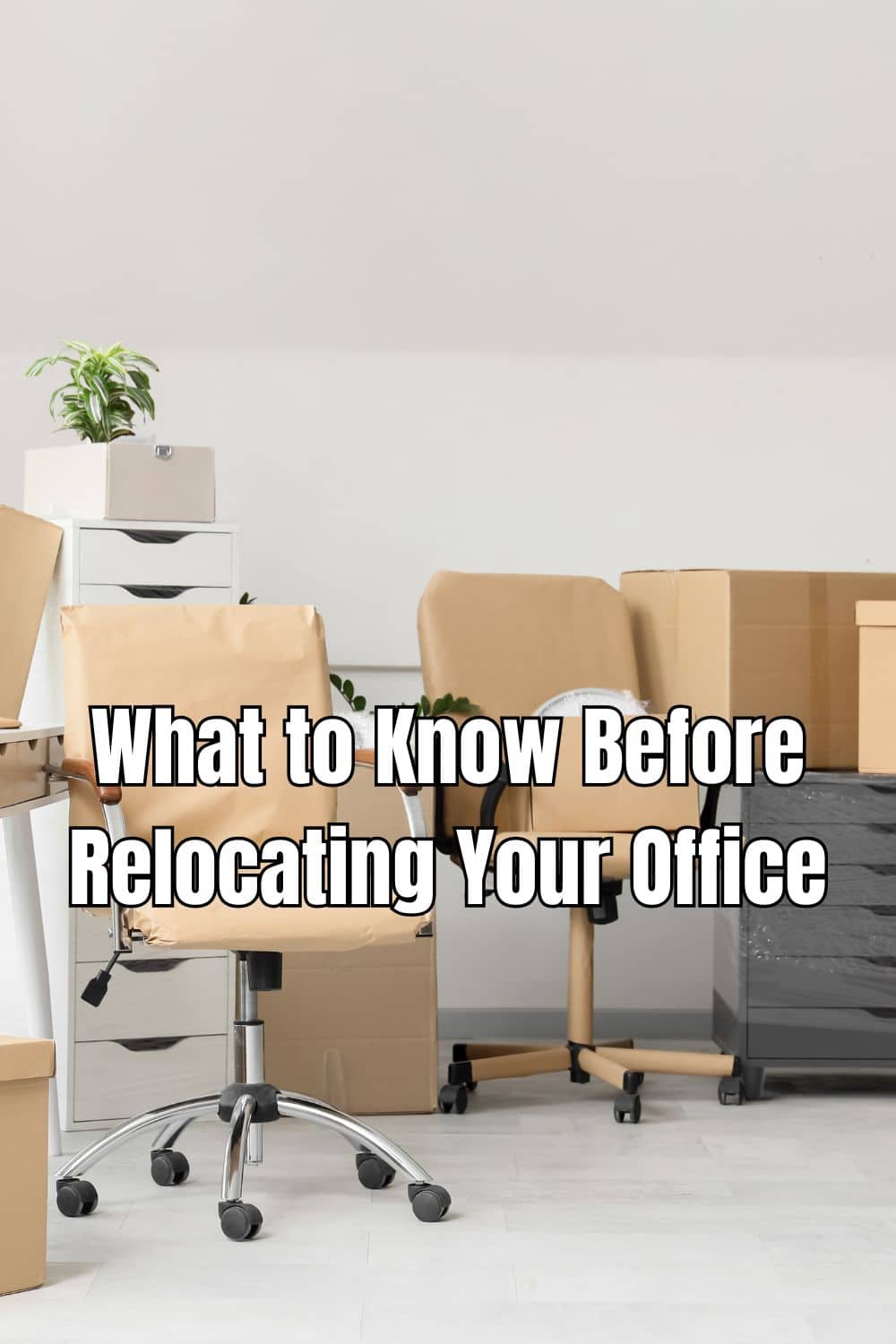
What to Know Before Relocating Your Office
Ever tried packing up your desk, labeling cords, answering client emails, and finding the coffee filters—all while pretending everything is totally under control? Now imagine that chaos stretched across an entire office. In Florida, where remote work trends still shift like hurricane forecasts and commercial real estate prices zigzag monthly, relocating an office is no longer just a task—it’s a strategy. Done wrong, it’s a disruption. Done right, it can reboot how your team works.
In this blog, we will share what businesses need to know before relocating an office, with tips that reduce stress, cost, and confusion.
Logistics First, Then the Vision Board
Every office move begins with ambition. More space. Better location. Updated layout. But that vision gets expensive fast if logistics aren’t handled from day one. Even small moves require more coordination than most companies realize. Furniture, equipment, files, connectivity—none of it moves itself, and all of it needs to land in the new space exactly where it’s meant to go.
One of the smartest early steps is working with professionals who specialize in commercial relocations. For businesses looking to relocate in South Florida, partnering with Fort Lauderdale commercial movers makes the process smoother and far more predictable. These teams understand the difference between a residential truck run and a business-critical relocation. They manage disassembly, tagging, packing, and reinstallation with far more precision—so employees walk into a working office, not a maze of boxes and disconnected wires.
What makes them especially valuable isn’t just the moving muscle, but their coordination with property managers, freight elevators, off-hour access, and city permits. The goal is zero downtime. That means equipment is moved after-hours or over a weekend, and installed cleanly so the team can pick up where they left off without guessing which monitor belongs to which desk.
If you’re relocating sensitive hardware, lab equipment, or anything tied to compliance, these movers also know how to keep everything secure and documented. That peace of mind is hard to price until you’re missing something expensive with a deadline looming.
Technology Isn’t Plug-and-Play
Most companies assume IT will “just set things back up.” But when the layout changes, so does the wiring. Before any move, get a network map drawn out. Know where servers will live, how wiring will run, and whether the new building supports your bandwidth and security needs. If the current layout includes older phone systems or on-site servers, moving may be the right moment to upgrade to cloud services or VoIP. Don’t drag outdated tech into a space meant to modernize how you work.
Give yourself at least six weeks to prepare internet service at the new location. Carriers move slowly, and too many businesses assume the connection will be ready on day one, only to be greeted by buffering screens and dropped calls. Test speeds before move-in, not after.
Also, confirm how your team works. If hybrid is the new normal, you may not need dedicated cubicles for everyone—but you do need strong wireless throughout, plenty of power outlets, and flexible shared space. The biggest mistake companies make is replicating the old setup out of habit instead of designing for how people actually work now.
Communicate Like It’s a Rebrand
Office moves aren’t just physical. They change how a company feels, both inside and out. That means your communication has to keep pace with the change. Employees need timelines, packing instructions, new floor plans, and answers about how the move will affect them. Clients need updates about where you’re going, how they’ll reach you, and whether your service will skip a beat. Vendors need to reroute deliveries. Billing departments need updated address information. And your Google business profile? That needs a day-one update or new clients will walk into the wrong building.
Make the move feel like progress, not punishment. Create visual updates, post mockups of the new space, and encourage input on shared areas like lounges or breakrooms. Employees don’t just want to know where they’re going—they want to feel like they’re part of the change.
This is also a chance to reset culture. A new layout can solve problems that were built into your old one. Maybe your last office had no quiet spaces. Maybe departments were siloed too far apart. Or maybe no one ever used that massive boardroom. Now’s the time to design with purpose. And that starts with asking employees what slowed them down in the old space.
Budget Beyond the Obvious
Commercial moves rarely stick to budget because companies underestimate everything that isn’t rent and moving trucks. Think deep. Moving whiteboards? Someone has to take them down and remount them. Updating signage? That’s a line item. Changing locks, installing window treatments, buying more power strips because the outlets don’t match the old layout—each one adds up.
Also build in cushion for post-move issues. Inevitably, something doesn’t fit or gets delayed. Maybe the copier won’t connect to the network. Maybe the fridge you moved in makes a sound like a dying goat. Have a line in your budget for those unpredictable adjustments, or they’ll eat into more important spending later.
Think Long-Term, Not Just Day-One
The best office moves don’t just solve short-term problems—they set companies up for growth. That means choosing a location and layout that can flex as your headcount changes, your workflows evolve, or your client needs shift.
Don’t just think about desk space. Think about storage, lighting, acoustics, and access to shared spaces. Natural light improves mood and productivity. Quiet areas reduce burnout. Clear walkways and intentional seating plans reduce stress.
Sustainability trends also influence how new offices function. If you’re leasing in a green-certified building or adopting energy-efficient lighting and HVAC systems, you’re not just saving costs—you’re aligning with how clients and partners evaluate responsibility.
The hybrid work era blurred the lines between office and home. Your new space should reflect that shift. Comfort matters. Clean airflow matters. Soundproof phone booths might matter more than square footage. If people want to be there, they’ll use the space to its fullest. If not, it becomes a very expensive ghost town with snacks.
Relocating your office isn’t just about changing where people sit—it’s about shifting how your business operates and how your team connects to their work. In a climate where flexibility, cost-efficiency, and collaboration matter more than square footage or conference room count, an office move can be a powerful reset. The companies that get it right don’t just pack better. They plan better. They communicate more. They think ahead. And most importantly, they treat the move as an investment in people, not just property.
Leave A Reply!