Discover what to do with a used breast pump. Learn about safe, eco-friendly options for reusing, recycling, or donating it.
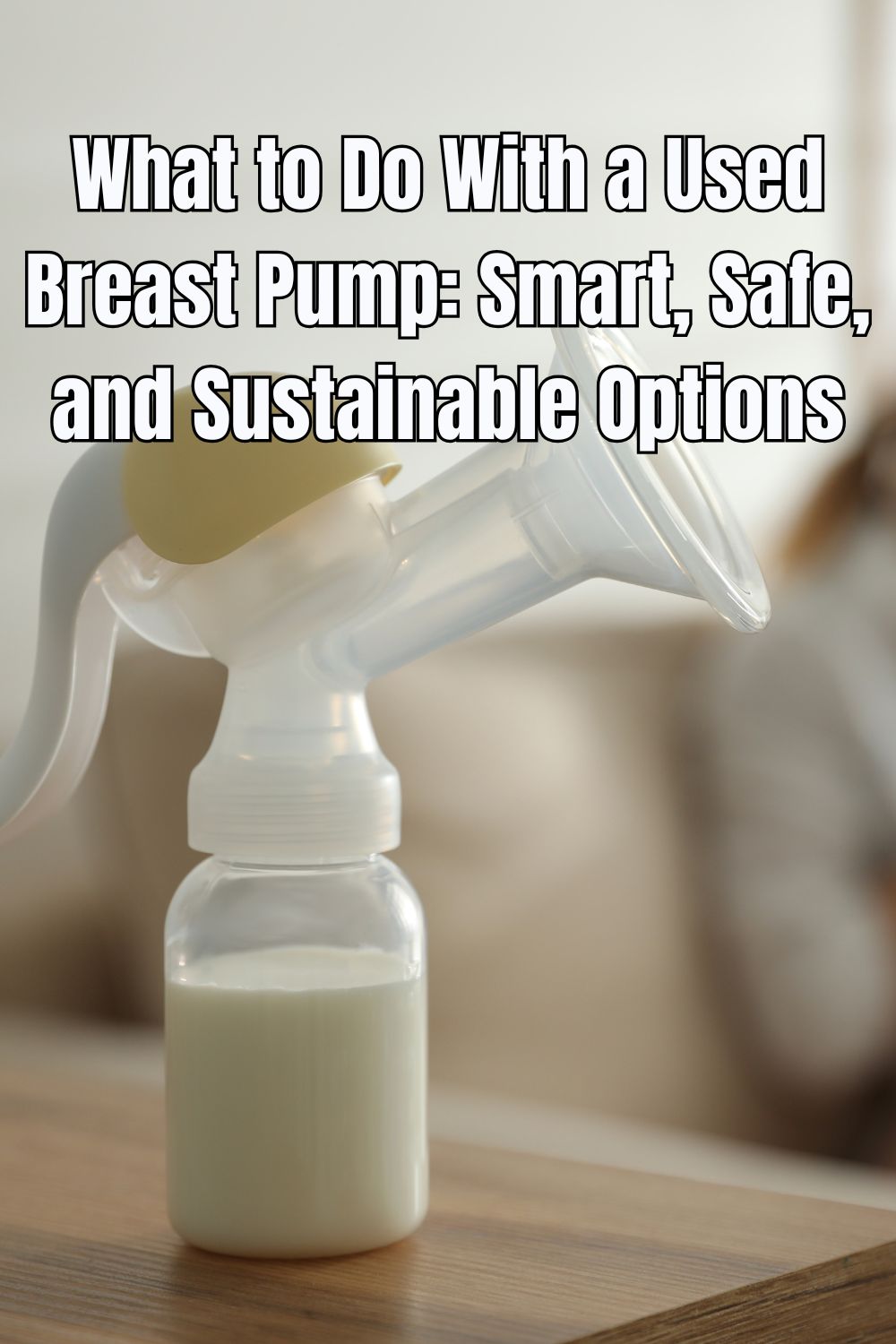
What to Do With a Used Breast Pump: Smart, Safe, and Sustainable Options
Breast pumps are a lifeline for many moms, but once you no longer need yours, you might wonder what to do with it. Whether it’s from your first child, an upgrade, or simply the end of your breastfeeding journey, there are several ways to know what to do with a used breast pump. You can give your pump a second life—safely, sustainably, and smartly.
From reusing for your next baby to recycling or donating, this guide will walk you through the safest and most eco-friendly options for handling your used breast pump.
Can You Reuse a Breast Pump for Your Next Baby?
If your pump is still in good condition, you might be able to reuse it for another child. Most closed-system pumps—like many newer wearable pumps—are designed to prevent milk from entering the motor, making them hygienic and safe for reuse. In contrast, open-system pumps don’t have that barrier, which means milk particles can enter the tubing or motor and potentially harbor bacteria or mold.
Before reusing your pump, check:
- Manufacturer’s guidelines on lifespan and reuse.
- Warranty limits—some motors are only designed to last through one child’s feeding journey.
- Condition of parts—flanges, tubing, valves, and membranes should be replaced.
If you’re unsure about your pump’s safety for reuse, it’s better to replace parts or invest in a new unit.
What Parts Should Always Be Replaced
Even if the motor is in perfect condition, some parts of a used breast pump should always be swapped out for new ones. These include:
- Breast shields/flanges – Directly contact your skin and milk.
- Valves and membranes – Affect suction efficiency and hygiene.
- Tubing – Can collect condensation and grow mold.
- Milk collection bottles – May wear down over time, especially plastic.
These parts are relatively affordable and widely available. Replacing them ensures your pump operates at peak performance while staying sanitary.
Is It Safe to Donate or Share a Used Pump?
Donating a used pump can be a wonderful way to help another mom, but safety is key.
- Closed-system pumps can usually be donated after thorough sanitization.
- Open-system pumps are not generally recommended for donation due to hygiene risks.
If you plan to donate, always:
- Replace all washable parts with brand-new ones.
- Fully sanitize any components that come in contact with milk.
- Clearly communicate the pump’s usage history.
Some organizations that may accept gently used pumps include women’s shelters, local lactation consultants, and non-profits supporting new mothers.
How to Properly Sanitize a Secondhand Pump
Before you reuse or donate a breast pump, thorough sanitation is key to ensuring it’s safe for the next user. Even if the pump looks clean, microscopic milk residue can harbor bacteria, mold, or viruses. Follow these steps to clean it effectively:
- Disassemble All Removable Parts: Take apart all detachable components, such as flanges, bottles, valves, membranes, tubing, and connectors. Check your pump’s manual to ensure you’re not missing any small pieces that could trap milk residue.
- Wash With Warm, Soapy Water: Use a mild, fragrance-free dish soap and warm water to wash each piece. A dedicated brush or sponge (used only for baby items) can help remove milk film and prevent cross-contamination with other dishes.
- Rinse Thoroughly: Rinse each part under running water to remove all traces of soap. Soap residue can irritate a baby’s mouth and affect milk taste.
- Sanitize With Heat: For parts that can withstand high temperatures (check the manufacturer’s instructions), boil them in water for at least 5 minutes or use a steam sterilizer. This step kills lingering germs that washing alone might miss.
- Air-Dry Completely: Place washed items on a clean, dry towel or a dedicated drying rack. Avoid towel-drying with cloths that may carry lint or bacteria. Make sure all parts are completely dry before reassembling to prevent mold growth.
- Clean the Motor Unit Safely: Never submerge the electric pump’s motor in water. Instead, wipe the exterior with a soft cloth dampened with a baby-safe disinfectant or 70% isopropyl alcohol. Ensure it’s fully dry before plugging it back in.
Extra Tip: If the pump has tubing, check for condensation or mold. Tubes can often be replaced inexpensively and should be swapped out if they cannot be fully cleaned and dried.
Where to Donate a Gently Used Breast Pump
If your pump is in good working condition and safe to share, these organizations often welcome donations:
- Local hospitals with breastfeeding support programs.
- Non-profits like the Human Milk Banking Association of North America (for eligible cases).
- Community centers and women’s shelters.
- Social media mom groups where you can connect directly with mothers in need.
Before donating, confirm the organization’s policies—some can only accept certain models or brands.
Recycling Options for Broken or Outdated Pumps
If your pump no longer works or is too old to donate, recycling is the next best option. Many pumps contain plastics and small electronic components that shouldn’t go in regular trash.
Here’s how to recycle responsibly:
- Contact the manufacturer – Some companies, like Medela, have take-back recycling programs.
- Check local e-waste centers – They may accept small electronics like pump motors.
- Separate recyclable parts – Plastic bottles, tubing, and shields can sometimes go into regular recycling bins (check local guidelines).
By recycling, you keep unnecessary waste out of landfills and help protect the environment.
Creative Ways to Repurpose Pump Accessories
Even if your pump’s motor has given out, some parts can find a second life in unexpected ways:
- Bottles – Use for homemade baby food storage or craft supplies.
- Cooler bags – Repurpose for carrying snacks, lunch, or travel essentials.
- Ice packs – Perfect for injuries or keeping drinks cold.
- Tubing – Can be used in science experiments, crafts, or as plant watering systems.
These small acts of creativity extend the usefulness of your investment.
When It’s Time to Let It Go: Disposal Tips
If your pump is beyond repair and recycling options aren’t available, follow these safe disposal steps:
- Remove batteries and recycle them separately.
- Break down the pump into smaller components for easier waste sorting.
- Check local regulations—some areas have special disposal rules for electronics.
While tossing a pump might feel bittersweet, it’s sometimes the most practical choice when it’s truly at the end of its life.
Conclusion
Whether you’re upgrading, done with breastfeeding, or simply decluttering, knowing what to do with used breast pump equipment can make a big difference for your wallet, other mothers, and the environment. From reusing for your next child, donating to help others, recycling responsibly, or getting creative with repurposing parts, there are many ways to give your pump a meaningful second life. By choosing a safe and sustainable option, you ensure that your breastfeeding journey continues to have a positive impact—even after it’s over.
Leave A Reply!