Uncover what happens during FUE hair restoration. Learn the 4 steps explained for a smooth and effective procedure.
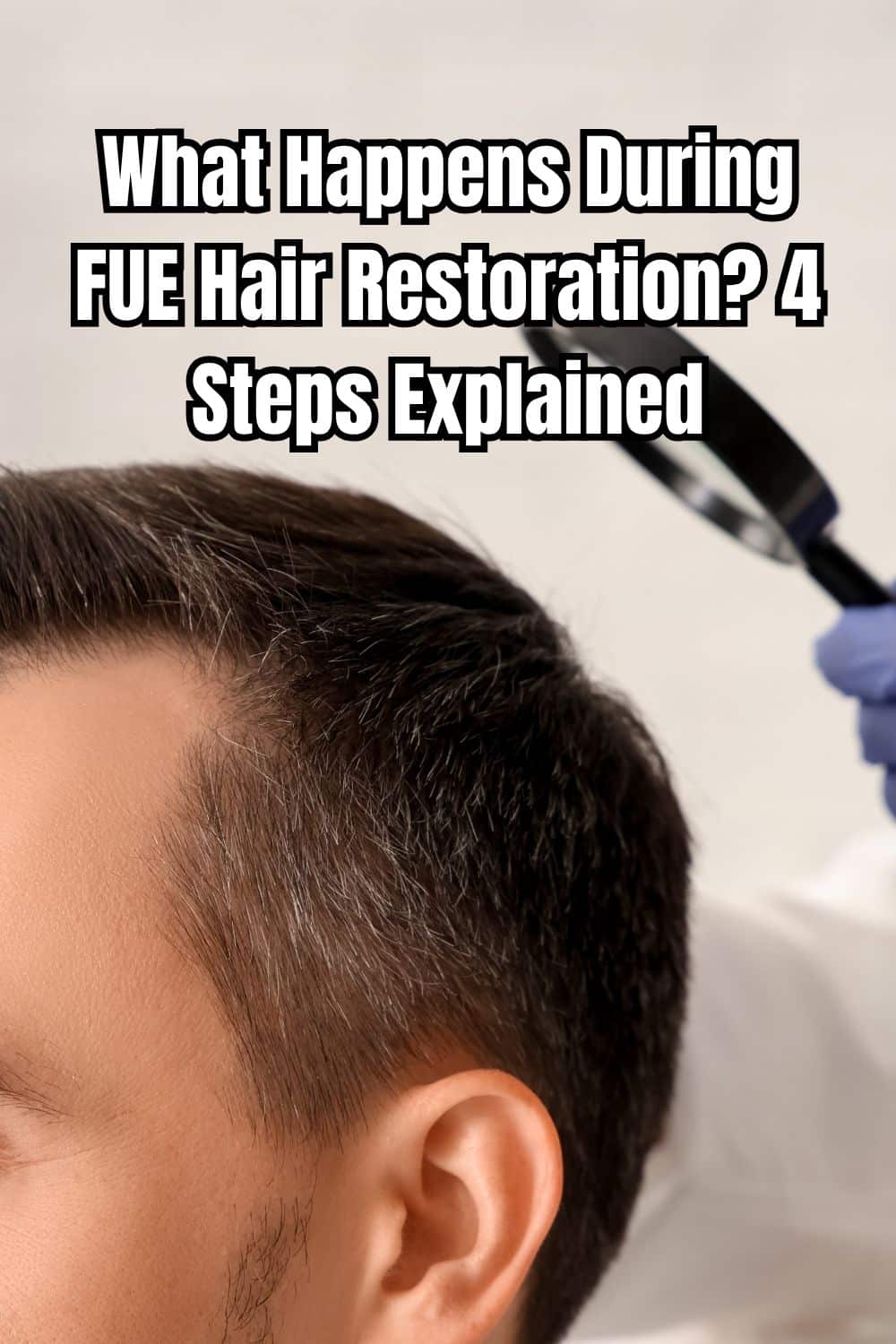
What Happens During FUE Hair Restoration? 4 Steps Explained
Hair loss can feel gradual at first. A little thinning here, a widening part there. Then one day, it’s hard to ignore. If you’ve been looking into solutions, you’ve probably come across FUE hair restoration. It’s described as less invasive, more precise, and easier to recover from compared to older methods.
But what actually happens during the procedure? In a city like Austin, where advanced aesthetic treatments are widely available, understanding the process step by step can take away a lot of the uncertainty. Here’s a clear breakdown of how FUE works and what you can expect from start to finish.
1. Preparing the Donor Area and Planning the Hairline
Before anything begins, the focus is on preparation. This part matters more than most people expect. The donor area, usually at the back or sides of your scalp, is trimmed so the follicles can be accessed clearly. These areas are chosen because the hair there tends to be more resistant to thinning over time. Local anesthesia is applied to keep you comfortable, so while you may feel some movement or pressure, pain is typically minimal.
At the same time, the hairline design is carefully mapped out. This is not rushed. It involves looking at your facial structure, age, and how your hair might continue to change in the future. A well-planned hairline should look natural, not just now, but years down the line.
In practice, this step often sets the tone for the entire result. A rushed or poorly planned design is hard to fix later, which is why experienced providers take their time here.
2. Extracting Individual Hair Follicles
This is where the “follicular unit extraction” part of FUE comes in. Using a small, precise tool, individual hair follicles are removed one by one from the donor area. Unlike older strip methods, there’s no large incision involved. Instead, tiny circular extractions are made, which tend to heal quickly and leave minimal visible scarring.
People exploring hair restoration in Austin are drawn to the FUE method first because of this detail alone. It allows for shorter hairstyles without the concern of a linear scar at the back of the head. Hair restoration centers like Face Austin outline how the follicles are harvested carefully so they remain healthy and viable for transplantation. The process is steady and methodical, which is why sessions can take several hours depending on how many grafts are needed.
That slower pace is intentional. Each follicle is handled individually, and that level of care plays a big role in how well the transplanted hair grows later on.
3. Preparing and Placing the Grafts
Once the follicles are extracted, they are not placed immediately without preparation. Each graft is sorted and examined to ensure it’s intact and suitable for transplantation. This step helps maintain consistency in the final result, especially when recreating a natural-looking hairline or filling in thinner areas.
Small channels are then created in the recipient area. The angle, depth, and direction of these channels matter more than most people realize. Hair does not grow straight out in all directions, it follows a pattern. Recreating that pattern is what makes the outcome look natural rather than obvious.
The follicles are then placed one by one into these channels. It’s a detailed process that requires patience and precision. Rushing this stage can lead to uneven density or an unnatural appearance, so it’s handled with care.
What we’ve seen is that this stage often takes just as long, if not longer, than the extraction itself. It’s where artistry meets technique.
4. Recovery and What Happens After the Procedure
Once the procedure is done, the process isn’t over. Recovery plays a big role in the final outcome.
In the first few days, you might notice some redness or small scabs in both the donor and recipient areas. This is normal and part of the healing process. Most people can return to light activities within a few days, though you’ll need to follow specific aftercare instructions to protect the newly placed grafts.
Within a few weeks, the transplanted hairs often shed. This can be surprising if you’re not expecting it, but it’s a normal phase called “shock loss.” The follicles remain in place beneath the skin, and new hair growth typically begins a few months later.
According to research published in Plastic and Reconstructive Surgery, FUE is associated with high graft survival rates and minimal complications when performed correctly. That said, results take time. Noticeable improvement usually starts around three to four months, with fuller results developing over the course of a year.
Patience is part of the process. There’s no instant transformation, but gradual, steady growth that blends in naturally with your existing hair.
Final Thoughts
FUE hair restoration is detailed work from beginning to end. It’s not just about moving hair from one place to another. Each step, from planning the hairline to placing individual grafts, plays a role in how natural the final result looks.
Understanding what happens during the procedure can make the decision feel less overwhelming. You know what to expect, how long it takes, and why each stage matters. For many people, that clarity is what turns curiosity into confidence.
Leave A Reply!