Understand what a car wreck attorney does that insurance companies cannot do. Discover the vital differences between the two.
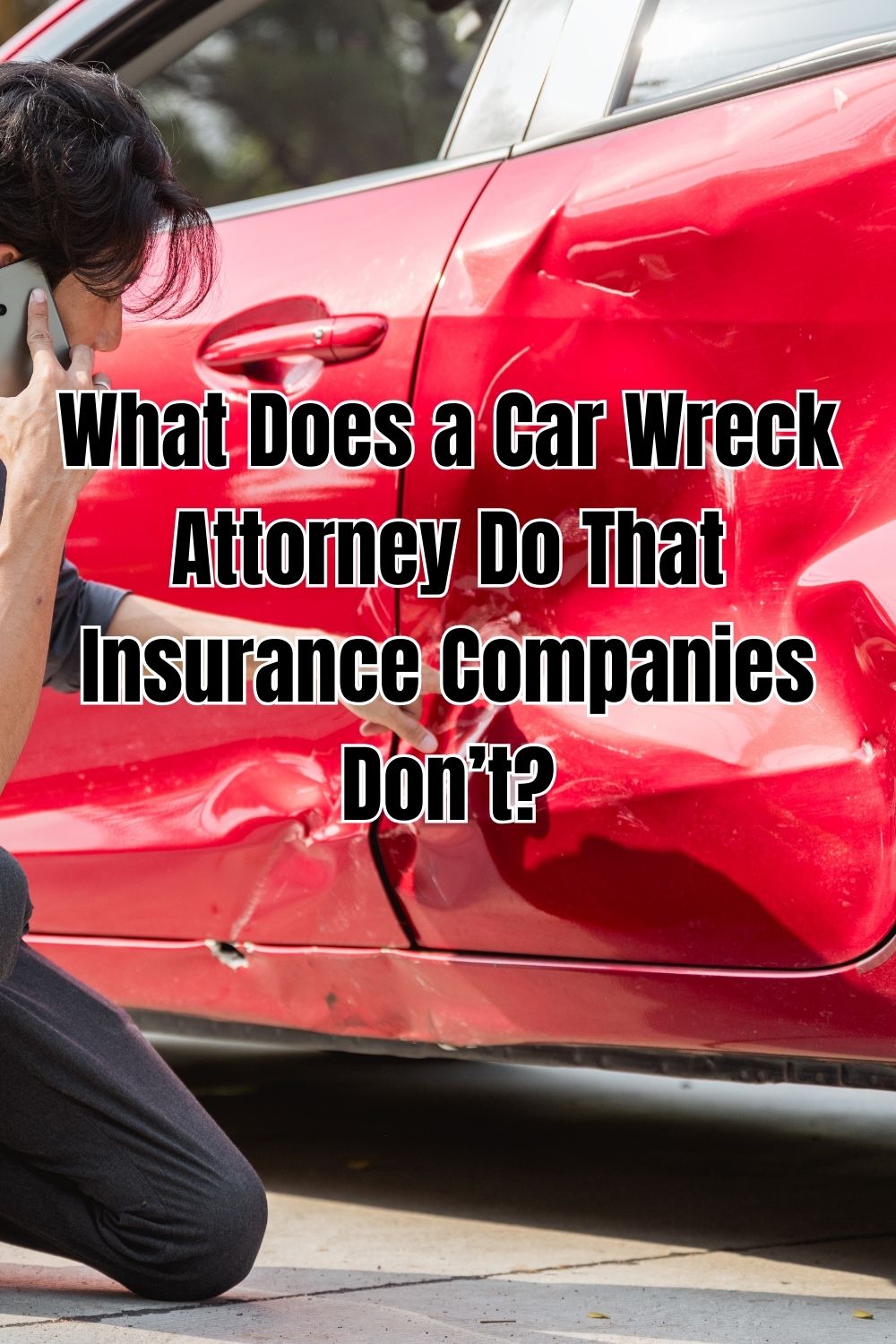
What Does a Car Wreck Attorney Do That Insurance Companies Don’t?
After a car accident, the first phone call usually comes from an insurance adjuster. The tone is calm and professional, and the conversation feels procedural. For many drivers in Las Vegas, that initial contact creates a sense of reassurance — someone is documenting the incident, asking questions, and moving the claim forward.
What isn’t always obvious, however, is that insurance companies and attorneys serve fundamentally different roles. One evaluates financial exposure on behalf of the company. The other evaluates legal exposure on behalf of the injured person. That difference shapes every step that follows.
Below are several ways their responsibilities diverge in meaningful ways.
1. They Investigate to Build Leverage, Not Just Process a Claim
Insurance companies collect details to decide what falls within policy responsibility. Their review typically includes driver statements, repair estimates, and initial medical records, all filtered through internal claim frameworks.
This is often when individuals begin considering a Las Vegas car wreck attorney, especially if responsibility remains disputed or the claim starts to feel stalled. At that point, the focus tends to shift toward understanding how the incident can be interpreted beyond the basic report.
A closer examination may involve reconstructing timelines, reviewing impact points, or identifying gaps between documented events and physical evidence.
To make a strong case, this stage is often approached as part of a larger evidentiary process at firms like Cogburn Davidson, where each detail is evaluated for how it might influence liability discussions rather than simply confirm them. The difference emerges in approach, where one validates information and the other questions it.
2. They Evaluate Long-Term Impact, Not Just Immediate Costs
Insurance adjusters commonly assess claims based on documented expenses available at the time of review. Emergency care, initial treatment, and property damage form the early foundation of most calculations.
Attorneys look further ahead. Lost income, reduced earning capacity, ongoing therapy, and future procedures often require careful projection supported by medical opinion. These elements do not always appear clearly in the first few weeks after an accident, yet they can significantly affect overall compensation.
Short-term bills rarely tell the full story when injuries evolve over time.
3. They Prepare Clients Before Statements Are Given
Recorded statements can seem routine, yet wording matters more than most people realize. Small inconsistencies or uncertain phrasing may later be interpreted as admissions.
Attorneys guide clients through this stage carefully. They clarify what information must be shared, what documentation should be gathered first, and how to avoid speculation. That preparation reduces the likelihood of statements being used out of context during negotiations. Clarity at the beginning prevents complications later.
4. They Look Beyond the Obvious Liable Party
In some accidents, liability rests squarely with one driver. In others, responsibility may extend to additional parties — particularly in commercial vehicle, rideshare, or multi-vehicle collisions.
Insurance companies tend to focus on the insured driver associated with the policy in question. Attorneys examine whether employers, vehicle owners, maintenance providers, or third-party contractors contributed to the event.
Expanding the liability picture can change both strategy and potential recovery. A broader investigation often reveals a more accurate narrative.
5. They Resist Pressure to Settle Too Quickly
Early settlement offers are not uncommon, especially when liability appears straightforward. The amount may seem reasonable, particularly when immediate bills feel overwhelming.
Attorneys assess whether an offer accounts for the full scope of injury and recovery. They consider the medical trajectory, potential setbacks, and the possibility of ongoing limitations before recommending resolution. Accepting an early offer typically closes the door to future claims tied to the same incident, even if new symptoms arise. Timing matters in ways that are not always obvious during the first weeks after a crash.
6. They Prepare Every Case as Though Trial Is Possible
Although most car accident claims settle before reaching court, preparation for litigation strengthens negotiation posture. Insurance companies assess risk carefully, and the likelihood of a case proceeding to trial influences their evaluation.
Attorneys who prepare thoroughly — gathering expert opinions, organizing documentation, and structuring arguments — signal readiness. That signal can affect how seriously a claim is treated during settlement discussions. Preparation alone can shift leverage.
7. They Manage Strategy, Not Just Paperwork
Accidents disrupt more than vehicles. Medical appointments, missed work, and financial uncertainty create pressure that extends beyond documentation.
Insurance companies manage files. Attorneys manage direction.
They coordinate records, track deadlines under Nevada law, oversee communications with adjusters, and ensure procedural requirements are met. This strategic oversight helps prevent avoidable missteps that might weaken a claim later.
Structure brings stability during an otherwise uncertain period.
Conclusion
After a car accident in Las Vegas, it can feel as though the insurance company is guiding the process. In some cases, that may be sufficient. In disputed or high-impact claims, however, the distinction between processing and advocating becomes clear.
Insurance companies evaluate risk from their perspective. Attorneys build cases from yours. Understanding that difference does not require conflict, but it does require awareness.
When liability is contested or long-term consequences are uncertain, the approach behind the scenes often determines the outcome far more than the initial collision itself.
Leave A Reply!