Explore what are the most comfortable fabrics for children with sensory needs and how they support better clothing choices.
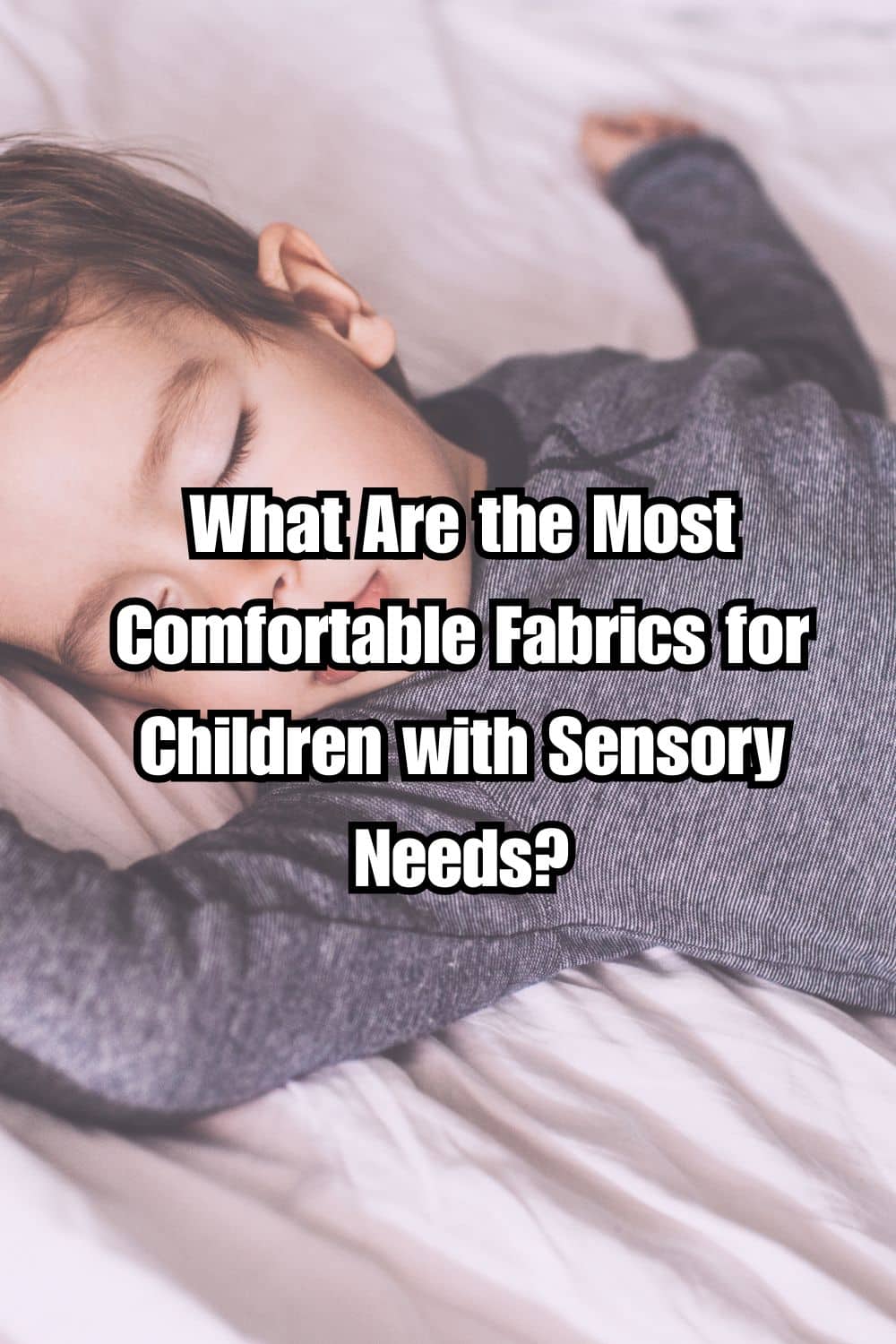
What Are the Most Comfortable Fabrics for Children with Sensory Needs?
Children with sensory needs often face challenges with clothing that feels rough, itchy, or too restrictive. Fabric choice can make a major difference in their daily comfort, as the right materials help reduce irritation and support a calmer experience with clothing. The most comfortable fabrics for children with sensory needs are those that feel soft, breathable, and gentle on the skin.
Parents and caregivers want clothing that not only feels good but also supports movement and everyday wear. Different fabrics provide unique benefits, from softness and breathability to stretch and durability. By understanding these options, families can make clothing choices that create a more comfortable and stress-free routine.
Organic Cotton: Soft, breathable, and ideal for sensitive skin
Organic cotton is one of the most trusted fabrics for children with sensory needs. It feels soft against the skin, which helps reduce irritation and discomfort. Because it is grown without synthetic pesticides, it is also gentler for kids who struggle with allergies or sensitivities.
This fabric allows air to move easily, which keeps the body cool and dry. Parents often choose it for everyday wear since breathability can make a big difference for children who are sensitive to heat or texture.
Clothing made from organic cotton usually avoids harsh dyes and chemicals. This makes it a safer choice for kids whose skin reacts to treated fabrics. For families looking for comfortable sensory clothing for kids, organic cotton is often a preferred option.
The durability of organic cotton also matters. It holds up well after many washes, so the clothes stay soft and wearable over time. This helps children feel consistent comfort each day without the fabric becoming rough.
Bamboo Fabric: Naturally hypoallergenic and moisture-wicking
Bamboo fabric offers a soft and smooth texture that feels gentle against sensitive skin. Children who struggle with irritation often find comfort in its natural fibers, which resist common allergens and reduce the chance of itching or rashes.
This fabric also manages moisture well. It pulls sweat away from the skin and spreads it across the surface, which helps it dry faster. As a result, children stay more comfortable during play or rest, even in warmer conditions.
Another benefit lies in its breathability. Air moves easily through the fibers, which helps regulate body temperature. This makes bamboo suitable for both active wear and everyday clothing.
Parents also value its durability. The fabric holds its softness through repeated washes, so it continues to feel comfortable over time. For children with sensory needs, this consistency can make a big difference in daily comfort.
Modal: Smooth texture that reduces irritation and improves comfort
Modal fabric has a soft, silky surface that feels gentle against the skin. Its smooth fibers reduce friction, which helps lower the chance of irritation for children who are sensitive to rough textures. This makes it a good option for kids who struggle with scratchy or stiff materials.
The fabric also allows air to pass through, which helps maintain comfort throughout the day. Because it is breathable, children are less likely to feel overheated or uncomfortable during play or rest.
Another benefit is its ability to absorb moisture without feeling heavy. This feature helps keep the skin dry, which can be especially helpful for children with conditions like eczema.
Parents often value modal for its balance of softness and durability. Clothes made with this fabric can withstand regular wear while still feeling gentle, which supports comfort in both everyday use and sleepwear.
Tencel: Eco-friendly with excellent breathability and softness
Tencel is a fabric made from wood pulp through a process that reuses most of the water and solvents. This makes it more eco-friendly compared to many other fibers. Families who value both comfort and sustainability often find it appealing.
The fabric feels smooth and gentle against the skin. Its softness can reduce irritation, which may help children with sensory sensitivities feel more at ease. Unlike rougher materials, it does not create as much friction on the skin.
Tencel also allows air to pass through easily, which helps keep the body cool. This breathability can prevent discomfort from heat or sweat, especially during sleep or active play.
Another benefit is its ability to absorb moisture without feeling damp. This helps clothing and bedding made from Tencel stay fresh and comfortable longer. For children who are sensitive to changes in texture, this steady comfort can make a difference.
Cotton-Spandex Blends: Stretchy, gentle, and adaptable to movement
Cotton-spandex blends combine the softness of cotton with the flexibility of spandex. This mix creates a fabric that feels gentle on the skin while allowing easy movement. Children with sensory needs may benefit from this balance of comfort and stretch.
The cotton fibers provide breathability and a smooth touch, which can reduce irritation. At the same time, spandex adds shape retention so clothing does not feel loose or baggy after wear. This can help children feel more secure in their clothes.
Because the fabric stretches with the body, it supports active play without restricting motion. For children who dislike tight or stiff fabrics, this blend can offer a more natural fit.
Another advantage is that the fabric often resists wrinkles and holds up well to frequent washing. Families may find this practical, especially for everyday clothing that needs to look neat and feel comfortable.
Conclusion
Soft, breathable fabrics such as cotton, bamboo, and linen often meet the needs of children with sensory sensitivities. These materials allow airflow, reduce irritation, and feel gentle on the skin.
Parents and caregivers can also look at texture, weight, and stretch to support comfort throughout the day. Smooth seams and tag-free designs add to the ease of wear.
By focusing on fabrics that feel light, soft, and non-restrictive, children are more likely to stay comfortable in daily routines. This simple attention to material choice can make clothing less stressful and more supportive of their needs.
Leave A Reply!