Explore ways families can stay financially stable after an accident. Protect your finances amidst unexpected challenges.
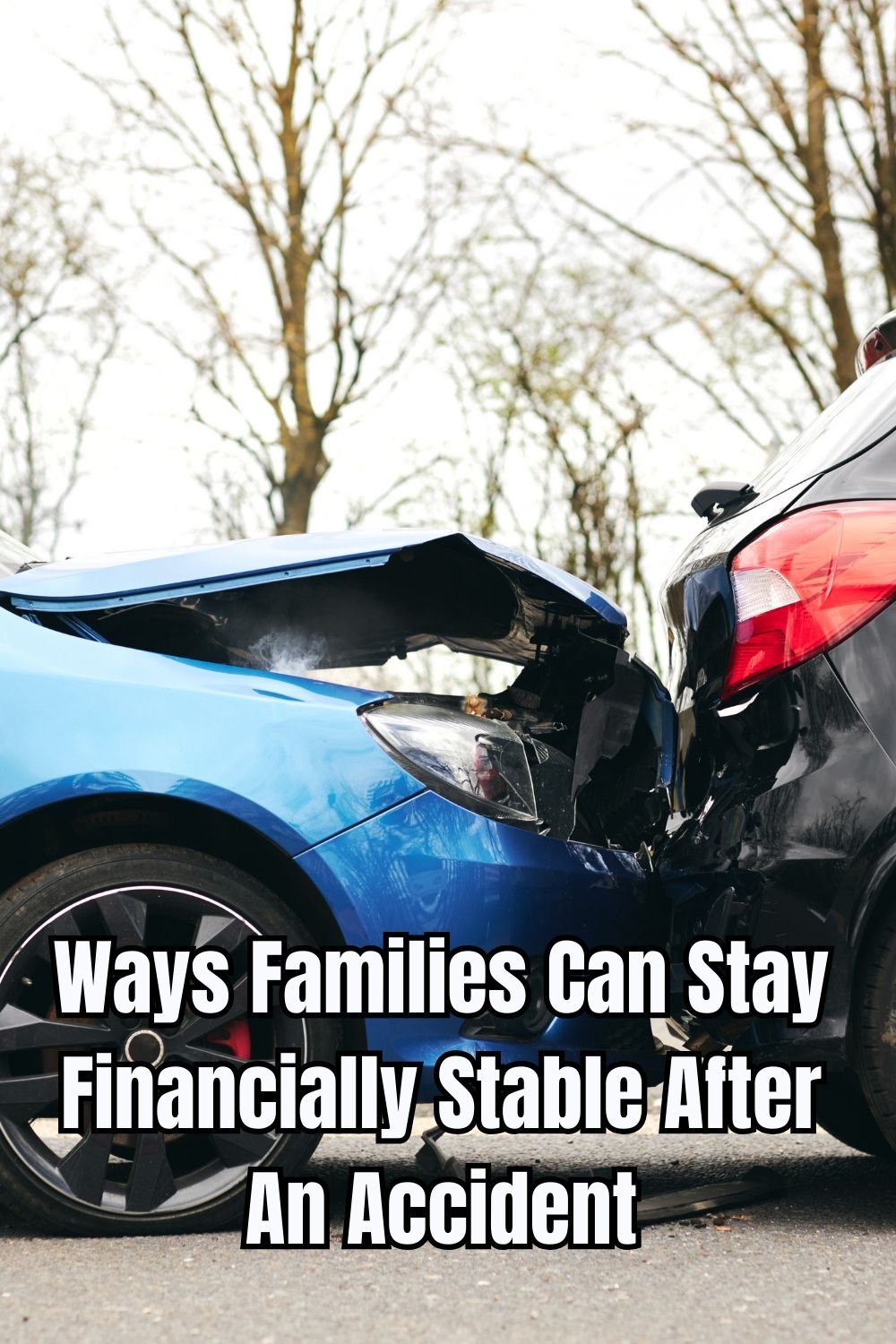
Ways Families Can Stay Financially Stable After An Accident
Life is rarely predictable, so sometimes when you plan your budget around regular expenses, like housing, groceries and more, you can be faced with unexpected events that disrupt your plans. This can look like an accident or a serious illness that can affect your income ability and introduce even new expenses at the same time.
For many households, the financial impacts of these events can be just as challenging as the emotional and physical adjustments it requires. When you start thinking about potential medical costs, accessibility modifications at home, and even changes in your employment, it’s easy to see that an accident can suddenly reshape your family’s financial priorities.
So, how can you protect your financial stability?
How an Unexpected Accident Can Affect Your Household Budget
An expected accident can place immediate pressure on the family budget, especially when you are left dealing with both reduced income and increased expenses.
What kind of accident can happen to you? Some accidents may be your own doing, such as a gym injury, for example. But others can be the result of someone’s mistake, and they can have long-term consequences on your health and ability to work, whether temporary or permanent. Something as common as a slip and fall accident in the UK, which accounts for 30% of all workplace accidents, could force you to reduce your working hours in order to manage recovery or provide care for a family member. The bottom line: After an accident, there can be less money coming into the household.
But just because one of you can’t work as much as they used to, that doesn’t mean that costs disappear. In fact, they tend to multiply when you include medical appointments, treatments, rehab, specialist equipment, etc. Even everyday logistics can become more expensive, especially with transport to specialist facilities.
The Importance of An Emergency Fund
Having an emergency fund can help your family. Bear in mind that the emergency fund is designed to be used as a savings reserve to cover unexpected costs or income loss.
Ideally, you should build an emergency fund that covers 3 to 6 months of essential living expenses, like mortgage payments, utilities, groceries, and insurance.
Having this financial cushion can make a big difference as it gives you sufficient breathing room to consider your options without panicking. Also, it means that you are not relying on credit cards or loans to manage sudden expenses, so this protects your future, too.
Building an emergency fund takes time, so this isn’t something you can start building overnight. But if you begin small and stay consistent with savings, you can create a financial buffer that will provide you peace of mind when you need it.
Budgeting After an Unexpected Event
It becomes crucial to review and adjust the household budget after a major accident. You may want to account for new ongoing costs and declining income. Typically, when the needs of the household are growing, it’s time to design a new budget. This means considering where you could save money and where you need to spend more.
You may also want to investigate whether there is support available, especially if the injury has led to permanent or temporary disability. Indeed, you may be eligible for financial support such as Personal Independence Payment (PIP), Employment and Support Allowance (ESA), or even assistance through local council programmes. These can help manage the new budget, too.
Insurance and Financial Protection
Health insurance and income protection can reduce the burden by covering some of the costs you will face. Yet, the level of support, especially when it comes to specialist healthcare expenses, can be limited. With the NHS, this can mean you can be excluded from some health programmes that could be beneficial because of costs.
Income protection insurance, on the other hand, can be activated when someone is unable to work as a result of an injury. While this type of policy typically provides only partial income replacement, it can still help your family continue to cover their basic living expenses.
In the event of a fatal accident, life insurance is able to provide essential financial support.
The only problem with insurance policies is that you can’t take them after the event. You need to make sure they are active and apply to the specific accident you need financial support for. So, this can only be an option if insurance policies are already among your assets.
Making Compensation Payments Part of Your Family Finances
In some situations, you may receive financial compensation following an accident or a legal claim, It’s important to understand that compensation can come in different formats, such as it can be a single lump or it can be part of structured payments spread over time.
When the money is distributed in scheduled payments, this is called a structured settlement. Typically, you can expect these payments on a monthly or yearly basis, or sometimes even tied to specific milestones that have been pre-agreed on.
Structured settlements are designed to provide long-term financial stability. Instead of receiving a large sum only once, you benefit from predictable payments that can support ongoing needs, such as medical costs or changes in your living expenses as a result of an accident.
The goal is to ensure financial support that continues well into the future. So, in a way, regular payments are easier to plan in household budgets because they avoid the risk of spending the entire settlement too quickly.
What if You Need The Whole Compensation in One Lump Sum?
Sometimes, you are receiving structured settlement payments, but you would prefer having access to a larger amount of money sooner.
Imagine a situation where you need funds to adapt the home for accessibility after a life-changing injury, for example. In cases like these, it may be possible to convert some or all of the future payments into a lump sum. Structured settlement companies specialise in helping individuals explore these options.
A service such as Paymaster.co works with individuals who wish to convert their structured settlement payments into a lump sum. The company will then purchase some of the remaining scheduled payments in exchange for a substantial payment.
Nobody expects to get into a life-changing accident. But if this happens, you need to understand how to prepare your finances for this eventuality.
Leave A Reply!