Explore the types of child custody arrangements and learn about sole custody versus joint custody for your children’s well-being.
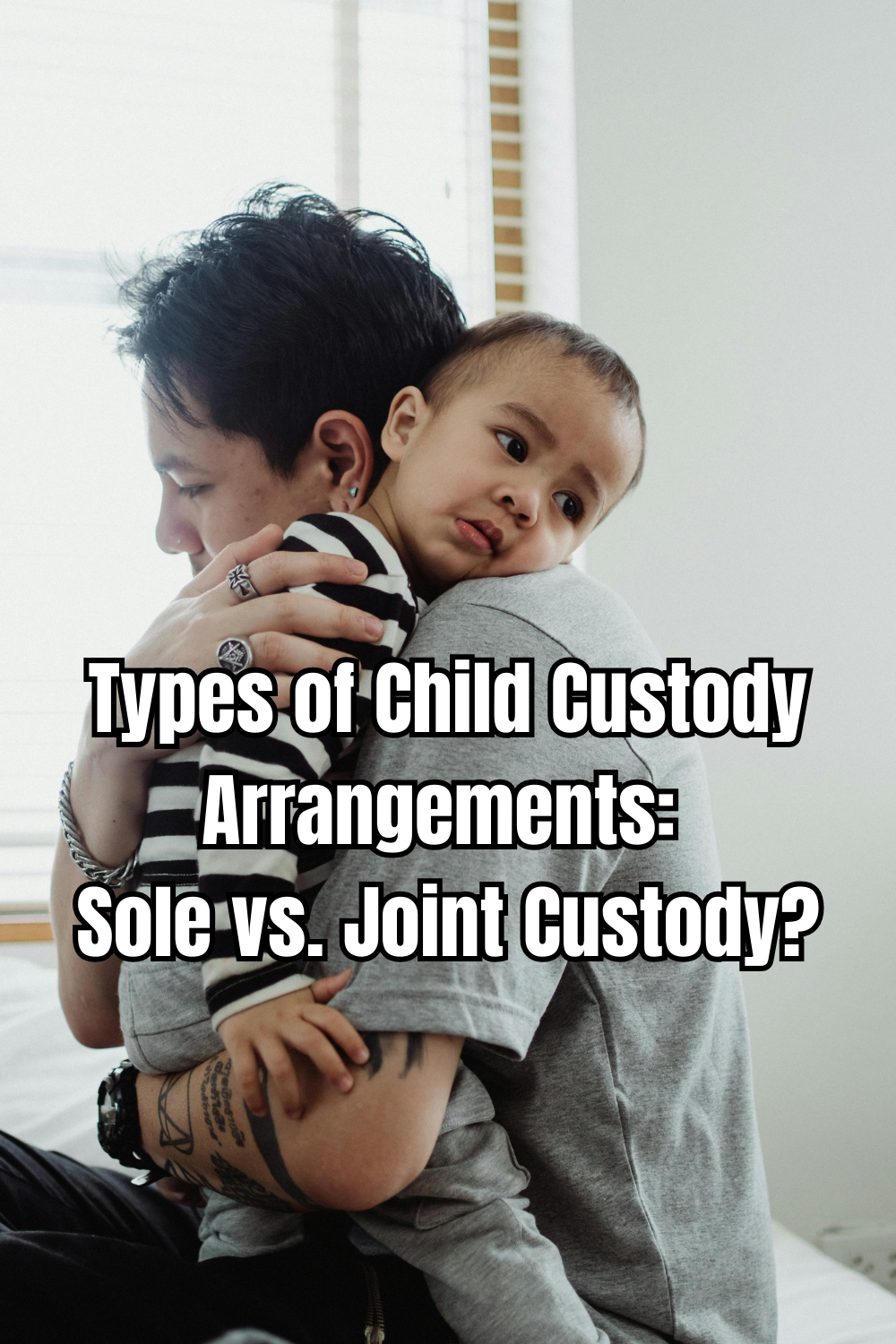
Types of Child Custody Arrangements: Sole vs. Joint Custody
Did you know that in the United States, things are shifting regarding the custody of children, with an increasing number of parents sharing physical custody of their children?
In case of child custody problems, you must be aware of the difference between sole custody and joint custody, as they have varying implications for both parents and the child as regards the responsibilities and rights.
Sole custody implies supporting stability, whereas joint custody promotes collaboration between parents and requires following the definite joint custody rules. But which type of custody does an individual child need? Let’s get into these custody types and the factors that are considered in these decisions.
Understanding Sole Custody
When parents cannot arrive at an agreement over custody, it becomes helpful to know about the aspects of sole custody. Sole custody means that one of the parents does have the sole right with regard to making major decisions concerning the child, such as those concerning education, health care, or religious intake. This option may be considered in less desirable circumstances for the child, but most times, it is considered when the child’s welfare is at stake.
Sole custody does not literally mean that the other parent is completely barred, so that perhaps such parent may have visitation rights. Try to do everything possible that will promote the best interests of the child so he or she feels safe and loved. As you form a support system in the years ahead, it will guide you in backing out of tangled times and will help both your child and you feel a little included during this transition.
Understanding Joint Custody
Joint custody presents the situation of cooperative parenting after separation, with the parents sharing both the decision-making and physical custody of the child. This arrangement expects the parents to develop a teamwork spirit that, in turn, will help the child’s emotional well-being. Through joint custody, major decisions such as those for education and health are made jointly by both of you to make sure that your child’s perspective is considered in all major decisions concerning his or her needs. You will probably alternate the living arrangements to provide your child with an opportunity to maintain a close relationship with both parents.
These arrangements and the facilitation of co-parenting currently create a stable foundation that emphasizes both parents’ willingness to cooperate. Communication and flexibility are two heads of the same coin in co-parenting under joint custody arrangements, all of which will lead to a feeling of belonging for the child in both homes and a feeling of security.
Marital agreements lawyer C. David Martinez says that whether you want to set legal standards before getting married or need to deal with changing situations during your marriage, marital agreements can provide the protection you need.
Benefits of Sole Custody
Joint custody is usually the chosen option of parents, but sole custody has benefits of its own that allow it to ease the process of making decisions and provide consistency for the child. In the case of sole custody, the parent with custody will make huge decisions without informing or consulting the noncustodial parent. It could build an environment in which the child feels safe and protected.
The parent is capable of developing routines around the child so that the child gets a sense of belonging and stability. Such scenarios can reduce the risk of conflict to ensure that the conflicting party can focus on their efforts in providing an emotional foundation to the child. This will ensure that you do not go through any loud arguments between you and your child, which will ensure that you have a rather clutter-free environment. In this situation, the child will grow up in a loving and stable environment.
Benefits of Joint Custody
Some parents worry about painful matters relating to sharing custody, but cooperating does wonders for the child’s welfare. Keeping both parents active establishes an environment of stability and security. Both parents having a healthy interrelationship would tremendously impart love and support for a child.
Cooperation between them is encouraged in order that parents can decide together on major issues like education and health care. It sets up an environment for kids to negotiate growing up in two worlds.
With shared parenting, the emotional and practical burden of parenthood decreases. Joint custody makes the child feel a sense of belonging and improves bonds with both parents.
Factors Influencing Custody Decisions
There are several factors to consider when determining which parent should receive custody of the child. Emotional needs form one of the main considerations.
Courts seek what is best for the child, so your ability to nurture and maintain a healthy environment matters. Then comes consideration of each parent’s ability to communicate and cooperate.
In case the parents can resolve issues, joint custody may be promoted. Another factor is the child’s age and their preferences, particularly as they grow older.
Next is both parents’ physical and mental health status. A background of abuse or neglect will be very important in determining the outcome of the decision.
Knowing these factors can guide you through the custody procedures as you pursue an agreement that favors the existence of the child.