Transform fire damage into opportunity with modern upgrades during restoration for enhanced safety and property value.
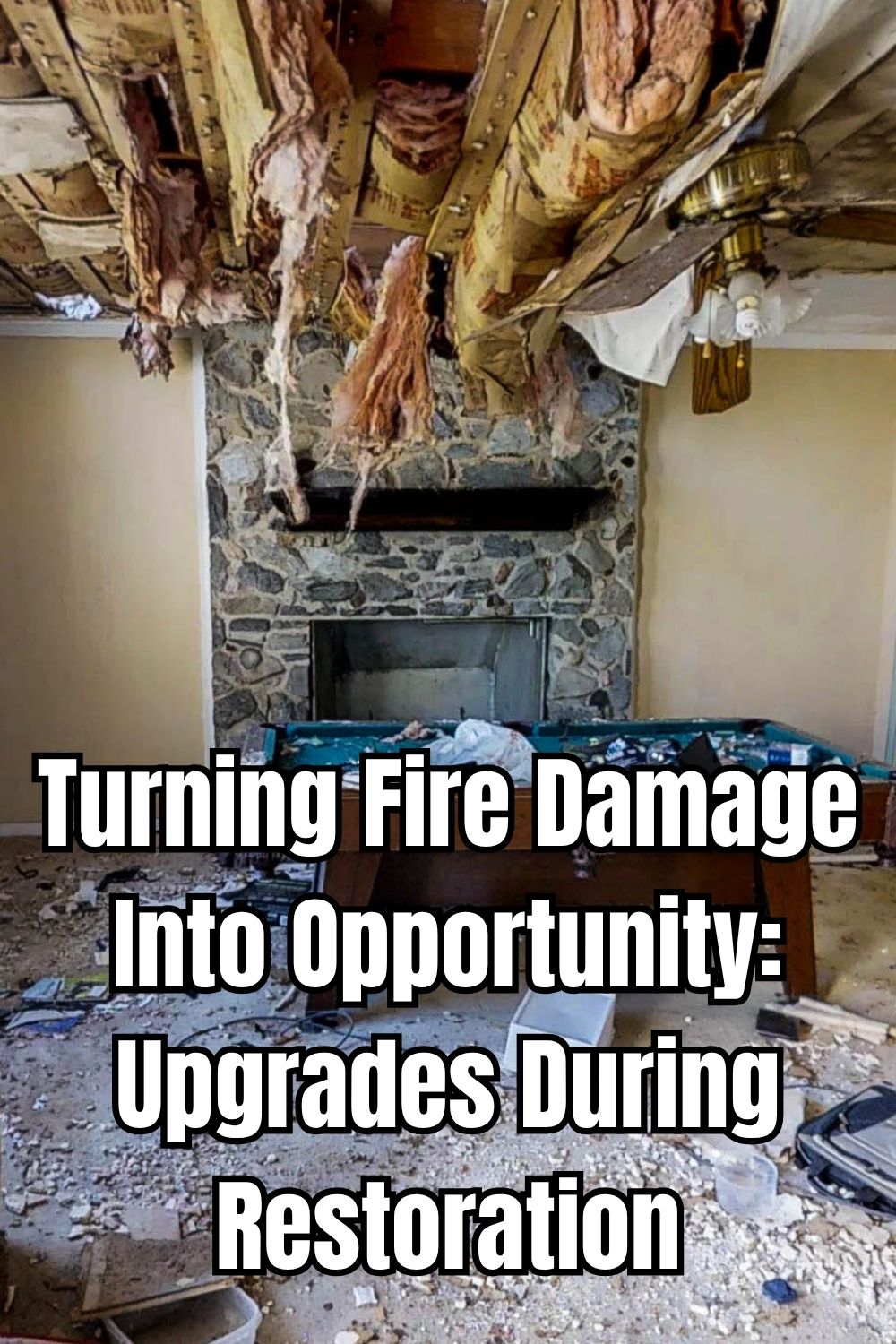
Turning Fire Damage Into Opportunity: Upgrades During Restoration
Key Takeaways
- Restoration after fire damage is the perfect time to implement modern upgrades.
- Enhancements can improve safety, boost energy efficiency, and increase property value.
- Sustainable materials and smart technologies help future-proof your home.
Table of Contents
- Assessing Structural Integrity
- Upgrading to Fire-Resistant Materials
- Enhancing Energy Efficiency
- Integrating Smart Home Technologies
- Implementing Sustainable Practices
- Improving Indoor Air Quality
- Landscaping for Fire Prevention
- Navigating Insurance and Financing
Experiencing fire damage can be overwhelming, but restoration presents a unique opportunity to not only repair what was lost but also improve and modernize your space. During the restoration process, homeowners can consider upgrades that enhance safety, efficiency, and overall comfort. From installing fire-resistant materials to updating electrical systems and improving insulation, restoration allows for thoughtful improvements that may not have been possible before the fire. These changes can help prevent future incidents and increase a property’s long-term value, turning a challenging situation into an opportunity for meaningful upgrades.
Working with experienced professionals ensures the process is thorough and aligns with current building standards. For those seeking guidance in the area, services like fire restoration Woodinville can help assess damage and recommend enhancements while restoring the home safely. By viewing fire damage as an opportunity rather than a setback, homeowners can transform their space into one that is stronger, safer, and more functional for years to come.
Assessing Structural Integrity
Restoration starts with a close examination of your home’s existing structure. A fire can weaken load-bearing walls, compromise the foundation, and damage support beams, often without clear visible signs. Hiring a licensed structural engineer to evaluate the property is essential. This assessment identifies hidden vulnerabilities and ensures that any repairs or upgrades are built on a solid, safe foundation. Addressing these structural issues early helps prevent future problems and ensures compliance with local building codes.
Upgrading to Fire-Resistant Materials
A vital part of the fire restoration process is replacing damaged materials with fire-resistant alternatives. For roofing, Class A fire-rated options such as metal panels or concrete tiles offer greater protection than traditional shingles. Siding upgrades to fiber cement or stucco add a non-combustible barrier that slows fire spread. Tempered glass windows are another wise addition, built to withstand intense heat and reduce the risk of shattering during fires. Each of these choices increases overall durability and often reduces long-term maintenance costs.
Enhancing Energy Efficiency
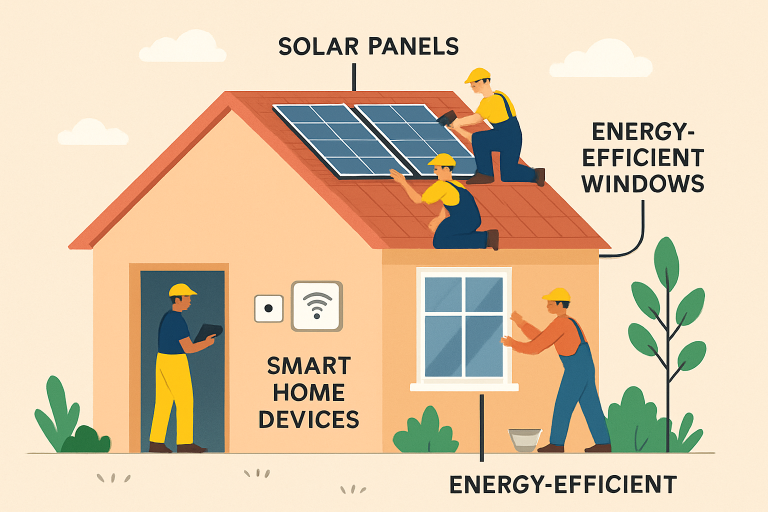
Restoration gives homeowners the chance to boost their property’s energy performance. Upgrading insulation to higher R-values makes homes more comfortable and reduces heating and cooling bills. Energy-efficient window replacements, especially those with double or triple-pane glass, keep indoor temperatures steady and block noise pollution. Upgrading outdated HVAC systems to ENERGY STAR-rated models dramatically reduces energy consumption and improves indoor air quality, leading to healthier, more affordable year-round living.
Integrating Smart Home Technologies
Today’s restoration projects often include smart home technology. Installing smart smoke detectors ensures that alerts are sent to mobile devices at the first sign of trouble, giving peace of mind and a faster emergency response. Automated lighting and climate control systems help you minimize wasted energy and personalize your comfort levels. Smart security devices, such as connected cameras and alarms, can also provide added safety and real-time monitoring, which helps protect your investment and loved ones.
Implementing Sustainable Practices
Eco-friendly restoration strategies help the environment and save homeowners money in the long run. Recycled-content materials, such as reclaimed wood and metal, reduce landfill waste and lower environmental impact. Solar panel installations can drastically cut electric bills and reduce your household’s carbon footprint. Water conservation strategies, such as rainwater harvesting and drought-resistant landscaping, further reduce resource consumption while enhancing your property’s resilience.
Improving Indoor Air Quality
Smoke and soot from a fire can linger long after the visible damage is removed, impacting residents’ health. Installing advanced air purification systems equipped with HEPA filters is crucial for capturing fine particles and allergens. Maintaining a well-designed ventilation system keeps unhealthy air moving out and prevents moisture buildup that could cause mold. Choosing non-toxic, low-VOC paints and finishes further reduces exposure to harmful chemicals, making your restored home a healthier place to be.
Landscaping for Fire Prevention
Landscaping provides a natural barrier that protects your home from future wildfire risk. Creating defensible space by trimming or removing flammable plants around the house drastically lowers fire risk. Integrating fire-resistant plants with high moisture content limits fuel near your home, while incorporating stone paths, patios, and gravel beds acts as firebreaks. These landscaping strategies not only boost curb appeal but also improve the safety of your entire property.
Navigating Insurance and Financing
Understanding your insurance policy’s terms and the claims process is crucial to funding your restoration plan. Work with your provider to document every aspect of fire damage and the costs associated with quality upgrades. If your claim is complex or if you need extra support, hiring a public adjuster may provide expert guidance. Look into available grants and incentives from local and federal programs, as many offer financial support for upgrades that improve disaster resilience. Finally, special home improvement loans can be an effective way to finance restoration projects and invest in long-lasting improvements.
Conclusion
While fire damage is a significant challenge, it also marks an opportunity for positive change. A thoughtful, well-executed restoration with the latest materials and technologies will not only bring your home back to life but also set a new standard for safety, comfort, and sustainability. Taking these steps ensures your home is built for today’s challenges and tomorrow’s peace of mind.
Leave A Reply!