Explore timeless strategies for designing inviting dining rooms that foster connection and comfort for all gatherings.
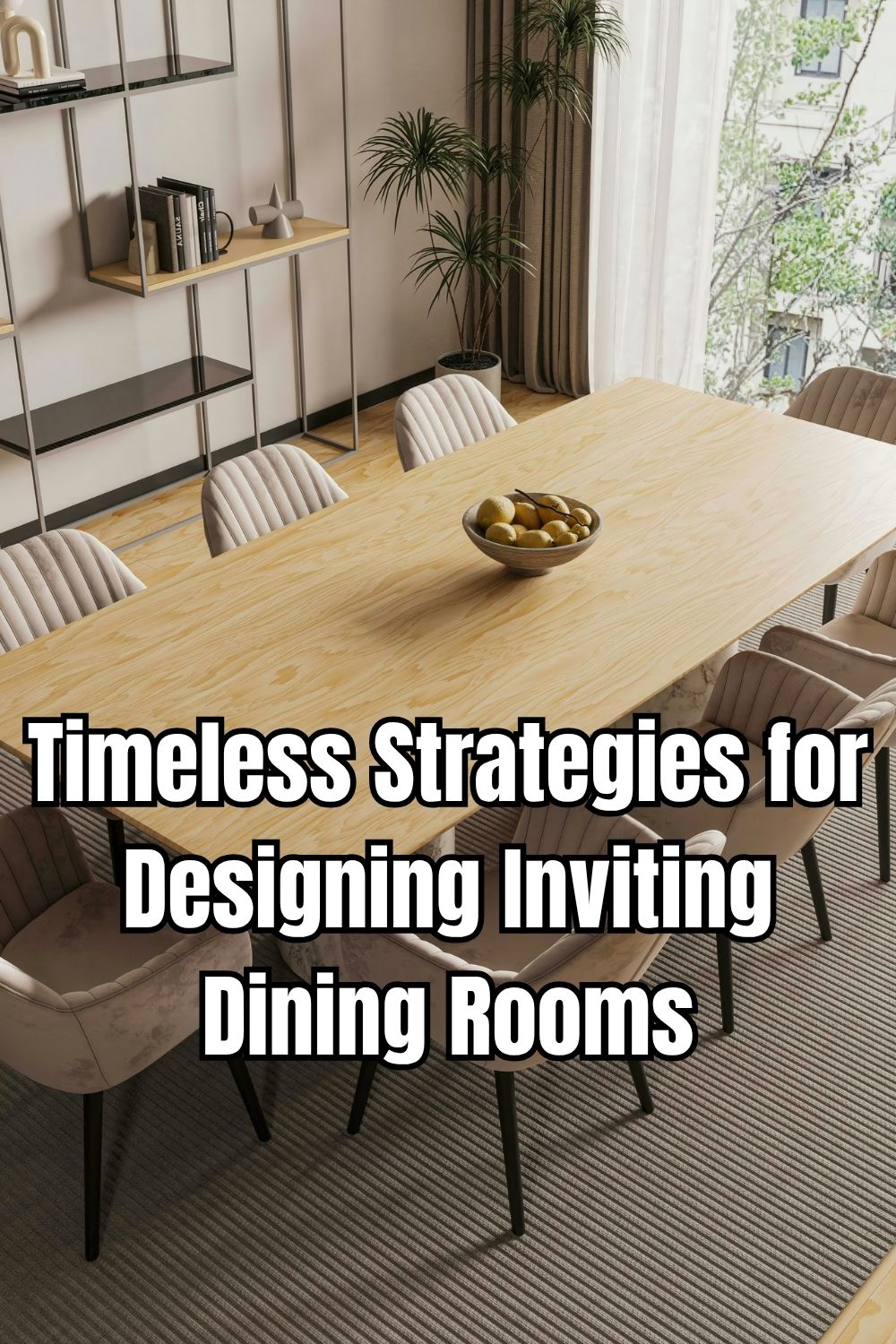
Timeless Strategies for Designing Inviting Dining Rooms
Few spaces carry as much emotional weight as the dining room. It’s where families gather for everyday meals, where friends linger well past dessert, and where celebrations quietly become memories. Thoughtful design transforms this room from a purely functional space into a genuine hub for connection and hospitality.
The Heart of the Home
The Foundation: Choosing Furniture That Lasts
Choosing the right modern dining tables sets the tone for everything else — clean lines that complement a range of styles without dominating the room. Beyond the table itself, enduring design principles rooted in personalization, comfort, and proportion remain just as relevant today as they ever were. Whether you’re furnishing a compact city apartment or a sprawling family home, the strategies below will help you create a dining room that feels both polished and genuinely lived-in.
Durable, versatile furniture is the non-negotiable starting point for any well-designed dining room. The best pieces balance scalability with material integrity. Solid hardwoods like oak and walnut are prized for their tight grain structure and long-term resilience — oak’s interlocked grain resists warping, while walnut’s natural oils offer built-in moisture resistance over time. Joinery matters just as much as material: mortise-and-tenon construction in chairs signals far greater longevity than simple dowel or glue assembly. Ergonomically, chair seat height should allow feet to rest flat on the floor with thighs roughly parallel to the ground — typically around 18 inches.
For practical sizing, a rectangular table suits everyday family meals well, while an extendable design — using butterfly or drop-leaf mechanisms — adapts gracefully for larger gatherings without permanently consuming floor space.
Key furniture selection tips:
– Prioritize pieces with timeless silhouettes over fleeting trends.
– Opt for materials that age gracefully, such as oak or walnut.
– Balance proportion to room size for optimal flow.
Key Takeaway: Invest in quality over quantity — a well-chosen table anchors the room for years and adapts to changing needs without requiring replacement.
Color Palettes That Create Warmth and Ambiance
Color profoundly shapes how a dining room feels. Research in color psychology consistently shows that warm earthy tones — soft taupes, warm beiges, and muted terracottas — encourage relaxation and stimulate appetite, making them a natural fit for dining environments. Nature-inspired palettes featuring muted sage greens or dusty clay tones bring an organic calm to the space without feeling cold or clinical.
On walls, these hues interact beautifully with natural light, shifting subtly throughout the day and holding up well across seasons. For upholstery, deeper tones like rust or forest green add grounding depth, while tabletop elements — ceramics, linen napkins, wooden boards — layer warmth without requiring any permanent commitment. Neutrals, in particular, have the distinct advantage of pairing effortlessly with almost any accent color introduced through accessories.
Incorporating Texture and Architectural Details
Where color sets the mood, texture adds dimension. Architectural details like wainscoting or fluted wall slats introduce visual interest without relying on bold hues. Board-and-batten paneling, for instance, creates subtle vertical lines that draw the eye upward, making rooms feel taller — though it does require periodic repainting to keep its crisp appearance. Slat panels, by contrast, diffuse light softly and lend a tactile quality that feels distinctly considered.
Texture layering ideas:
– Combine smooth tabletops with rough-hewn or woven-seat chairs.
– Add fabric wallcoverings for both visual warmth and acoustic softening.
– Integrate natural fibers — rattan, jute, linen — for tactile comfort.
Texture Type
Benefit
Best For
Fluted panels
Adds modern elegance
Statement walls
Woven textiles
Enhances coziness
Chair upholstery
Wood slats
Improves acoustics
Behind buffets
Lighting and Accessories for Mood and Functionality
Lighting may be the single most transformative element in a dining room. Interior designers broadly agree that warm-temperature bulbs around 2700K work best in dining spaces, as this range mimics candlelight and produces an inviting, flattering glow. A dimmable pendant positioned 30 to 36 inches above the tabletop functions as both a practical task light and a natural focal point. Supplementing with recessed ceiling fixtures ensures even ambient coverage, while a small table lamp on a sideboard adds intimacy for evening gatherings.
Accessories complete the picture. Mirrors placed opposite windows amplify natural light and visually open up the room. Curated tableware — simple ceramics, a linen runner, a single botanical centerpiece — adds personality without clutter. One particularly effective transformation: replacing a single harsh overhead fixture with layered lighting sources can shift a dim, uninviting room into a genuinely warm gathering space almost overnight.
A Space Worth Returning To
Designing a timeless dining room doesn’t require a dramatic overhaul — it calls for intentional choices layered thoughtfully over time. Prioritize versatile, well-crafted furniture, embrace warm colors and natural textures, and invest in lighting that flatters rather than flattens. Together, these principles shape a space that supports daily rituals and special occasions with equal ease.
Start small: assess your current room and introduce one meaningful change — a new texture, a warmer bulb, or a rearranged centerpiece — and notice how it shifts the entire atmosphere. A dining room designed with genuine care becomes something more than a place to eat. It becomes a legacy space, one that generations will return to with real pleasure.
Leave A Reply!