Learn how the role of routine influences home design. Transform your living space into a sanctuary for daily wellness.
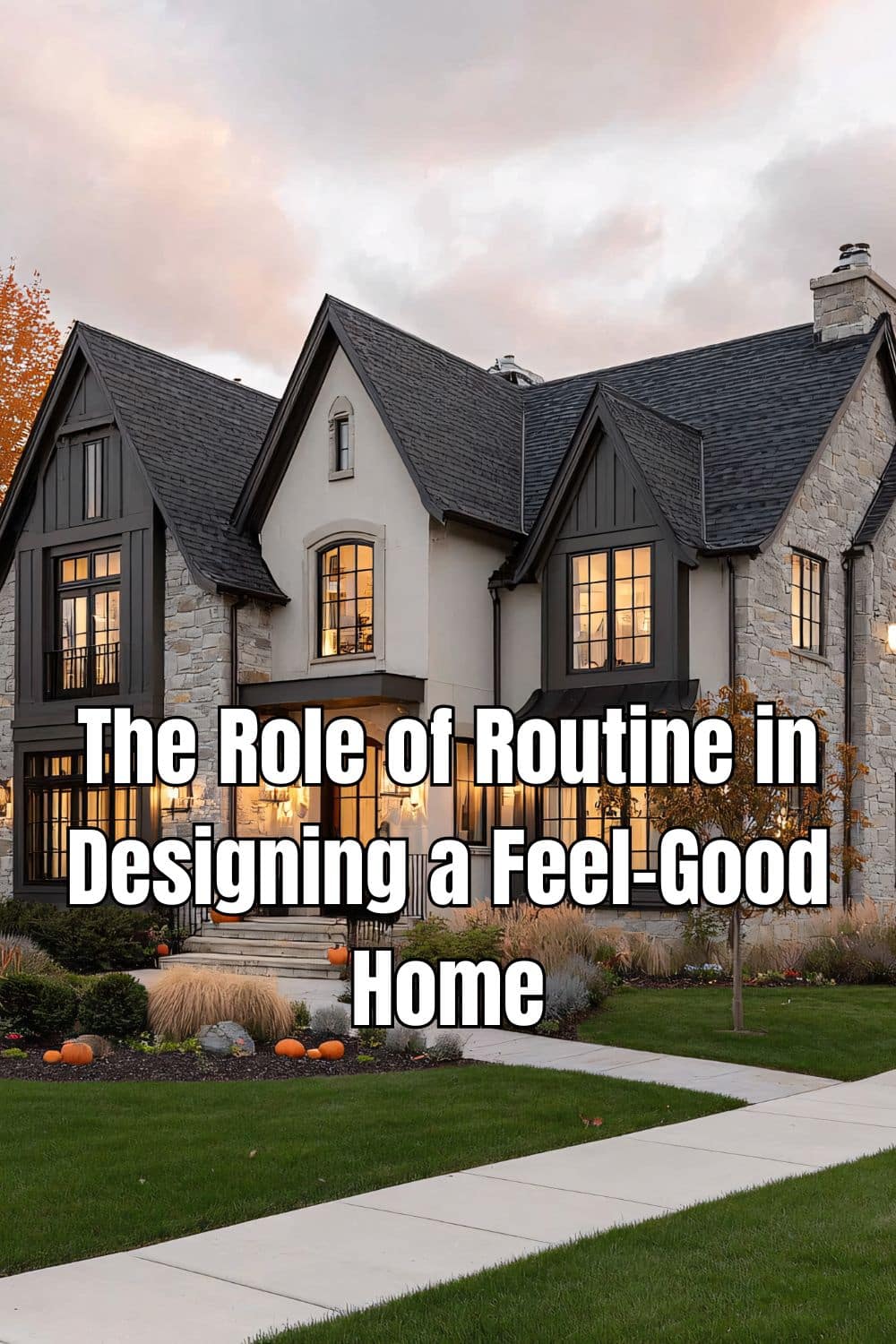
The Role of Routine in Designing a Feel-Good Home
What part of your home do you walk through every day without thinking—yet couldn’t function without?
Maybe it’s the hallway you pass through a dozen times a day, the bathroom where your mornings begin, or the kitchen counter that holds everything from mail to coffee. These spaces aren’t just backdrops. They’re the foundation of your habits. And in a time when routines have taken on more meaning than ever—especially in places like Lawton, where day-to-day living often happens indoors due to changing seasons or remote work trends—how a space supports your routine can shape how you feel.
In this blog, we’ll share how smart design and routine-friendly spaces can turn everyday habits into the foundation for calmer mornings and more restful nights.
Why Routines Are More Than Repetition
Routines are often seen as boring or rigid, the enemy of spontaneity. But in reality, routines are what make daily life smoother. They reduce decision fatigue, create predictability, and give your brain time to focus on things that matter more than figuring out where the towels are.
A good home design doesn’t just look nice. It supports those rhythms without forcing you to work harder. When the layout flows, storage makes sense, and lighting matches your patterns, your home feels intuitive. You’re not constantly adjusting. You’re moving through your day with fewer friction points. That’s not about control—it’s about ease.
The Bathroom as the New Wellness Hub
Let’s start with the bathroom. It’s the first and last space most people interact with each day. Yet it’s often treated as purely functional. That mindset is changing.
Today’s bathrooms are evolving into wellness-centered spaces that go far beyond basic function. More homeowners now look for thoughtful design and features that enhance daily routines and well-being. That’s where a reliable bathroom remodeler in Lawton plays a key role—bringing in upgrades that focus on performance, not just appearance. Features like walk-in showers, layered lighting, ergonomic fixtures, and improved ventilation aren’t about luxury. They’re about creating a space that supports relaxation, comfort, and ease—every single day.
A smartly designed bathroom supports your routine by giving you what you need without the clutter or confusion. Whether it’s starting the day with a warm, well-lit mirror or ending it with a long soak in a space that feels calm, this is where mood and function meet.
Building Around the Flow of Your Day
Every home has a flow. The question is whether it works for you or against you. If your kitchen island doubles as a workspace and a meal prep zone, how it’s lit and arranged makes a difference. If your entryway is always crowded with shoes and bags, you’re starting and ending your day in chaos.
Designing with routine in mind means looking at how you actually use your space, not just how it should be used. Maybe your kids do homework at the dining table. Maybe you read in a sunny corner every afternoon. Maybe your dog tracks in dirt right after you mop. These patterns should guide how spaces are organized, furnished, and upgraded.
It’s not about perfection. It’s about knowing yourself well enough to make design choices that reduce daily stress. A good routine supported by a responsive space helps you feel more in control—even when life isn’t.
Designing for Predictability in an Unpredictable World
The last few years have reminded us that life is rarely predictable. But inside the home, predictability is comfort. It’s being able to find the light switch in the dark or knowing exactly where your favorite mug is. It’s muscle memory. And in a world full of uncertainty, small certainties feel like a win.
That’s why routine-based design matters now more than ever. People are looking for homes that help them feel grounded, not overwhelmed. Clean lines, simplified storage, and fixtures that function flawlessly don’t just serve aesthetics. They serve mental clarity.
Even color choices can influence how well your routines stick. Soft blues and neutrals tend to calm. Bright whites wake you up. If your routine includes early mornings or late nights, your space should support that energy, not fight it.
Small Changes That Make a Big Impact
You don’t need a total home makeover to feel a meaningful difference in how your space supports your life. In fact, some of the most powerful upgrades are the simplest.
Start by observing how you actually use your home during key moments of the day. What slows you down when you’re rushing to get out the door in the morning? Where do things tend to pile up after work? Are there spots you avoid simply because they’re uncomfortable or awkward to use? Take ten minutes to walk through your house during these busy or quiet transitions. Instead of focusing on how things look, pay attention to how they feel to use. That’s where the real opportunities are hiding.
From there, prioritize what feels most urgent or easiest to fix. It could mean calling in a professional to rework the flow of your bathroom so mornings feel less chaotic. Or it might just be moving where you keep your coffee mugs so they’re closer to the machine.
The goal isn’t to overhaul everything at once. It’s to chip away at the moments of friction that slowly wear you down. A home that’s pleasant to live in isn’t always the most decorated. It’s the one that works with your routine rather than complicating it.
Where Routines Become Rituals
When your home flows well and supports your daily rhythms, routines begin to feel like rituals. Morning coffee becomes a moment of focus, not a chaotic grab-and-go. Evening routines become a signal to slow down, not another list to check off.
Design plays a quiet but powerful role in this transformation. When you no longer have to hunt for what you need or adjust to a poorly designed space, you can be present. You can enjoy your surroundings instead of reacting to them.
And that’s what a feel-good home is really about. Not perfection, not trends—but peace in the everyday. When your space fits your life, your routines become less about getting through the day and more about living it well.
Leave A Reply!