Explore the role of prenatal diagnosis in the early detection of Down syndrome in pregnancy and its impact on families.
The Role of Prenatal Diagnosis in Early Detection of Down Syndrome in Pregnancy
Table of Contents
- Introduction
- Understanding Down Syndrome
- Non-Invasive Prenatal Testing (NIPT)
- Nuchal Translucency Ultrasound
- Advancements in Machine Learning
- Impact of Early Detection
- Ethical Considerations
- Conclusion
Introduction
Prenatal diagnostic advances now give expectant parents greater insight into their baby’s health, enabling early detection of conditions like Down syndrome and providing time to make informed choices, access resources, and prepare for the journey ahead. For those beginning to learn more about Down syndrome pregnancy, accessible support and education are available through dedicated organizations, many of which offer both practical information and emotional encouragement for families navigating these diagnoses.
Early detection of Down syndrome gives families time to prepare emotionally and practically, access key interventions, and build support networks before birth. It enables specialized prenatal care, educational sessions, and planning for life after delivery, with advanced diagnostic tools further enhancing readiness and reassurance.
Understanding Down Syndrome
Down syndrome, clinically known as trisomy 21, is a genetic condition resulting from an extra copy of chromosome 21. This additional genetic material can lead to a spectrum of developmental delays, distinctive facial features, and an increased likelihood of certain medical conditions. According to WebMD, typical physical hallmarks of Down syndrome include a flattened facial profile, upward-slanting almond-shaped eyes, and some degree of hypotonia (low muscle tone) at birth. Many children may also have a single deep crease across the palm of the hand and a gap between the first and second toes. Cognitive and growth milestones may be reached at a different, often slower, pace compared to typical development. Still, early intervention can optimize outcomes and enhance quality of life at every stage.
The importance of early detection in Down syndrome pregnancies lies in its powerful potential to address associated health complications such as congenital heart defects, hearing or vision loss, thyroid conditions, or digestive challenges. Early awareness of these risks enables healthcare providers to implement targeted therapies, coordinate with pediatric specialists, and initiate appropriate monitoring plans before and after delivery. Diagnosing Down syndrome in advance paves the way for more personalized and proactive care, thereby enhancing the long-term health and well-being of both the baby and the family.
Non-Invasive Prenatal Testing (NIPT)
Non-invasive prenatal testing (NIPT) has revolutionized prenatal screening by analyzing tiny fragments of fetal DNA that circulate in the mother’s bloodstream as early as the tenth week of pregnancy. With a sensitivity exceeding 99% for detecting Down syndrome, NIPT delivers exceptional accuracy and dramatically reduces the likelihood of false positives. This means that many expectant parents can avoid the stress and risk of unnecessary invasive procedures, such as amniocentesis or chorionic villus sampling. Unlike some earlier forms of screening, NIPT carries no risk to the fetus, providing safe and reliable information that brings clarity and peace of mind during what can otherwise be a time of uncertainty. As a result, expectant parents receive timely, reliable information as the foundation for making choices about their care, future planning, and family experience.
Nuchal Translucency Ultrasound
Between weeks 11 and 14 of pregnancy, the nuchal translucency (NT) ultrasound adds another vital dimension to early Down syndrome screening. This specialized scan measures the clear space at the back of the baby’s neck. This detail can sometimes serve as an indicator of chromosomal abnormalities when the thickness is outside of the typical range. When paired with maternal blood tests that evaluate specific hormonal and protein markers, this method increases the predictive power of early screening. Still, families need to know that this is a screening method rather than a definitive diagnostic test. If results indicate a higher risk, healthcare teams may recommend diagnostic follow-up testing, which can offer more clarity and certainty regarding the diagnosis and guide next steps in prenatal care.
Advancements in Machine Learning
The integration of artificial intelligence and machine learning with prenatal diagnostics promises an entirely new level of precision and efficiency. Machine learning models are designed to synthesize vast and complex datasets—from maternal age and genetic markers in the mother’s blood to detailed ultrasound measurements—yielding sophisticated risk assessments for Down syndrome that can surpass the predictive capabilities of traditional screening alone. As new information is continuously fed into these systems, machine learning models become “smarter,” making risk predictions increasingly personalized and accurate. This evolutionary approach allows for nuanced, individualized assessments that benefit both providers and families.
Impact of Early Detection
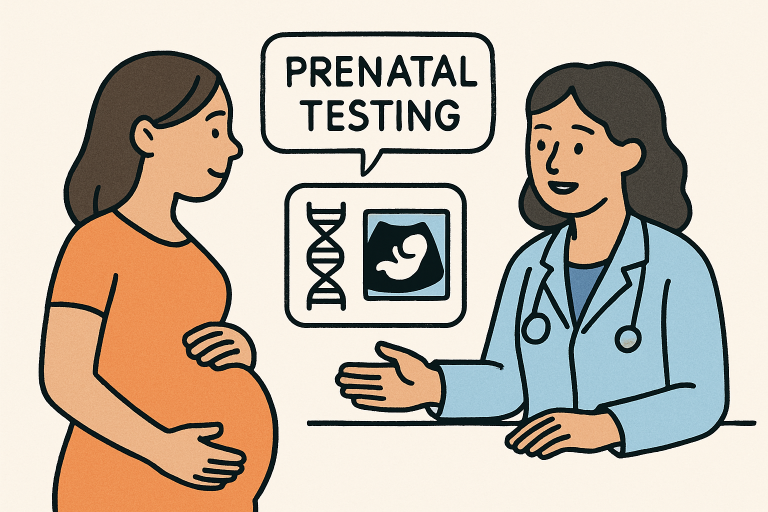
Receiving an early diagnosis of Down syndrome can initiate a sequence of positive and empowering possibilities for families. Not only are parents able to prepare for consultations with pediatricians, genetic counselors, and other specialists, but they are also given time to research resources, attend support groups, and anticipate potential health interventions—all well before the baby is born. Connecting early with advocacy organizations and community networks allows families to build a solid foundation of knowledge, encouragement, and practical guidance. Participating in early intervention programs has been shown to support cognitive, social, and motor development in children with Down syndrome, turning what could initially feel like a daunting experience into a period filled with proactive care and hope. These programs can also help families cultivate a positive outlook, foster resilience, and celebrate every milestone along the way.
Ethical Considerations
While technological progress in prenatal diagnostics has significantly improved early identification, it has also raised complex ethical questions for many families. Decisions surrounding prenatal testing are deeply connected to personal values, spiritual beliefs, cultural perspectives, and emotional well-being. Some families may face difficult choices, weighing the information received against their hopes, convictions, and plans. Therefore, compassionate, non-directive genetic counseling is absolutely critical throughout the testing process, ensuring that families are supported, well-informed, and above all, never pressured into any specific decision. Open communication, professional empathy, and sensitivity from healthcare providers create a safer, more respectful space for parents to process information and make decisions that are right for them, resulting in better outcomes for both parent and child.
Conclusion
Today’s advancements in prenatal diagnosis, including NIPT, specialized imaging, and machine learning, have fundamentally reshaped the landscape for detecting Down syndrome in pregnancy. Early, accurate insight through these technologies empowers thoughtful decision-making, early intervention, and comprehensive care. Collectively, these innovations offer families facing a Down syndrome pregnancy not only greater understanding, but greater agency and a stronger, more hopeful start as they prepare to welcome their child.
Leave A Reply!