Explore The Psychology of the Perfect Listing to engage tenants with compelling visuals and captivating details.
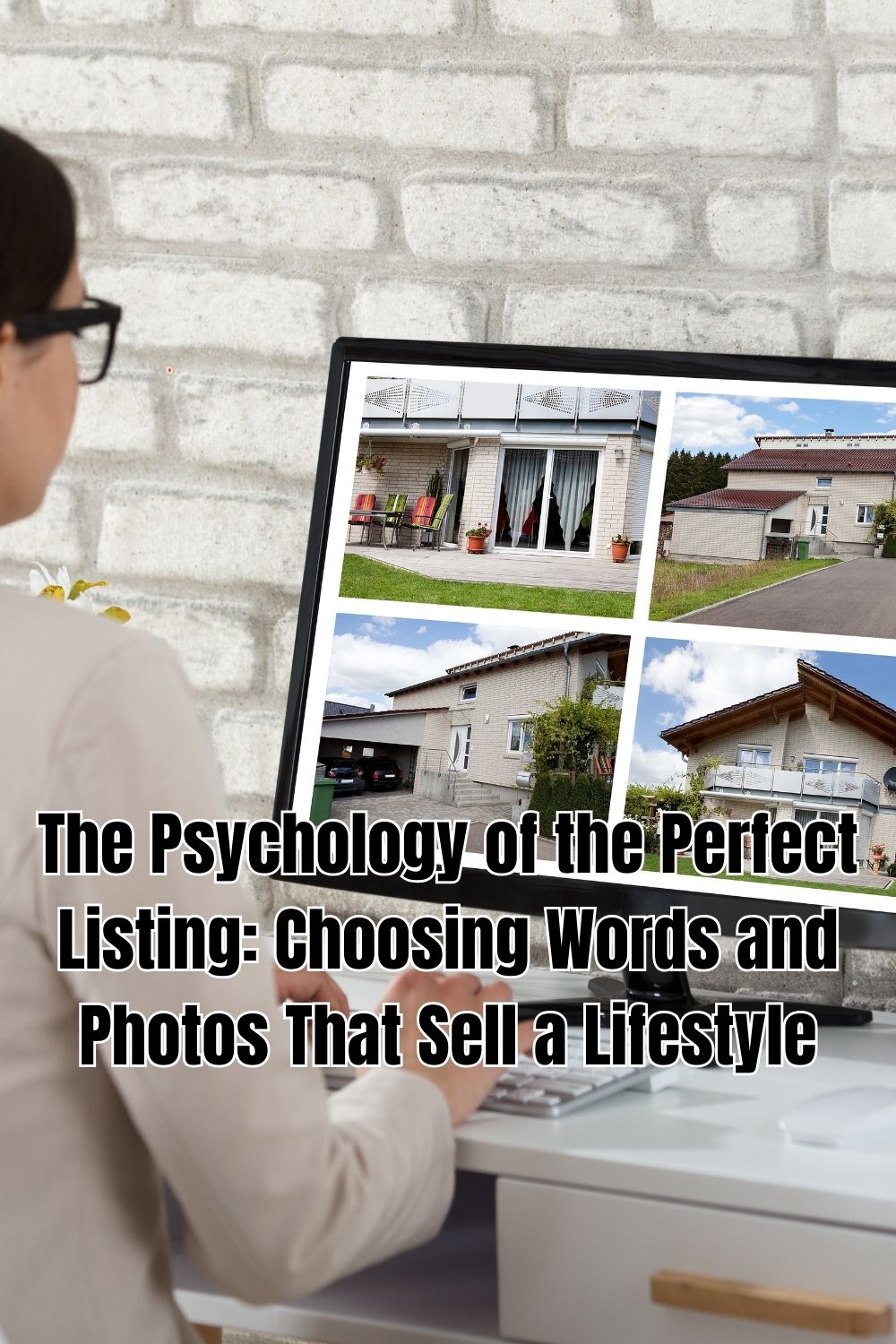
The Psychology of the Perfect Listing: Choosing Words and Photos That Sell a Lifestyle
Before you can think about things like monthly rental costs or the square footage, you begin to imagine your daily routine within this particular space: “where my coffee mug will sit,” “where the dog will take his naps,” “where we’ll have our friends over for a Saturday night.”
The type of listing that is going to guide that type of thinking does not merely provide an inventory of what is available, but rather allows someone to envision their life inside the property. How a prospective tenant thinks about the space as a result of photos, the way it was worded, and the order in which they are provided (as well as other presentation elements) will greatly impact whether he/she is going to scroll by and click “viewing” to schedule a viewing
Writing Listings That Describe Everyday Living
Many listings focus on technical details first. They open with square footage, bedroom counts, and parking spaces. While those details matter, they rarely create a connection with the reader.
What is it like for a person to be in their home? They walk into their home through the front door; they enter the kitchen; they determine where the sun will shine on certain days in the afternoons. The moment a listing allows an individual to experience these things, it becomes much simpler for them to visualize themselves living within the property.
For instance, you could write that the kitchen island is positioned so that when you are cooking, you can easily see and talk to your family and/or watch your children play on the floor in the adjacent living area.
The type of description creates an image in the mind of the reader. It encourages the reader to create visualizations of their day-to-day activities inside the property rather than simply reading the features/specifications of the property.
Property owners who work with full-service property management teams often see this difference clearly. Experienced managers tend to structure listings around how people use spaces rather than just listing features. The shift is subtle, but it changes how the property feels to potential tenants.
Choosing Photos That Show How a Home Feels
Photos carry most of the emotional weight in a listing. A single image can either invite someone into the property or make them lose interest within seconds.
The most effective property photos are not always the widest or most technically perfect shots. Instead, they help the viewer understand the flow of the home.
You’re browsing through images of homes, and the first is an expansive living room with a couch that faces the massive windows. The second is a photo of the adjacent dining area; the third is a photo of the kitchen connecting the two spaces. You don’t have to physically walk through the house, but you’ve now learned how each room relates to the others.
Other small things can help too. The fact that your dining table is set (and the way it’s set), the fact that your throw blanket is folded on your couch, and even the sun hitting your wooden floors create a feeling that this is a real space – not some empty space
You want to arrange photos in a sequential manner as well. Start with the best part of your home, then take viewers through the home like they are actually walking through it. This will establish a quiet familiarity for them to be able to visualize themselves in the space.
Avoiding Language That Feels Like Advertising
Listings that seem to be written like a sales brochure instead of an actual home description are becoming increasingly common. The use of terms like “luxurious”, “stunning,” and “breathtaking” in every listing makes them lose their value over time. Using clear language will always work better than overly descriptive language.
Viewings are scheduled based on what readers believe they have read about the property. Therefore, when a listing appears to be written with honesty and practicality, there is a greater sense of confidence.
Showing Small Moments That Help People Imagine Living There
People often decide whether they like a property within seconds. Much of that decision happens quietly in their mind. They begin picturing daily routines inside the home.
Maybe they imagine making breakfast at the kitchen counter while sunlight comes through the window. Maybe they notice the small balcony and picture sitting there with a book in the evening. Listings that highlight these small moments tend to hold attention longer.
These details may seem minor. Yet they help a potential tenant build a mental map of the home. The more easily someone can imagine their routine inside a space, the more likely they are to schedule a viewing.
Presenting Information in a Way That Feels Easy to Read
Even well-written listings can lose readers if the structure feels cluttered. Large blocks of text make it harder for someone to scan quickly. Most people reviewing listings move fast. They scroll through several properties within a few minutes. Clear formatting helps them absorb the most important information without effort.
Simple steps make a difference. Short paragraphs. Clear section breaks. A small list of key features after the main description. For example, after describing the lifestyle aspects of the property, a listing might include a quick overview such as:
- 3 bedrooms
- 2 bathrooms
- Double garage
- Private garden
- Pet friendly
This format respects how people actually read online listings. They want a sense of the home first, then a quick confirmation of the practical details.
Closing Thoughts
Listings that are most effective at creating an impression for prospective renters provide renters with a visual representation of how they would use the space going forward. The combination of words and images provides renters with the ability to picture themselves living in the property, which increases their likelihood of browsing through your listing and ultimately increases the chances they will view the property. Ultimately, a listing’s primary function is straightforward. Allow someone to envision a lifestyle in the property or rental unit. Once you allow them to envision this, generally all other considerations follow.
Leave A Reply!