Discover the benefits of the Dog Bed Large Orthopedic: Ultimate Pain-Free Comfort 2025 for your large dog’s joint health.

The Health Benefits of Orthopedic Beds for Large Breeds
If you share your life with a large dog, you know how much joy they bring. You also understand the unique challenges they face, especially when it comes to their comfort and joint health. As our big furry friends grow, or even if they are still active youngsters, their joints can experience significant wear and tear.
This isn’t just about luxury; it’s about providing essential support. A well-chosen orthopedic dog bed can make a profound difference in their quality of life. It helps alleviate pain, improves mobility, and promotes better sleep.
We will explore the many benefits of orthopedic dog beds specifically designed for large breeds. We’ll dig into the key features that ensure durable, long-lasting large dog support, and guide you through choosing the perfect bed for your companion. Choosing the right dog bed covers can also protect the bed, make cleaning easier, and extend its lifespan, ensuring your furry friend enjoys comfort for years to come. We’ll also cover maintenance tips and answer common questions, helping you make an informed decision for your dog’s well-being.

Large dog breeds, while magnificent in stature and spirit, are often predisposed to certain musculoskeletal conditions due to their size and rapid growth rates. Conditions like hip dysplasia, elbow dysplasia, and arthritis are unfortunately common. This is where the profound benefits of an orthopedic dog bed come into play, offering targeted support that goes far beyond a simple cushion.
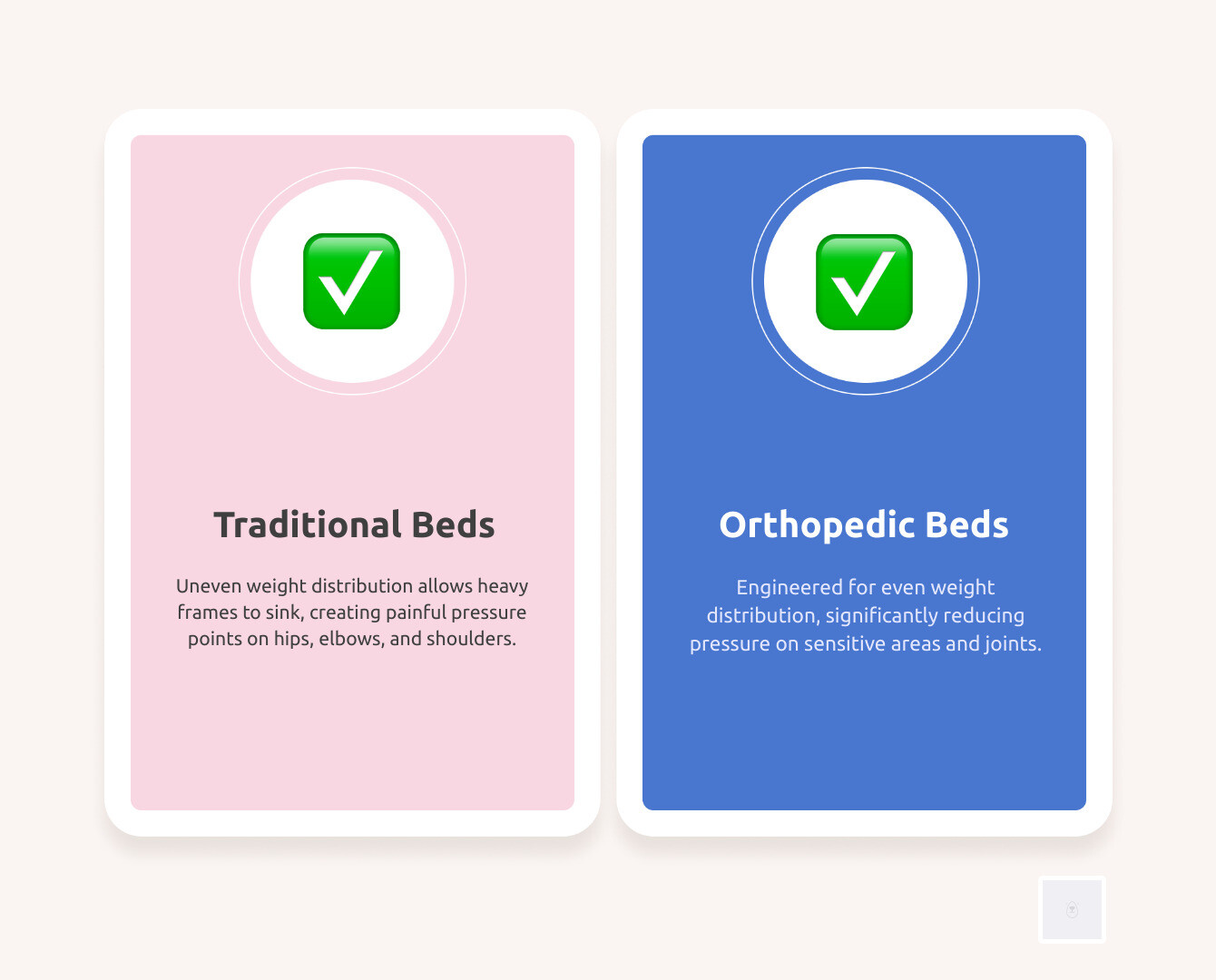
One of the primary advantages of an orthopedic bed is joint pain relief. Unlike traditional beds that offer minimal support and allow a large dog’s heavy frame to sink to the floor, orthopedic beds are engineered to distribute weight evenly. This significantly reduces pressure on sensitive areas such as hips, elbows, and shoulders, which are common sites for pain and inflammation in large breeds. For dogs already suffering from arthritis, this cushioning can be a game-changer, alleviating chronic discomfort and making daily movements less painful. As dogs age, they naturally sleep more and have less muscle mass to cover their pressure points, making a supportive surface even more critical.
For dogs diagnosed with arthritis or hip dysplasia, an orthopedic bed becomes an integral part of their management plan. These beds provide the necessary firm yet comfortable foundation that helps maintain proper spinal alignment and supports compromised joints. This can slow the progression of symptoms, reduce stiffness, and improve overall comfort. Veterinarians frequently recommend these beds as a non-pharmacological approach to managing these conditions, emphasizing their role in a holistic care strategy.
Furthermore, orthopedic beds are invaluable for post-surgery recovery. Whether your large dog has undergone ACL surgery, a fracture repair, or any other orthopedic procedure, a supportive bed is crucial for their rehabilitation. Dr. Brian Collins, a senior lecturer in community practice service at Cornell University College of Veterinary Medicine, highlights that memory foam or similar materials provide stability, comfort, and support essential for recovery. A proper bed ensures that the dog’s healing joints are not subjected to unnecessary stress or awkward positions, facilitating faster and more comfortable healing and preventing secondary injuries.
The cumulative effect of reduced pain and improved joint support is improved mobility. When a dog is comfortable and pain-free, they are more likely to move freely, engage in gentle exercise, and maintain muscle mass. This improved mobility contributes significantly to their quality of life, allowing them to enjoy walks, play, and interact with their families without undue discomfort.
All these benefits converge to provide better sleep quality. A large dog struggling with joint pain on an inadequate bed will likely toss and turn, unable to find a comfortable position. An orthopedic bed allows them to achieve deep, restorative sleep, which is vital not just for physical recovery but for overall well-being. Veterinarians recommend orthopedic beds for their ability to reduce joint pain, improve mobility, and speed recovery after surgery or injury, recognizing that quality sleep is foundational to a dog’s health.

Why Vets Recommend Orthopedic Support
The endorsement of orthopedic beds by veterinary professionals is not anecdotal; it’s rooted in a deep understanding of canine physiology and common health challenges, particularly in larger breeds. Orthopedic veterinarians at Colorado State University emphasize that alleviating osteoarthritis in pets involves a multifaceted approach, combining therapeutic forms of exercise with pain medications and weight management. A high-quality orthopedic dog bed is seen as a crucial supportive element within this comprehensive strategy.
The core principle behind this recommendation lies in the bed’s ability to provide superior pressure distribution. Unlike standard beds or blankets that offer uneven support, orthopedic foam conforms to a dog’s body, cradling their joints and spreading their weight across a larger surface area. This minimizes localized pressure points, which are often the culprits behind soreness, stiffness, and chronic pain, especially in areas like the hips, elbows, and shoulders. For a large dog, whose weight exerts considerable force on these points, this even distribution is paramount.
Moreover, these beds contribute significantly to muscle tension relief. When a dog is in pain, their muscles often tense up in an attempt to protect the affected joints. A supportive bed allows these muscles to relax fully, promoting better circulation and reducing overall discomfort. This relaxation is critical for dogs recovering from injuries or surgery, as it aids in the natural healing process and prevents compensatory muscle strain.
Veterinarians also highlight the importance of orthopedic beds in improving recovery from therapeutic exercise and surgical procedures. A dog needs a stable, comfortable surface to rest on after physical therapy or a medical intervention. The firm yet yielding nature of orthopedic foam prevents sinking and provides a stable platform for a dog to get up and lie down, reducing the risk of re-injury or unnecessary strain on healing tissues. This stability is particularly important for large breeds, who may struggle more with balance and mobility post-procedure.
Veterinarians view orthopedic dog beds not as a luxury, but as a therapeutic tool. They are an investment in a dog’s long-term joint health, mobility, and overall comfort, complementing medical treatments and lifestyle adjustments to provide the best possible quality of life for large breeds, especially those prone to or already suffering from joint conditions.
Beyond Joint Health: The Full-Body Benefits
While the primary focus of orthopedic dog beds for large breeds often centers on joint health, their benefits extend far beyond musculoskeletal support, impacting a dog’s holistic well-being in profound ways. Quality sleep, facilitated by a truly supportive bed, is a cornerstone of health for all living beings, and dogs are no exception.
One significant, often overlooked benefit is the improvement in sleep cycles. Just like humans, dogs experience different stages of sleep, including REM sleep, which is crucial for mental and physical restoration. When a dog is comfortable and pain-free on an orthopedic bed, they can achieve deeper, more restful sleep. This undisturbed rest allows their bodies to perform essential repair processes, refresh cells, and consolidate energy reserves. A dog constantly shifting to find comfort on a subpar bed will never reach these vital deep sleep stages, leading to chronic fatigue.
This improved sleep quality directly impacts cognitive function. Quality sleep is essential for a dog’s brain health, playing a critical role in memory consolidation, learning, and overall mental acuity. Well-rested dogs are more alert, responsive to training, and better able to adapt to new situations. Conversely, sleep deprivation can lead to irritability, reduced attention span, and even behavioral issues. An orthopedic bed, by promoting deep sleep, contributes to a sharper, more engaged canine companion.
Furthermore, adequate rest aids in emotional regulation. A dog that is consistently well-rested is generally calmer, less prone to anxiety, and better equipped to handle stress. Just as in humans, fatigue can exacerbate emotional imbalances in dogs, leading to increased reactivity or withdrawal. By ensuring a comfortable and secure resting environment, an orthopedic bed supports a dog’s emotional stability, contributing to a happier and more balanced temperament.
Finally, quality sleep is intrinsically linked to a healthy metabolism. Well-rested dogs regulate their hunger hormones more effectively, reducing the risk of overeating and obesity. Sleep plays a role in energy balance and glucose metabolism. For large breeds, who are already at a higher risk for weight-related joint issues, supporting a healthy metabolism through restorative sleep is an invaluable preventative measure.
In summary, an orthopedic bed for a large dog is not just about alleviating physical discomfort; it’s an investment in their complete overall well-being. From sharper minds and calmer dispositions to healthier bodies and improved longevity, the ripple effects of quality sleep on a supportive surface are extensive, ensuring your large companion thrives in every aspect of their life.
Key Features of a Durable Large Orthopedic Dog Bed
Choosing an orthopedic dog bed for a large breed isn’t merely about finding something soft. It’s about selecting a carefully engineered product designed to withstand significant weight and provide consistent, therapeutic support over time. The durability and effectiveness of such a bed hinge on several critical features, each playing a vital role in ensuring your dog’s long-term comfort and health. Understanding these components will empower you to make an informed decision, distinguishing truly beneficial beds from those that offer only superficial comfort.
The internal structure, particularly the foam, is the heart of an orthopedic bed. This core must be robust enough to prevent a large dog from sinking through to the floor, which would negate any orthopedic benefits. Equally important are the protective layers surrounding this core, safeguarding it from moisture and wear. Finally, the external cover provides the first line of defense against daily use, offering both comfort and resilience. When these elements are thoughtfully combined, they create a bed that is not only comfortable but also a lasting investment in your dog’s health.

High-Density Support Foam
The foundation of any effective orthopedic dog bed, especially for large breeds, is the quality and density of its internal foam. This is where the magic of pressure relief and joint support truly happens. The market offers various types, but understanding their properties is key.
Memory foam is widely recognized for its ability to contour precisely to a dog’s body, distributing weight evenly and relieving pressure points. This material, originally developed by NASA, reacts to body heat and pressure, molding to the unique shape of your dog. However, not all memory foam is created equal. The term “orthopedic foam” is often used broadly, but what truly matters is the foam’s density and thickness.
Foam density is paramount for large, heavy dogs. A higher density foam (measured in pounds per cubic foot) means more material packed into the same space, resulting in a firmer, more supportive, and ultimately more durable bed. Lower-quality, less dense foams will break down faster, feeling flimsy or springy, and quickly flatten under a large dog’s weight, losing their therapeutic benefits. For instance, beds made with 7 solid inches of 4.5-pound density, human mattress grade, certified-safe foam represent a high standard of support and longevity.
We recommend looking for beds that contain at least 2 inches of foam as a minimum thickness for orthopedic support for any dog size. For large and extra-large breeds, even greater thickness, often 4 inches or more, is advisable to ensure adequate cushioning and prevent sinking to the floor. Layered foam systems, combining a denser base layer for support with a softer memory foam top layer for comfort, often provide the best of both worlds.
Crucially, always check for CertiPUR-US certification. This certification ensures that the polyurethane foam used in the bed is made without harmful chemicals such as formaldehyde, ozone depleters, prohibited phthalates, mercury, lead, and other heavy metals. It also guarantees low VOC (Volatile Organic Compound) emissions, contributing to better indoor air quality for both your dog and your family. This certification is a strong indicator of a safe, high-quality product.
The goal of high-density support foam is to achieve even weight distribution. By conforming to your dog’s contours without allowing them to bottom out, the foam cradles their body, alleviating stress on joints and promoting proper spinal alignment. This consistent support is what truly distinguishes an orthopedic bed and makes it an indispensable tool for the health and comfort of large dogs.
Waterproof and Protective Liners
Beyond the core foam, the layers of protection surrounding it are equally vital for the longevity and hygiene of a large orthopedic dog bed. For a significant investment like this, safeguarding the internal components from the realities of canine life – accidents, drool, and general moisture – is non-negotiable.
An internal waterproof liner is an absolute must-have feature. This liner acts as an impermeable barrier, completely encasing the foam core. Its primary purpose is to provide robust protection from accidents. Whether it’s a puppy still learning house training, a senior dog with incontinence issues, or simply an unexpected spill, this liner prevents liquids from seeping into the foam. Without it, urine or water would saturate the foam, leading to irreparable damage, unpleasant odors, and a breeding ground for bacteria and mold.
This protective layer is crucial for foam preservation. Memory foam, while incredibly supportive, can be susceptible to damage from moisture. A waterproof liner ensures that the foam remains dry and structurally sound, extending the overall lifespan of the bed. This means the bed will retain its orthopedic properties and continue to provide optimal support for many years.
From a hygiene perspective, the waterproof liner makes cleaning infinitely easier. Instead of trying to clean a soiled foam core (which is often impossible to dry completely), you can simply remove the outer cover and wipe down the liner. This allows for quick clean-ups and ensures a consistently clean sleeping environment for your dog, which is particularly important for dogs with allergies or skin sensitivities.
Finally, the liner plays a critical role in odor prevention. Moisture and organic matter trapped within foam are notorious for generating persistent, unpleasant smells. By preventing liquids from reaching the foam, the waterproof liner effectively seals off potential odor sources, keeping the bed fresh and your home smelling clean. Many quality large orthopedic dog beds are designed with this durable waterproof liner as a standard feature, recognizing its importance in maintaining both the bed’s integrity and your household’s cleanliness.
Easy-to-Clean, Tough Outer Cover
The outer cover of an orthopedic dog bed is more than just a decorative element; it’s the first line of defense against daily wear and tear, and a crucial factor in the bed’s overall practicality and hygiene. For large dogs, whose activities can range from enthusiastic digging to shedding copious amounts of fur, the cover needs to be both durable and easy to maintain.
A removable cover is an absolute non-negotiable feature. This allows for convenient and thorough cleaning, preventing the buildup of dirt, dander, and odors. Look for covers that are designed for effortless removal, often with sturdy zippers that run along multiple sides to make taking them off and putting them back on a breeze.
Once removed, the cover should be made from machine washable fabric. This ensures that you can easily keep your dog’s sleeping environment fresh and hygienic. We recommend washing covers with cold water on a gentle cycle, using a mild detergent, and avoiding bleach or harsh chemicals to preserve the fabric’s integrity. Tumble drying on low heat or air drying is generally recommended to prevent shrinkage or damage.
The choice of durable materials for the outer cover is vital, especially for large breeds. Fabrics should be robust enough to withstand scratching, moderate chewing (for dogs not prone to destructive chewing), and general heavy use. Materials like heavy-duty microfibers, durable canvases, or even specific chew-resistant fabrics are excellent choices. Some covers are designed with special weaving processes to improve their tear-resistance. The goal is a cover that can endure the daily antics of a large dog without quickly fraying, tearing, or showing excessive wear.
For safety and stability, particularly on hard flooring, a non-slip base is an important design consideration. This prevents the bed from sliding around when your dog jumps on or off, reducing the risk of slips and falls, especially for older or less mobile dogs.
While no fabric is truly “chew-proof” against a determined large dog, some covers offer chew-resistant features such as hidden zippers or reinforced seams, which can deter casual chewing and prolong the life of the bed. These thoughtful design elements collectively contribute to a bed that is not only comfortable but also practical, durable, and easy to integrate into a busy household with a large dog.
How to Select the Perfect Bed for Your Big Dog
Choosing the right orthopedic dog bed for your large companion is a decision that impacts their health, comfort, and your peace of mind. It’s not just about aesthetics; it’s a strategic investment. To ensure you make the best choice, we need to consider three crucial factors: precise sizing, the reassurance of a strong warranty, and understanding the true value behind the price. These elements, when evaluated together, will guide you towards a bed that serves as a durable, long-term asset for your dog’s well-being.
The perfect bed should accommodate your dog’s unique sleeping habits and physical dimensions, offer guaranteed performance, and deliver lasting value that justifies its cost. Let’s dig into each of these considerations to help you steer the options and select a bed that truly meets the needs of your cherished large breed.

Sizing It Up: Finding the Right Fit for a Durable Large Orthopedic Dog Bed
The most critical step in selecting an orthopedic dog bed for your large dog is ensuring you get the right size. An ill-fitting bed, even if it boasts premium orthopedic foam, will fail to provide adequate support and comfort. The goal is to allow your dog to stretch out fully and comfortably in any natural sleeping position without any part of their body hanging off the bed.
The best way to determine the ideal size is by measuring your dog. Have your dog lie down in their most common sleeping position. Measure them from the tip of their nose to the base of their tail. Then, measure their height from the top of their head to their paws. Add 6-12 inches to the nose-to-tail measurement to ensure ample room for stretching and shifting. This extra space is crucial, especially for large breeds who need to fully extend their limbs to relieve pressure points.
Consider your dog’s typical sleeping habits. Are they a “sprawler” who loves to stretch out completely, often on their back with paws in the air? Or are they a “curler” who prefers to nestle into a tight ball? Sprawlers will require a larger, more expansive flat surface, while curlers might appreciate a bolster bed that allows them to lean against a supportive edge. A good rule of thumb is to observe how they prefer to sleep or rest, then measure the space accordingly. Dogs who prefer to stretch out need large dog beds, while those who like to curl may need one a bit more snug.
If the bed is intended for a crate, meticulous crate compatibility measurements are essential. Measure the interior dimensions of the crate (length and width) to ensure the bed fits snugly without bunching or leaving large gaps. Some brands offer orthopedic crate pads specifically designed for this purpose.
Finally, always allow extra space. Even if your dog typically curls up, there will be times they want to stretch out. A bed that forces them into a cramped position negates the orthopedic benefits. The bed should be large enough that your dog can lie down in all their natural positions without their head or limbs hanging off the edge. This generous sizing ensures maximum comfort, proper spinal alignment, and effective pressure relief, making the bed a truly therapeutic space.
Understanding the Importance of a Strong Warranty
When investing in a high-quality orthopedic dog bed for your large companion, the warranty provided by the manufacturer is far more than just a piece of paper; it’s a powerful indicator of the product’s quality and the company’s confidence in its durability. For large dogs, whose weight can put significant stress on foam, a robust warranty is a critical safeguard for your investment.
The gold standard in orthopedic dog bed warranties is the “won’t flatten” guarantee. This specific assurance means the manufacturer is confident that their foam will maintain its structural integrity and support over an extended period. For instance, some leading brands offer guarantees that their foam will retain at least 90% of its original shape and support for 10 years or even longer. This kind of commitment is a direct reflection of the superior density and resilience of the foam used. If a company offers a 20-year guarantee on their beds holding shape and stability, it speaks volumes about the human mattress-grade quality and meticulous engineering behind their product.
This type of guarantee serves as a strong indicator of quality. Companies that back their products with such long-term warranties are typically using premium, high-density foams that are designed to resist compression and sagging, even under the weight of the largest breeds. Conversely, beds with short or no warranties often contain lower-quality foams that will quickly break down, leaving your dog sleeping on a flat, unsupportive surface.
Beyond the foam guarantee, understanding the overall return policies is also important. While orthopedic beds are often a significant investment, knowing you have a window to return or exchange the product if it doesn’t meet expectations (e.g., if your dog doesn’t take to it, or if there’s a manufacturing defect) provides additional peace of mind. However, be aware that some foam products cannot be returned once unwrapped due to compression and hygiene reasons, so checking the fit with the cover before unrolling the foam is often recommended.
A strong warranty provides invaluable peace of mind. It assures you that your investment in your dog’s health and comfort is protected. It means you won’t have to replace a flattened, unsupportive bed every year or two, saving you money in the long run and ensuring your large dog consistently receives the therapeutic support they need. It’s a testament to a product designed for lasting performance and long-lasting large dog support.
What to Expect for a Durable Large Orthopedic Dog Bed
Investing in a durable large orthopedic dog bed is a decision that balances initial cost with long-term value and health benefits. While the price tag might seem higher than a conventional dog bed, understanding what you’re paying for—and why cheaper alternatives often fall short—is crucial.
The typical price range for high-quality, large orthopedic dog beds can vary significantly based on brand, materials, size, and features. You might find some budget-friendly options starting around $60-$80, particularly for large sizes without bolsters or with thinner foam. However, for truly premium, durable, and veterinarian-recommended large orthopedic beds, prices can range from $100 to well over $400, and even higher for extra-large or specialized models. For example, some top-rated jumbo beds with significant foam thickness can be in the $200-$300 range, while beds from brands offering extensive warranties and human-grade foam often command prices upwards of $300-$400.
It’s important to view this as an investment in health, not just a purchase. The cost reflects the quality of materials (high-density memory foam, durable covers, waterproof liners), the precision of engineering, and the extensive testing that goes into creating a truly supportive and long-lasting product. This investment pays dividends in your dog’s reduced joint pain, improved mobility, better sleep, and overall quality of life. For large breeds prone to orthopedic issues, this can translate to fewer vet visits for pain management and a more active, comfortable life.
Considering the cost vs. value proposition, cheaper beds often prove to be a false economy. While an orthopedic bed for under $80 might seem appealing, scrutinize the foam density and thickness. Many budget beds use lower-quality, less dense foam that offers minimal support and quickly compacts or sags under the weight of a large dog. This means you’ll likely be replacing it within a year or two, ultimately spending more over time than if you had invested in a higher-quality, more durable bed initially.
Why cheap beds fail is primarily due to inadequate materials. They often lack the necessary foam density and thickness to prevent a large dog from sinking through to the floor, rendering the “orthopedic” claim moot. The foam might feel soft initially but quickly loses its resilience. Covers on cheaper beds may also be less durable, prone to tearing, or lack essential features like waterproof liners, leading to premature bed replacement due to damage or persistent odors. A high-quality bed, while a larger upfront cost, is designed to last for many years, often backed by impressive warranties, making it a more economical and beneficial choice in the long run.
Frequently Asked Questions about Large Orthopedic Dog Beds
Do orthopedic beds really help dogs of all ages?
Absolutely! While orthopedic beds are often associated with senior dogs or those with existing joint conditions, they offer significant benefits for dogs of all ages, including puppies and active adults.
For younger, active dogs, an orthopedic bed serves as excellent preventative care. Large breeds, even without diagnosed issues, put immense stress on their joints during growth and daily activities. A supportive bed helps to evenly distribute their weight, reducing the cumulative wear and tear on developing joints and potentially delaying the onset of conditions like arthritis or hip dysplasia later in life. It provides crucial support for growing joints, ensuring proper alignment and cushioning during their formative years.
For highly active dogs, an orthopedic bed aids in recovery. Just like human athletes, dogs need proper rest to allow their muscles and joints to recover after intense exercise. A supportive bed helps alleviate muscle fatigue and soreness, preparing them for their next adventure.
Therefore, it’s important to understand that orthopedic beds are not just for seniors. While they are indispensable for older dogs experiencing discomfort, they are a valuable investment for any large dog, promoting long-term joint health, comfort, and overall well-being throughout their entire life. As veterinarians often state, dogs of any age can benefit from an orthopedic bed made of memory foam, which effectively distributes pressure over a large area.
What’s the best type of foam for a large, heavy dog?
For a large, heavy dog, the best type of foam in an orthopedic bed is unequivocally high-density memory foam, often combined in a layered foam system. The key here is “density” and “thickness,” not just “memory foam.”
High-density memory foam is crucial because it provides the necessary support to prevent a heavy dog from sinking through the bed to the hard floor. Lower-density foams, while initially soft, will quickly compress and lose their supportive properties under significant weight, becoming ineffective. High-density foam (often 4.0 lbs/cu ft or higher) offers superior resilience and durability, ensuring the bed maintains its shape and therapeutic benefits over time. For example, some premium beds boast 7 solid inches of 4.5-pound density, human mattress grade foam, which is ideal for very heavy breeds.
A layered foam system is often the optimal design. This typically involves:
- A dense support layer (base foam): This is the foundational layer, often a high-density conventional foam or a very firm memory foam, designed to prevent the dog from bottoming out. It provides the primary structural support.
- A comfort layer (top memory foam): This is usually a slightly softer, contouring memory foam that conforms to your dog’s body, providing the pressure relief and cushioning. This layer works in conjunction with the base to distribute weight evenly. For instance, a bed might feature 2 inches of memory foam on top of a 2-inch dense support foam bottom layer.
This combination ensures both robust support and plush comfort. The dense base prevents sagging and maintains the bed’s integrity, while the top layer cradles your dog’s body, alleviating pressure points. This design is highly effective in avoiding sagging and ensuring that the bed remains supportive and comfortable for many years, even with the heaviest of breeds. Always check the product specifications for foam density and thickness when making your choice.
How do I clean and maintain the bed for maximum lifespan?
Proper cleaning and maintenance are essential for maximizing the lifespan of your large orthopedic dog bed and ensuring a hygienic sleeping environment for your pet.
The most important step is regularly washing the cover. Most high-quality orthopedic dog beds come with removable, machine-washable covers. We recommend removing the cover and machine washing it with cold water on a gentle cycle. Use a mild, pet-safe detergent and avoid harsh chemicals like bleach, which can damage the fabric and potentially irritate your dog’s skin. Some manufacturers even suggest washing the cover before first use to prevent any potential dye transfer.
For drying instructions, always refer to the manufacturer’s guidelines. Generally, it’s best to tumble dry the cover on a low heat setting or, even better, air dry it to prevent shrinkage and preserve the fabric’s integrity. High heat can damage certain materials and compromise the fit.
In the event of an accident or spill that penetrates the outer cover, you may need to spot clean the foam. Because the foam itself is typically not machine washable, use a clean cloth dampened with a mild, pet-safe enzymatic cleaner to gently blot and clean the affected area. Avoid saturating the foam, as it can be difficult to dry completely. After cleaning, allow the foam to air dry thoroughly in a well-ventilated area before replacing the cover. Many premium orthopedic beds include a waterproof internal liner that protects the foam from such incidents, making this step less frequently necessary.
Beyond washing, incorporate these regular maintenance tips:
- Vacuum the cover regularly: This helps remove loose fur, dander, and dirt between washes.
- Rotate the bed: Periodically rotate the bed (if rectangular) to ensure even wear and compression of the foam.
- Check for damage: Routinely inspect the cover and zippers for any signs of wear, tears, or damage, addressing them promptly to prevent further deterioration.
By following these cleaning and maintenance practices, you can ensure your large orthopedic dog bed remains clean, fresh, and continues to provide optimal support and comfort for your beloved companion for many years to come.
Conclusion
Choosing the right orthopedic dog bed for your large breed is one of the most impactful decisions you can make for their health and happiness. We’ve explored how these specialized beds offer profound benefits, from alleviating joint pain and managing conditions like arthritis and hip dysplasia to aiding post-surgical recovery and improving overall mobility. Beyond physical comfort, the quality sleep facilitated by an orthopedic bed contributes significantly to your dog’s cognitive function, emotional well-being, and even their metabolism.
We’ve also digd into the essential features that define a truly durable and effective orthopedic bed: high-density, CertiPUR-US certified foam for superior support and longevity, internal waterproof liners for hygiene and foam preservation, and tough, easy-to-clean outer covers designed to withstand the rigors of large dog life. Understanding how to correctly size a bed, the importance of a strong “won’t flatten” warranty, and recognizing the long-term value over initial cost are all crucial steps in making an informed choice.
Investing in a high-quality, large orthopedic dog bed is an investment in your dog’s comfort and longevity. It’s a commitment to providing them with the restorative rest they need to thrive, remain active, and enjoy a pain-free life by your side. Give your large companion the gift of ultimate comfort and support; they deserve nothing less.
Leave A Reply!