Discover authentic balsamic in our guide to sourcing it and decoding Modena’s liquid gold for your culinary adventures.
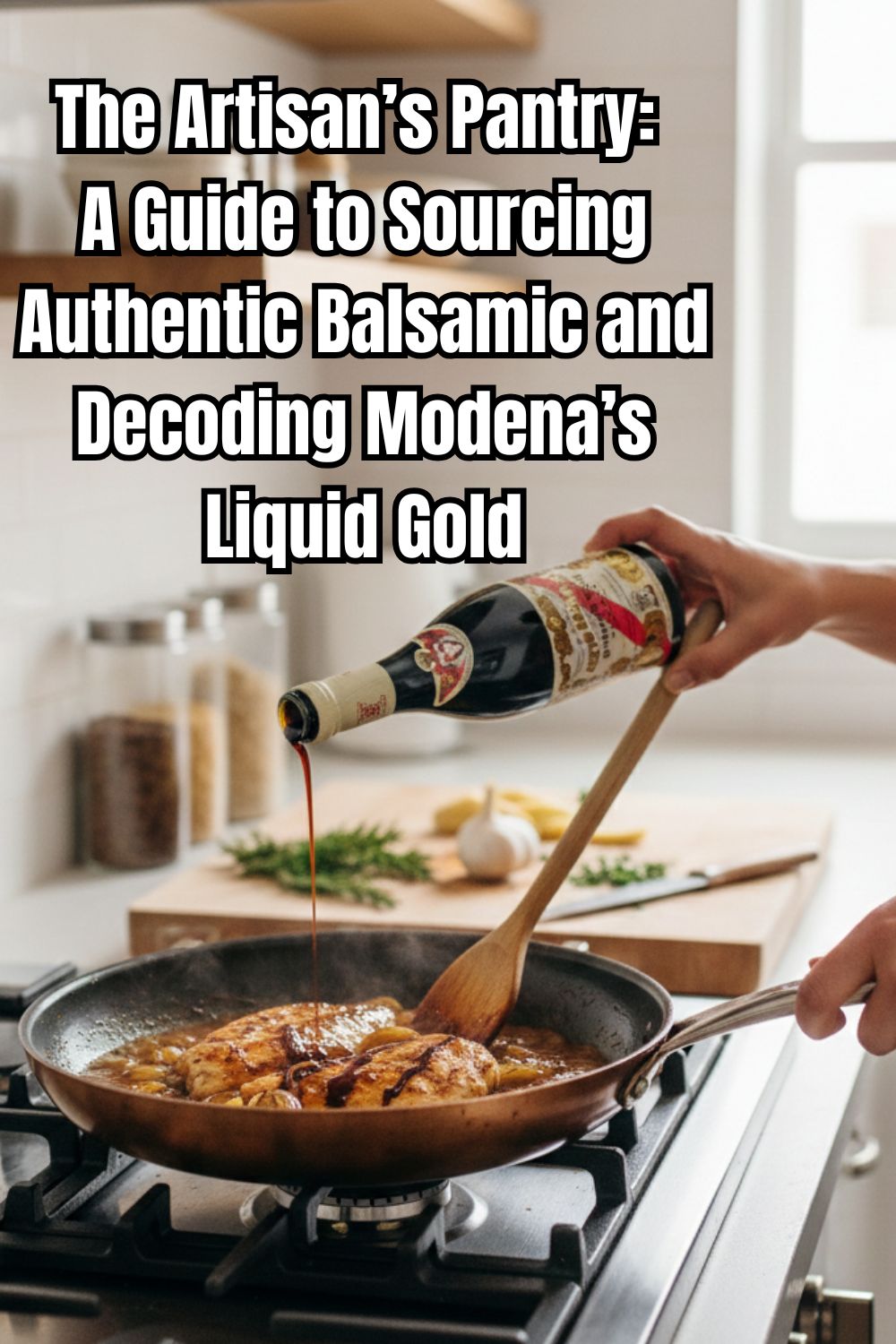
The Artisan’s Pantry: A Guide to Sourcing Authentic Balsamic and Decoding Modena’s Liquid Gold
A true, artisanal balsamic is not simply a condiment; it is a legacy, a living ingredient that has matured through the passage of time in historic wooden casks. It is the ultimate expression of patience, making it the perfect addition to a pantry curated by those who appreciate the art of slow food and careful preservation. Learning to distinguish authentic Modena balsamics from mass-produced imitations is essential for any modern homestead kitchen.
Cutting Through the Label Confusion in the Vinegar Aisle
If you’ve ever found yourself confused by the sheer variety of balsamics available, you are not alone. Prices can range from a few dollars to hundreds, and terminology like “condimento,” “aged,” and “reserve” are often used loosely. To truly curate an artisan’s pantry, you must understand the primary certifications that guarantee authenticity. In essence, there are two main categories you need to know.
Traditional Balsamic Vinegar of Modena DOP
This is the pinnacle of the craft, protected by the Denominazione di Origine Protetta (DOP). It is made from only one ingredient: cooked grape must from specific local grape varieties. This must is aged for a minimum of 12 years (often much longer) in a “batteria” of barrels made of different woods like oak, chestnut, cherry, juniper, and mulberry. No other substances are permitted. The result is a syrupy, extremely complex liquid that is typically sold in tiny, specific-shaped 100ml bottles. This is for finishing, not cooking.
Balsamic Vinegar of Modena IGP
This category, known as Indicazione Geografica Protetta (IGP), is the most common found in high-quality grocery stores and specialized shops. It signifies that the product must be produced and bottled in the province of Modena. This balsamic is a blend of cooked grape must and high-quality wine vinegar. While it allows for faster production than the DOP, the quality and flavor profile vary wildly depending on the producer and the aging process. It is a highly versatile ingredient, ideal for reductions, glazes, and marinades.
The Role of History and Casks in Defining Quality
Understanding the certifications is only step one. The real difference in quality often lies in the lineage of the producer and the history of the wooden barrels they use. Authentic balsamic is fundamentally defined by the wood. Each wood species imparts its unique character: cherry lends sweetness, chestnut contributes tannins, and oak provides structure.
A historical house like Giusti understands that their ancient casks are not just containers; they are living repositories of flavor. When you source a quality balsamic vinegar of Modena, you are essentially bringing the flavors of centuries-old oak and chestnut into your kitchen. The quality of a producer’s final product is directly correlated to the depth of their barrel archive.
This is why, for those who truly care about provenance and history, exploring a specialized collection is so rewarding. The balsamic vinegar of Modena IGP by Giusti, particularly those from their historical collection, showcases this legacy. Each vinegar in the collection uses must derived from select grapes and is aged in different “batterie” that have been in use since the 1600s, offering a flavor profile that is inextricably linked to the history of Modena itself.
Curating Your Pantry: What to Look for Beyond the Label
So, how do you ensure you are bringing an authentic, high-quality ingredient into your carefully curated pantry? When sourcing a Balsamic Vinegar of Modena IGP, you must become an avid reader of labels and ingredient lists.
- Ingredient Order: grape must should always be listed first. If wine vinegar is first, it means the product is thinner, more acidic, and has less of that natural sweetness you want.
- No Added Sugar: authentic balsamics contain natural sugars from the grapes themselves. Any mention of added caramel color (sometimes labeled as E150d) is a red flag. Caramel is often added to industrial-grade products to mimic the color and thickness of true aging. A quality balsamic gets its color purely from cooked must and years in the barrel.
- The “Leaf” System: while not an official government standard, many producers use a “leaf” rating system to indicate aging. Generally, a higher leaf count means a product that has been aged longer, is thicker, and has more complexity.
Elevating Your Culinary Craft with True Balsamic
Once you have successfully sourced a legitimate balsamic, it opens a world of possibility in your kitchen, far beyond simple salad dressings.
- Gourmet Compotes: use a tablespoon of balsamic to replace a portion of the acid in your fruit preserves. Balsamic paired with strawberries or cherries creates a compote that is unmatched in depth.
- Aged Vinaigrettes: transform a simple mix of olive oil and garlic by using a high-quality, aged balsamic that has lost some of its sharp edge, creating a vellutata texture.
- Glazes for Roasted Meats: instead of buying sugary commercial glazes, create your own reduction. A quality IGP balsamic naturally thickens when reduced, without the need for additional thickeners.
By focusing on provenance, understanding the IGP certification, and valuing the role of traditional wood-aging, you elevate your homestead kitchen from good to exceptional. You are not just building a pantry; you are creating a repository of taste and heritage.
Leave A Reply!