Explore The Art of Pairing Your Wedding Band and Engagement Ring for a flawless look that enhances both rings beautifully.
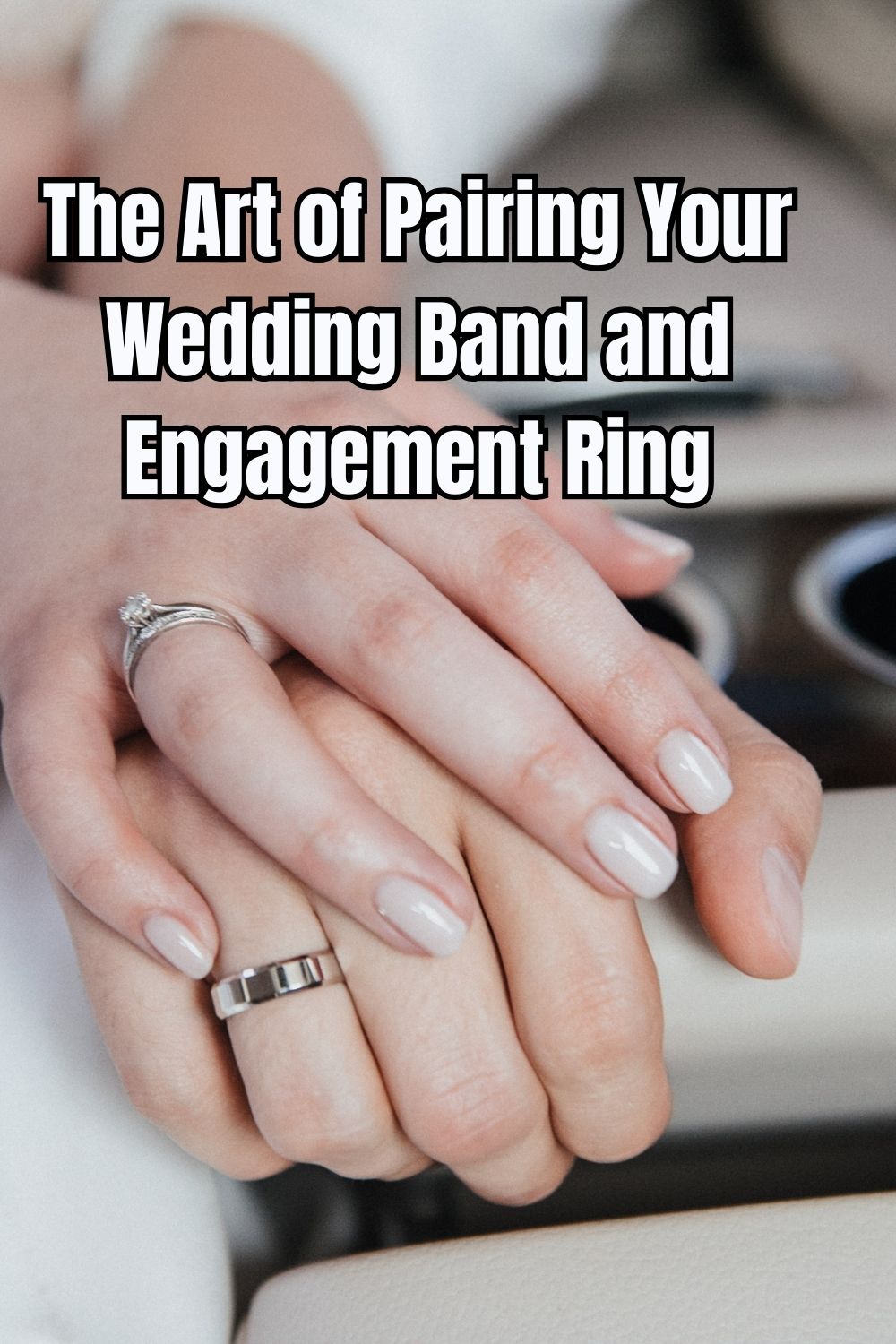
The Art of Pairing Your Wedding Band and Engagement Ring
Most people spend weeks choosing an engagement ring and about 15 minutes thinking about the wedding band. That second decision deserves more attention than it usually gets, because the two rings sit together on the same finger for years, and a poor pairing shows up every time you look at your hand. The gap between a pointed stone and a flat band, the slow grinding of mismatched metals, the way one ring pushes the other slightly off center throughout the day. These are small problems that become permanent annoyances. Getting the pairing right comes down to a few specific factors: the geometry of your stone, the height of your setting, the metals you pick, and how you actually plan to wear both rings over time.
How Stone Geometry Decides the Band
The outline of your center stone determines which band will sit flush against it. Round brilliant cuts work fine with a straight band because there are no protruding points or corners to block the fit. Elongated stones tell a different story. Marquise cuts with their tapered ends, emerald cuts with sharp corners, and pear shaped dimond rings with their single pointed tip all create gaps when placed against a flat band, so curved or V-shaped bands tend to follow those contours more closely.
About 20% of buyers now pair contrasting textures on purpose, choosing one hammered band alongside one polished ring. That kind of mismatch works when the profiles still align physically. GOODSTONE often creates custom bands for unusual settings, ensuring everything sits together comfortably without rubbing or shifting throughout the day.
Setting Height and Why It Matters More Than You Think
When a center stone sits high above the band on tall prongs or a cathedral setting, the wedding band needs to account for that vertical space. A high-set stone can catch on a flat band’s edge, causing the engagement ring to tilt or wobble with normal hand movement. Curved bands, sometimes called contour bands, solve this by dipping inward beneath the stone so the two rings sit together without interference.
Low-set stones are more forgiving. A bezel setting or a tension setting that holds the stone close to the finger gives you more freedom with band selection because there is less vertical clearance to work around. If you already own an engagement ring with a tall setting and are now shopping for the band, bring the ring with you or send precise measurements to your jeweler. Guessing the gap rarely works.
Mixing Metals Without Causing Damage
Wearing a platinum ring next to an 18K gold ring looks striking, and plenty of people do it intentionally. But there is a practical concern worth knowing about. Platinum is harder than 18K gold, and over months or years of constant contact, the harder metal can gradually wear down the softer one. The gold ring may develop a thin spot or lose some of its polish on the side that rubs against the platinum band.
This does not mean you cannot mix metals. It means you should be aware of the wear pattern and have the softer ring inspected and polished periodically. Some couples choose to match metal hardness levels on purpose to avoid this issue entirely. Others prefer the look of mixed metals and treat occasional maintenance as part of the deal.
The Toi et Moi Factor in 2026
Toi et Moi rings, the style featuring 2 stones set side by side, have become the most-searched and most-saved engagement ring trend heading into 2026. Zendaya’s ring from Tom Holland, an approximately 5-carat elongated cushion-cut natural diamond set east-west, has pushed interest in horizontal and asymmetrical settings even further. Rings like these require especially thoughtful band pairing because the stones extend wider across the finger, and a standard band may not sit beneath them at all. Custom-fitted bands or open-ended designs tend to be the practical answer here.
Sculptural Bands and Negative Space
Designers in 2026 are working with dimensional waves, soft folds, and negative space in their band designs. These sculptural pieces contour around the finger rather than sitting as a flat loop, and they introduce new considerations for pairing. A sculptural band with peaks and valleys may not align with a traditional solitaire engagement ring, so trying combinations on the actual finger before committing is worth the effort.
Wearing One Ring at a Time
Around 35% of couples now wear only the wedding band on a daily basis and save the engagement ring for occasions. If you plan to do this, each ring should look complete on its own. A wedding band chosen purely to complement an engagement ring can feel incomplete when worn alone, and an engagement ring designed to pair with a specific band may look unbalanced by itself. Selecting 2 rings that function independently while fitting well together takes more thought upfront but gives you flexibility for years afterward.
Getting the Pairing Right
The practical steps are straightforward. Know your stone’s outline and how it affects band fit. Measure the height of your setting. Check the hardness of your metals if you plan to mix them. Try both rings on together before buying. And consider how often you will actually wear them as a pair versus separately. The answers to those questions will narrow your options quickly and leave you with a co
Leave A Reply!