Explore The Art and Science of Oculoplastic Surgery, including common procedures and advancements in techniques for eye care.
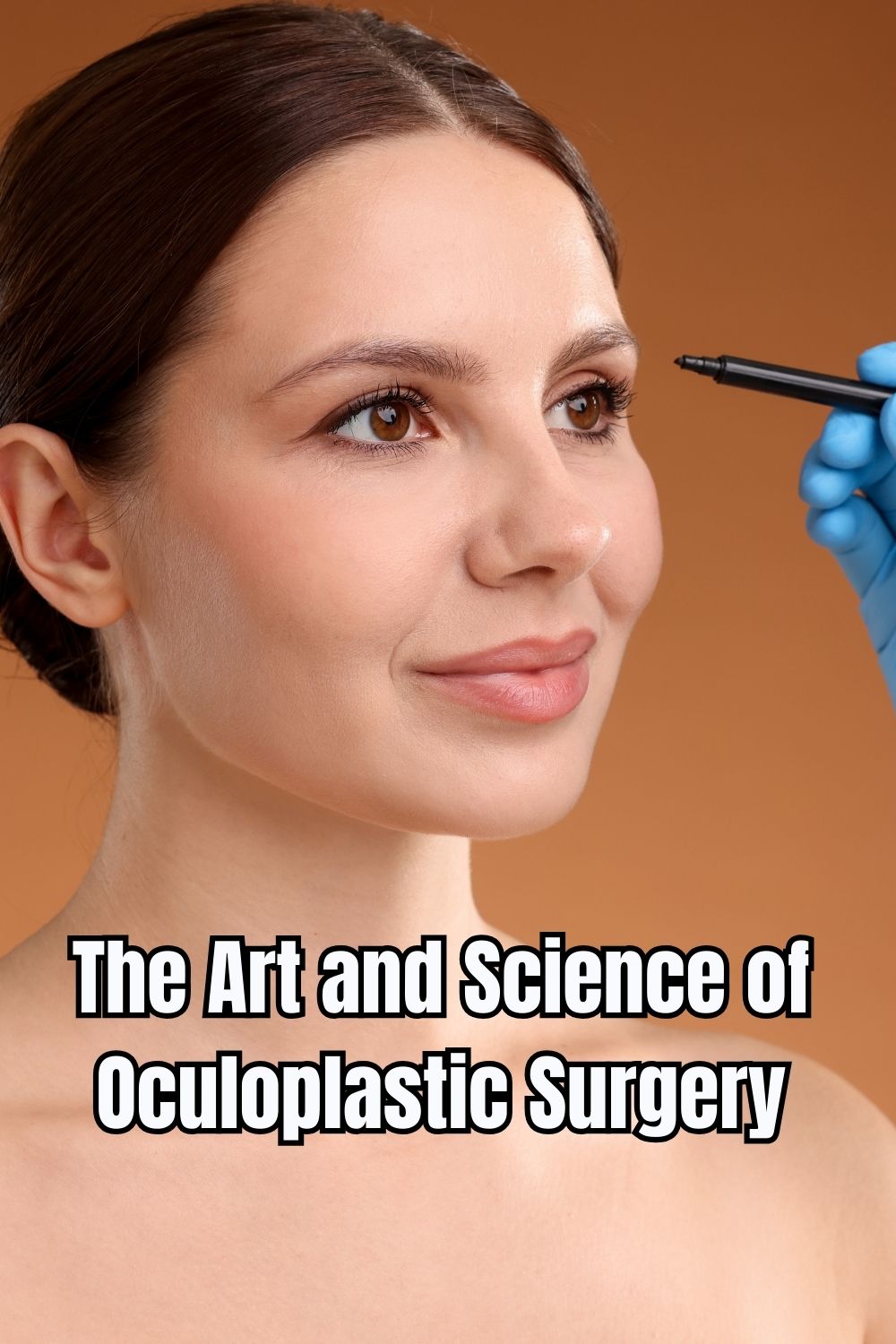
The Art and Science of Oculoplastic Surgery
Table of Contents
- Scope of Oculoplastic Surgery
- Common Procedures and Their Benefits
- Advancements in Oculoplastic Techniques
- Choosing the Right Oculoplastic Surgeon
- Preparing for Oculoplastic Surgery
- Post-Operative Care and Recovery
- Potential Risks and Complications
- The Future of Oculoplastic Surgery
Oculoplastic surgery stands at the intersection of artistry and medical precision, focusing on the delicate areas around the eyes, including the eyelids, tear ducts, orbit, and adjacent facial structures. Many people are unaware of just how crucial these small but intricate areas are, not only to vision but to the overall balance and symmetry of the face. Patients seeking treatment in this field often pursue both functional restoration and aesthetic improvement, whether facing congenital conditions or age-related changes such as sagging skin and tissue. Conditions ranging from unsightly bumps to complex orbital fractures require the refined skills unique to oculoplastic surgeons. Current innovations and treatment options, such as oculoplastic eyelid bump treatment, are helping patients address these health and cosmetic issues with significant success, opening new paths toward self-confidence and quality of life.
This highly specialized branch of ophthalmology not only enhances the appearance of the periocular region but also preserves or restores crucial eye functions. Advanced surgical techniques and a nuanced understanding of facial anatomy enable oculoplastic surgeons to address aesthetic and functional challenges that can significantly affect vision, comfort, and daily function. For instance, a droopy eyelid may obscure vision, while issues with tear duct drainage can cause discomfort and persistent tearing. Through a combination of skill and artistic vision, these surgeons offer comprehensive care for a wide range of disorders, providing relief from troubling symptoms and improving patients’ self-confidence. Many individuals who once felt embarrassed or hindered by the appearance or performance of their eyes find they can fully embrace life following treatment.
Conditions like droopy eyelids, tear duct blockages, orbital trauma, and benign or malignant growths require expertise that balances visual function with cosmetic results. Some patients may have lived for years with discomfort or poor vision, not realizing that oculoplastic surgery could offer a solution. Some people seek these procedures specifically for rejuvenation, while others require urgent repair after accidents or injuries. By prioritizing both aesthetics and eye health, oculoplastic procedures are tailored to each patient’s needs and expectations, making this specialty critical for patients of all ages. The blend of medical and surgical disciplines involved means treatments are highly personalized, with continuous advancements further enhancing the patient experience and procedural outcomes. For people whose careers or personal lives require facial expressiveness or clear vision, the impact can be transformative.
Because the periocular region requires multidisciplinary support from both medical and dental specialties, collaboration with adjacent fields, such as specialized medical dentistry, can be essential for certain complex craniofacial cases. For example, facial trauma from car accidents may require coordinated work between oral surgeons, oculoplastic specialists, and other healthcare professionals. This collaborative approach helps optimize outcomes, particularly in reconstructive or trauma cases, where coordinated care across specialties ensures the best functional and aesthetic outcomes. Patients with extensive injuries or congenital syndromes often depend on this teamwork to achieve the safest and most visually appealing outcomes possible.
Scope of Oculoplastic Surgery
The scope of oculoplastic surgery encompasses both reconstructive and cosmetic interventions targeting the sensitive and functional areas around the eyes. Procedures address conditions like ptosis (droopy eyelids), eyelid malpositions, tumors, orbital fractures, and tear drainage problems. Sometimes, patients present with issues that are not purely cosmetic; vision impairment, chronic irritation, or repeated infections can affect quality of life and overall health. These interventions are therefore designed to improve patient well-being by not only enhancing facial appearance but also supporting proper eye function and health. For example, treating eyelid malposition can correct vision and alleviate symptoms such as irritation and dryness by ensuring the eyelids adequately protect and hydrate the ocular surface. In the case of tumors, early intervention can be life-saving and prevent long-term visual loss.
Common Procedures and Their Benefits
Oculoplastic surgery includes a variety of advanced procedures, tailored to treat specific functional or cosmetic concerns. Modern oculoplastic surgeons adapt their techniques to individual anatomy, medical history, and goals, emphasizing patient safety and a natural-looking result:
- Blepharoplasty: Removes excess eyelid skin and fat, improving the visual field and rejuvenating the eye area. This procedure can refresh appearance by reducing puffiness or sagging that makes one appear tired, and can also enhance vision if heavy eyelids are blocking it.
- Ptosis Repair: Tightens or reinforces the muscles that raise the eyelids, correcting droopiness to improve both sightlines and facial symmetry. Restoration of eyelid function not only has cosmetic benefits but may also be crucial for activities such as reading and driving.
- Orbital Surgery: Treats eye socket abnormalities from injury, tumors, or disease to restore natural eye position and function. In some cases, orbital decompression is needed to relieve pressure or correct bulging of the eyes caused by thyroid disorders.
- Tear Duct Surgery: Unblocks tear drainage passages to relieve chronic tearing and reduce infection risk. This procedure is especially important in children born with congenital blockages or older adults who develop tear duct narrowing.
Each procedure is tailored to the individual’s anatomical and medical needs, using modern techniques to ensure optimal outcomes. Recovery times and postoperative results vary, but most patients experience major improvements in comfort and confidence after healing.
[suggestion]A simple illustration showing the area around the human eye with subtle markings highlighting the eyelids and tear ducts, emphasizing the focus of oculoplastic surgery.[/suggestion]
Advancements in Oculoplastic Techniques
Technological innovations in oculoplastic surgery have transformed patient evaluation and operative planning. Artificial intelligence (AI) now powers diagnostic imaging and outcomes prediction, helping surgeons identify subtle abnormalities and plan interventions with remarkable accuracy. For example, AI can streamline eyelid tumor diagnosis or help simulate surgical outcomes before the procedure even begins. Three-dimensional (3D) imaging and printing enable the creation of custom implants and the detailed preview of surgical changes. Minimally invasive approaches, improved biomaterials, and increased precision in digital planning all contribute to safer surgeries and better aesthetic and functional outcomes. With these tools, complex procedures once considered high risk now boast shorter recovery times and superior results. For more insights on current advancements in medical technology, visit Healthline’s medical news section.
Choosing the Right Oculoplastic Surgeon
Finding a highly qualified surgeon is paramount when considering oculoplastic procedures. Patients should confirm that their surgeon is board-certified in ophthalmology with subspecialty training in oculoplastics, a process that requires years of additional education and hands-on experience. Experience in specific procedures relevant to the patient’s needs, positive patient testimonials, and open communication during consultations also play important roles in ensuring a safe and satisfactory experience. During the consultation, a good oculoplastic surgeon explains all treatment options clearly, welcomes questions, and establishes realistic expectations for outcomes and recovery. Sometimes, seeing before-and-after photographs of previous patients can help illustrate typical results and reassure those considering surgery.
Preparing for Oculoplastic Surgery
Preparation begins with a detailed medical review and may include bloodwork, medication adjustments, and preoperative instructions such as fasting or arranging for transportation after surgery. Ensuring there are no untreated medical problems like high blood pressure, diabetes, or infections is crucial, as these may increase the risk of surgical complications. Clear communication regarding current medications, supplements, and medical history will reduce surgical risks, as will stopping certain blood-thinning or anti-inflammatory drugs under your medical team’s guidance. Patients should also make arrangements for assistance during the initial recovery period, especially if vision might be temporarily impacted, and may wish to prepare their homes with easy-to-reach supplies and minimal obstacles to reduce the risk of falls.
Post-Operative Care and Recovery
Strict adherence to post-operative care instructions can greatly improve healing and help reduce the risk of complications. Standard guidelines include using prescribed ointments to prevent infection, applying cold packs to minimize swelling, avoiding exercise and heavy lifting for a few weeks, and attending follow-up appointments to monitor progress and promptly address any issues. Patients may be instructed to sleep with their heads elevated and to avoid rubbing their eyes. In many cases, mild bruising and swelling resolve within a week or two, with most patients returning to normal activities soon afterward. Recovery timelines can vary depending on the type and extent of the procedure, but most patients report only minor discomfort after the first few days.
Potential Risks and Complications
While complications are uncommon when seeing a skilled oculoplastic surgeon, all surgical procedures carry some risks. These may include bleeding, infection, scarring, asymmetry, and temporary or rarely permanent changes in eyelid position. Some patients may experience dry eyes, temporary blurred vision, or increased sensitivity to light during recovery. A comprehensive preoperative assessment and individualized surgical planning help minimize these risks. Patients should discuss any concerns during initial consultations and understand how any complications will be managed if they arise. Open dialogue with your medical team can help reduce anxiety and improve outcomes. For more information about managing surgical risks, explore Mayo Clinic’s guidance on oculoplastic surgery.
The Future of Oculoplastic Surgery
Ongoing research and rapid technological change are driving the future of oculoplastic surgery. High-definition imaging, further advances in AI, and improved regenerative materials are all expected to make surgeries less invasive and more precise. As techniques evolve, minimally invasive tools may allow for faster healing and fewer visible scars, making these procedures more appealing to a wider patient population. With the emergence of online learning platforms and the broadening of access to specialized information, new generations of surgeons are gaining expertise more quickly and efficiently. This ongoing evolution ensures that patients continue to benefit from greater safety, higher satisfaction rates, and expanded treatment possibilities in both reconstructive and aesthetic oculoplastics.
Oculoplastic surgery continues to expand its reach and improve its methods, offering hope and tangible benefits to patients dealing with everything from congenital disorders to trauma and signs of aging. As understanding deepens and technology improves, the results will become even more predictable, natural, and satisfying for all involved. Whether patients seek help with functional health or aesthetic confidence, the field stands as a testament to the possibilities when science and artistry work hand in hand.
Leave A Reply!