Explore how hair fiber changes the final style of wigs, impacting movement, volume, and overall appearance.
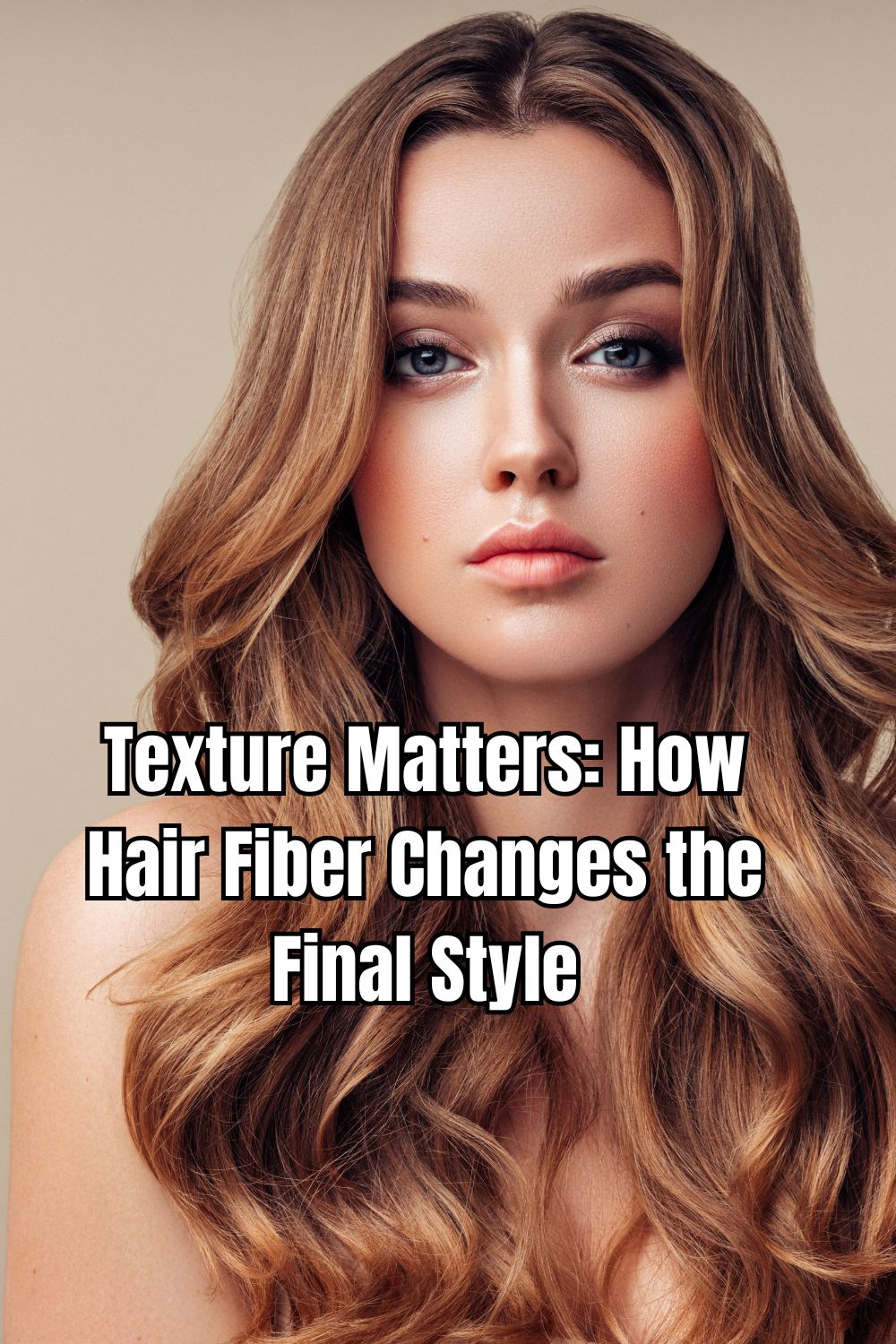
Texture Matters: How Hair Fiber Changes the Final Style
When it comes to wigs, color and cut often get most of the attention. Yet professional stylists consistently point to one element that shapes the entire outcome of a look — texture. The fiber of a wig, whether silky straight, coarse, curly, or highly textured, influences movement, volume, styling options, and even how light reflects off the hair. Understanding texture helps shoppers make more informed choices and prevents that all-too-common issue: buying the right style in the wrong finish.
Why Texture Affects the Overall Look
Hair texture determines how each strand behaves. Straight fibers tend to lie flat and appear sleeker, while textured or coily fibers naturally create volume and shape. This difference affects not only visual appearance but also how a wig interacts with the wearer’s face shape, wardrobe, and daily routine. For example, the same layered haircut can appear soft and airy on a loose-wave texture but structured and sharp on straight hair.
Texture also changes the visual weight of a style. A center-part bob in a silky straight finish may look classic and refined, but the same cut in a thicker fiber instantly reads more fashion-forward and bold. Texture, in other words, is not just a surface detail — it is a structural element of the final style.
Choosing Texture Based on Lifestyle
People with limited styling time often lean toward straight or lightly wavy textures because they require fewer tools to maintain their original shape. Those seeking easy heat styling or flexibility for updos usually prefer fibers that respond well to manipulation, such as human hair with a low-to-medium density.
Thicker textures, however, offer their own advantages. They tend to hold curls longer, resist humidity slightly better, and create more natural-looking density at the root. Some human hair textures are specifically designed to resemble blown-out natural hair — a middle ground between sleek and coily.
One example often recommended for realistic volume and versatility is the best yaki straight wig, which mimics the look of pressed or lightly textured strands. It provides a fuller appearance than silky straight hair without losing manageability, making it suitable for everyday wear or light styling.
How Texture Influences Face Shape Compatibility
The right texture can visually balance facial proportions. For round or softer face shapes, structured textures can introduce definition and elongation. Straighter strands act almost like contour lines, subtly guiding attention downward. On the other hand, someone with narrow features may benefit from curls or waves that add horizontal movement and width, contributing to a softer and more balanced effect.
Texture also affects how bangs fall, how layers frame the jawline, and how height is built at the crown. Those factors combined make texture an important tool in creating optical harmony — something professional stylists often consider before even discussing color or length.
Technology Behind Modern Hair Fibers
In recent years, advancements in fiber technology have allowed wig makers to create textures that behave remarkably close to natural hair. Some blends now retain curl patterns even after washing, while others mimic the slight irregularities of real strands to avoid a uniform, artificial appearance. This progression has widened the range of options for consumers, making it easier to find specific textures suited to their facial structure, styling preferences, or cultural hair norms.
Seasonal sales also make these options more accessible. During major promotions such as the UNice black friday sale, shoppers often discover higher-grade textured wigs at better price points — a notable factor when considering long-term styling value.
Texture as the Final Decision-Maker
Many experts recommend approaching wig selection in order of priorities: face shape first, then length, then texture. Once these three align, color and styling become far easier to choose. Texture plays the role of the “finish” — the final element that determines whether a wig looks effortless or overly styled, authentic or overly uniform.
For anyone exploring new styles, testing different textures under natural light or observing how they move while walking can reveal which fibers feel most natural. A well-chosen texture should blend with personal style rather than compete with it — allowing the cut, color, and wearer to take center stage.
Leave A Reply!