Discover effective strategies for supporting children through anxiety, stress, and academic pressure. Learn how to help today.
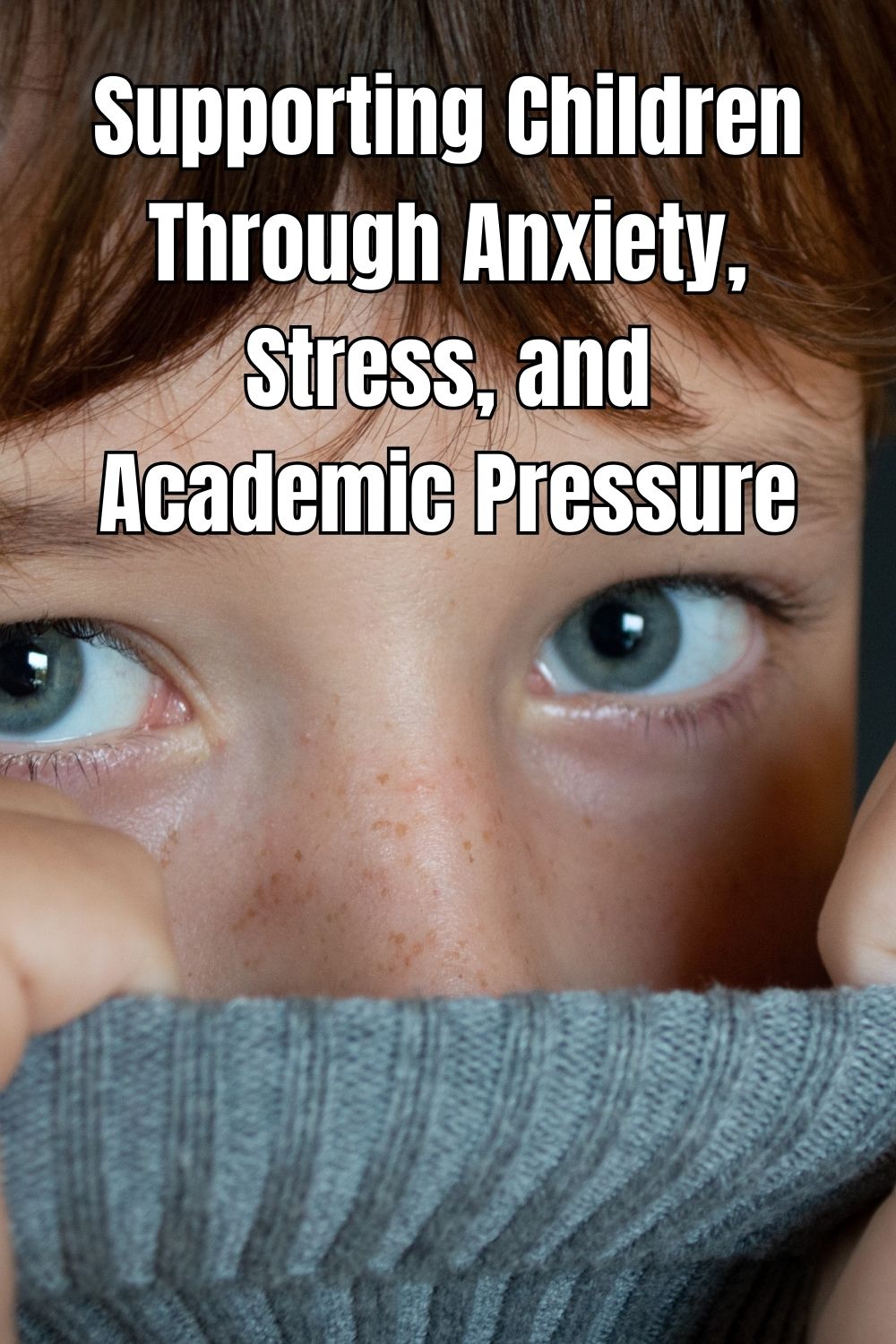
Supporting Children Through Anxiety, Stress, and Academic Pressure
The weight of expectations can feel crushing for young people today. Between demanding coursework, extracurricular activities, social pressures, and the constant comparison enabled by digital connectivity, children face an unprecedented level of stress.
Parents and educators often witness the toll this takes: sleepless nights before tests, stomachaches on school mornings, or withdrawn behavior that signals deeper struggles. Understanding how to support children through these challenges requires both compassion and practical strategies that address the root causes of their distress.
Building Professional Expertise to Help Young Minds
The growing mental health crisis among young people has created an urgent need for qualified professionals who understand developmental psychology and therapeutic techniques. Many individuals drawn to this field pursue online Master of Mental Health Counseling degrees, which provide comprehensive training in evidence-based interventions, child development theories, and family systems approaches.
Online degree programs offer the flexibility to gain advanced education while maintaining other responsibilities, making specialized training more accessible to those committed to supporting youth mental health. Parents who feel called to deepen their understanding of child psychology often find these programs valuable, whether they plan to work professionally with young people or simply want to better support their own children and community.
Recognizing the Signs Early
Children express anxiety differently than adults. A fifth grader might suddenly refuse to attend school, claiming vague illnesses that vanish on weekends. A teenager might become irritable and snap at family members without apparent reason. Younger children might regress to behaviors they had outgrown, like bedwetting or separation anxiety.
Physical symptoms often appear first: headaches, digestive issues, muscle tension, or changes in appetite and sleep patterns. Academic performance may decline not because of inability but because anxiety hijacks concentration and memory. Catching these signs early prevents small worries from snowballing into debilitating conditions.
Creating Safe Spaces for Open Communication
Children need to know their feelings matter and that expressing vulnerability will not result in judgment or punishment. This means listening without immediately jumping to solutions or dismissing concerns as trivial. When a child says they feel overwhelmed by homework, the instinct might be to respond with reminders about responsibility or comparisons to your own childhood.
Instead, acknowledge the feeling first. Simple phrases like “That sounds really hard” or “I hear you” validate their experience before moving toward problem-solving. Regular check-ins that happen during low-stress moments, perhaps during car rides or while cooking together, normalize conversations about feelings and make it easier for children to open up when struggles arise.

Reframing Academic Pressure
The message many children internalize is that grades define their worth and determine their future. This belief system creates paralyzing fear around every assignment and test. Parents and educators can counteract this by emphasizing effort, growth, and learning over numerical outcomes.
When a child brings home a disappointing grade, the conversation should focus on what they learned from the experience and what strategies might help next time, not on the score itself. Celebrating improvement and persistence matters more than celebrating perfection.
Teaching Practical Stress Management Techniques
Abstract advice to “just relax” helps no one. Children benefit from concrete tools they can use when anxiety strikes. Deep breathing exercises, where they inhale for four counts and exhale for six, activate the parasympathetic nervous system and counter the fight-or-flight response.
Progressive muscle relaxation, tensing and releasing different muscle groups, helps them recognize and release physical tension. Mindfulness activities, like focusing attention on five things they can see, four they can hear, three they can touch, two they can smell, and one they can taste, ground them in the present moment instead of spiraling into anxious thoughts about the future. Regular physical activity, whether team sports, dancing, or family walks, provides a natural outlet for stress hormones.
Setting Realistic Expectations and Boundaries
Overscheduled children have no time to decompress, process emotions, or simply be young. When every afternoon involves tutoring, music lessons, sports practice, and volunteer commitments, stress becomes constant background noise. Families should regularly evaluate whether each activity serves the child’s genuine interests or exists primarily to build an impressive resume. Downtime is not wasted time.
Unstructured hours allow children to develop creativity, pursue personal interests, and rest their minds. Setting boundaries around technology also matters, as constant connectivity to social media and academic platforms eliminates mental breaks and fuels comparison-driven anxiety.
Modeling Healthy Responses to Stress
Children absorb how the adults around them handle pressure. Parents who catastrophize minor setbacks, work around the clock without rest, or constantly express anxiety about the future teach children that stress is both inevitable and unmanageable.
Conversely, adults who acknowledge their own struggles while demonstrating healthy coping strategies provide a powerful model. Sharing your own stress management techniques, admitting mistakes without harsh self-criticism, and maintaining balance between productivity and self-care show children that challenges are navigable and that well-being matters more than constant achievement.
Collaborating With Schools
Teachers and counselors often notice patterns that parents miss, while parents understand their child’s history and home behavior in ways educators cannot. Regular communication between home and school creates a comprehensive support system.
When academic pressure becomes excessive, parents can advocate for accommodations like extended time on assignments, modified workloads during particularly stressful periods, or alternative assessment methods that reduce test anxiety.
Knowing When Professional Help Is Needed
Sometimes parental support and school resources are not enough. Persistent anxiety that interferes with daily functioning, panic attacks, self-harm, talk of suicide, or inability to attend school despite repeated interventions signal the need for professional mental health care. Seeking help is not an admission of failure but a recognition that some challenges require specialized expertise. Therapists trained in cognitive behavioral therapy, play therapy, or other evidence-based approaches can provide children with additional tools and a neutral space to process difficult emotions.
The pressures facing today’s children are real and significant, but they are not insurmountable. With attentive adults who validate their experiences, teach concrete coping skills, and model healthy stress management, children can develop resilience that serves them throughout their lives.
Leave A Reply!