Learn effective strategies for preventing unwanted guests before an infestation starts. Protect your home with smart maintenance tips.
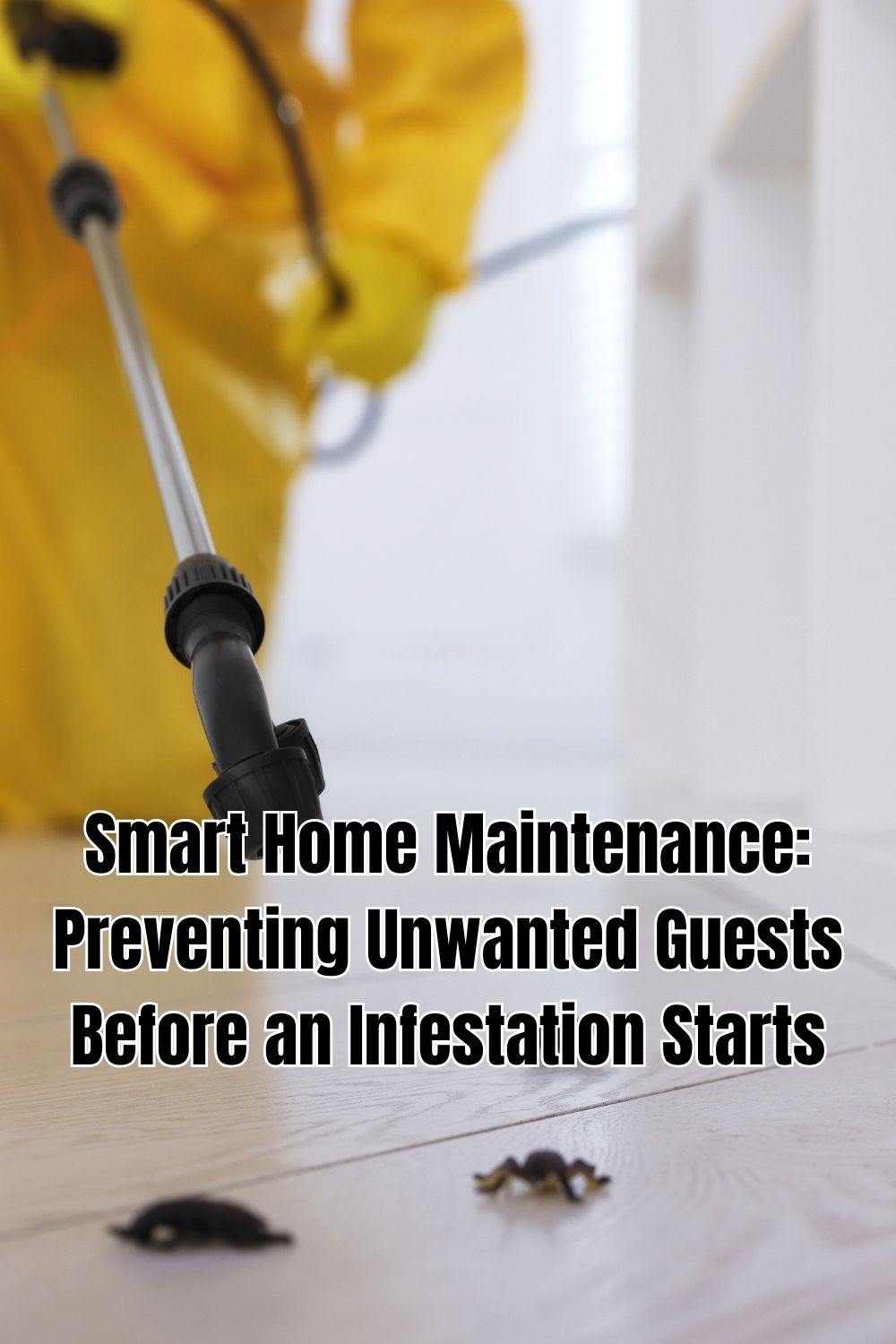
Smart Home Maintenance: Preventing Unwanted Guests Before an Infestation Starts
You notice it when you flip on the kitchen light and something small moves along the baseboard. It is quick, almost polite about it, but it is there. Most homeowners have had that moment where they pause, look closer, and realize the house is not as sealed as it seemed. The problem is rarely dramatic at first. It starts small, then settles in.
In Dayton, that risk feels familiar. Some homes are decades old, with crawl spaces and aging foundations that invite entry points. Others are newer builds, sealed tight but still surrounded by shifting soil and damp conditions. The climate swings from humid summers to cold winters, and those shifts drive insects and rodents indoors looking for stable shelter. It creates a steady pattern of infestations that homeowners cannot ignore for long.
Understanding Local Infestation Patterns
When pests show up, it is tempting to treat the surface issue and move on. A trap is set. A spray is used. The visible signs fade for a while. But infestations are rarely random. They follow food sources, moisture, and easy entry points. Small cracks in siding, gaps around utility lines, and damp basements become steady invitations.
Many homeowners begin by learning what species are common in their area and how seasonal changes affect activity. Ants tend to surge in warmer months. Rodents seek shelter when temperatures drop. Termites operate quietly year-round if moisture levels allow it. Understanding these patterns helps explain why professional plans are often structured around inspection, treatment, and ongoing prevention rather than a one-time fix.
If you’re looking for reliable professionals for pest control Dayton has many local options. Local experts are familiar with patterns in the area and are able to offer lasting solutions. The goal is not only to remove what is visible but to disrupt nesting cycles and reduce access points before the next season shifts behavior again.
Why Prevention Is More Effective Than Reaction
Home improvement often focuses on what can be seen. Fresh paint, new fixtures, updated flooring. Pest prevention works in a quieter way. It involves sealing cracks, improving drainage, trimming vegetation away from siding, and managing waste storage. These steps are not flashy, and they are easy to postpone.
When prevention is ignored, infestations tend to grow in complexity. A small ant trail may signal a colony nearby. A faint scratching sound in the attic may mean insulation has already been disturbed. By the time signs are obvious, damage may have started. Wood can be weakened. Wires can be chewed. Repairs become part of the story.
Preventive treatment plans usually involve routine inspections and barrier applications. These treatments are designed to create a protective perimeter around the home, making entry more difficult. Over time, this approach is often less disruptive and less costly than repeated emergency calls. It requires patience, but the results are steadier.
The Role of Climate and Moisture Control
Moisture is a quiet driver of pest problems. Leaky gutters, poor drainage, and damp basements create conditions where insects thrive. Even condensation around pipes can attract activity. It is not always obvious until staining appears or odors develop.
Improving ventilation in crawl spaces, installing dehumidifiers where needed, and redirecting water away from the foundation can significantly reduce risk. These changes support overall home health, not just pest control. Dry wood is less appealing to termites. Stable humidity discourages mold, which in turn reduces insect interest.
Seasonal weather shifts also play a part. Warmer months increase breeding cycles. Cooler months push rodents indoors. Understanding this rhythm allows homeowners to plan treatments ahead of peak activity rather than reacting once a problem has taken hold.
Safe Treatment Approaches and Family Considerations
Safety concerns often come up when pest treatments are discussed. Homeowners worry about pets, children, and exposure to chemicals. Modern treatment methods are typically applied with targeted precision, focusing on entry points and exterior barriers rather than broad interior spraying.
Integrated Pest Management, often shortened to IPM, is a strategy that combines monitoring, habitat modification, and controlled treatment. The idea is to use the least invasive method necessary while still being effective. This balanced approach has become more common as consumer awareness around health and environmental impact has grown.
Communication between service providers and homeowners matters. Clear explanations about what is being applied, where it is being applied, and how long to wait before reentry help reduce uncertainty. When people understand the process, they are more likely to follow maintenance recommendations that support long-term results.
Common Household Invaders and Their Warning Signs
Different pests leave different clues. Ants appear in lines, usually near kitchens or sinks. Rodents leave droppings, gnaw marks, and sometimes greasy streaks along walls. Termites often remain hidden, but discarded wings near windows or hollow-sounding wood can signal activity. Bed bugs, which have increased in many regions due to travel and dense housing, leave bite patterns and small rust-colored spots on bedding. They are not a sign of poor housekeeping, though that myth persists. They are simply opportunistic.
Recognizing these signs early allows for a faster response. Delays give pests time to multiply and spread into less accessible areas. A prompt inspection can determine whether the issue is isolated or part of a broader infestation that requires a more structured plan.
Long-Term Home Protection as Part of Maintenance
Pest control should be viewed as part of regular home maintenance, similar to HVAC servicing or roof inspections. It is not only about emergencies. Ongoing monitoring helps identify small issues before they escalate.
Homeowners who schedule periodic inspections often report fewer large-scale problems. Small cracks are sealed early. Moisture issues are addressed before structural damage occurs. Landscaping adjustments are made to reduce direct contact between soil and siding. This steady approach does not eliminate every risk. No home can be sealed perfectly against nature. But it reduces vulnerability and provides a clear response plan when activity appears.
Living in a house means sharing space with the environment around it. Insects and rodents are persistent because they are built to survive. The goal is not to create a sterile bubble. It is to manage boundaries in a practical, informed way. When homeowners understand patterns, maintain their property carefully, and seek professional guidance when needed, pest issues become manageable rather than overwhelming.
Leave A Reply!