Master the art of Smart Grocery Shopping with strategies to save money and reduce waste while enjoying nutritious meals.

Smart Grocery Shopping: Simple Ways To Save On Every Trip
Key Takeaways
- Plan meals and make a shopping list to avoid impulse purchases.
- Learn the best times and strategies for finding discounts at grocery stores.
- Compare flyers and digital coupons for additional savings.
- Discover how buying in bulk and opting for seasonal produce can help reduce your grocery bill.
- Repurpose leftovers and explore creative meal prep for less food waste and more savings.
- Use free resources and apps to optimize your grocery budget.
Why Grocery Shopping Smarts Matter
The increasing cost of everyday essentials necessitates smart shopping habits to save money. By adopting practical plans and focusing on savings, families can avoid impulse buys and make nutritious meals possible, even with a tighter budget. By implementing these strategies, grocery shopping can be a stress-free experience, enhancing both the routine and the results.
One of the simplest ways to begin is by checking out the weekly flyer near me before making your list. Flyers highlight ongoing deals and in-season produce, so you can optimize your meal plan around real, current discounts. Pairing your list with flyer specials means less time hunting for bargains and fewer regrets at checkout. Additionally, staying flexible with your meal ideas allows you to take full advantage of last-minute deals. Remember to compare prices at different stores to maximize your savings and get the best value for your money.
Know Before You Go: Planning Your Grocery Trips
Effective grocery shopping starts before you shop. Spend a few minutes at home planning your meals based on sales and staples, then create a focused shopping list. This can reduce stress, overspending, and help avoid costly extras and forgotten ingredients. If a full plan isn’t possible, jot down essentials and snacks you need often to resist unplanned purchases. Regular planning controls spending and promotes healthier eating.
Timing Your Shopping For Maximum Savings
When shopping, timing is crucial. Stores often discount perishables like dairy, meat, and produce in the afternoon or evening to clear inventory, providing bargains for next-day meals. Midweek trips help avoid weekend crowds, find new markdowns, and offer a calmer, cheaper shopping experience. Shopping just before closing can also lead to significant discounts on unsold items.
The Secret Power Of Flyers And Digital Coupons
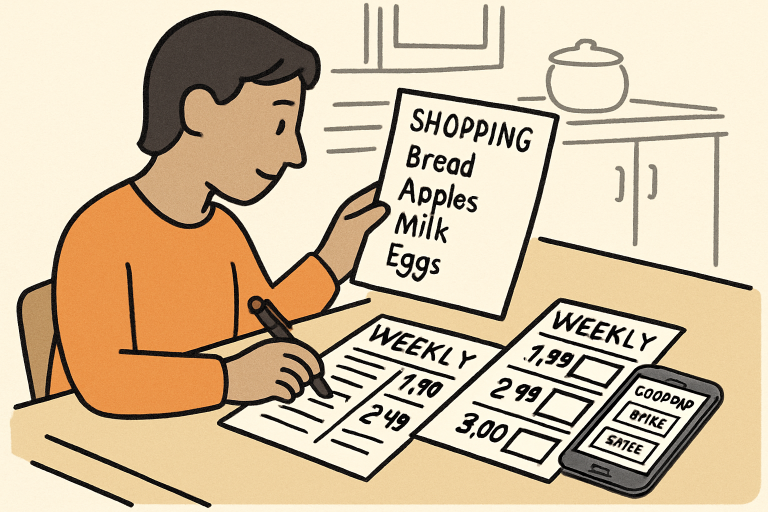
Flyers are powerful tools for savvy shoppers. Instead of aimlessly browsing aisles, compare promotional flyers across stores to find the best discounts on staples and produce. Many supermarkets offer online flyers and exclusive digital coupons via mobile apps, which can be clipped and redeemed from your phone. Digital deals, often available through store loyalty programs, provide extra savings for regular shoppers. A CTV News report found digital coupon use is rising as families seek quick, easy savings. Frequently updated digital deals mean checking your app before shopping can reveal last-minute bargains not advertised in stores.
Bulk Buying And Seasonal Shopping Strategies
Shopping in bulk maximizes your grocery budget, especially for non-perishables and staples. Always check the per-unit price to confirm savings. Stockpiling rarely-used items can waste food and money. For fresh produce, buy seasonal, local fruits and vegetables, which are tastier, more nutritious, and cheaper. Many stores offer “mix and match” sales, adding flexibility. If unsure about what’s in season, a quick online search or talking to produce staff can help you find the best deals.
Meal Prepping And Leftover Creativity
Preparing meals ahead is a money-saving strategy that reduces food waste and takeout costs through batch cooking and leftovers. For example, roast extra vegetables for salads or frittatas, and use leftover rice for stir-fry. Get creative: turn last night’s chicken into soup or tacos, and ripe fruits into smoothies. Cooking once, eating twice, lowers grocery bills and waste.
Free Resources And Budgeting Apps
Leveraging free online resources and budgeting apps can help you track your spending and find new strategies for saving. Many budgeting tools flag overspending areas, generate shopping lists, and even alert you to discounts at your favorite stores. Community programs, local libraries, and government agencies sometimes provide free workshops, low-cost meal plans, or recipes for eating well on a budget.
If you want to learn more about real-world strategies families use to keep food bills manageable, the CBC has an in-depth feature on household grocery spending and practical tips to stay within your means.
Building Lasting Habits For Lower Bills
Adopting mindful shopping habits is an ongoing journey. Start with one or two new strategies that fit your lifestyle—such as consistently using a targeted list or checking digital coupons before visiting the store. As these habits become routine, consider incorporating more advanced tactics, such as meal prepping or comparing store flyers weekly. Gradually, these positive changes compound, helping you carve significant savings out of your monthly grocery budget.
Conclusion: Satisfying Meals, Smaller Grocery Bills
With a little preparation and an eye for deals, grocery shopping can be a rewarding, not overwhelming, experience. From checking the weekly flyer for the latest specials to experimenting with creative leftovers, every small step counts. Make grocery shopping a habit that supports both your budget and your health—one thoughtful trip at a time.
Leave A Reply!