Explore small home changes that make a big difference over time to enhance your daily living experience and comfort.
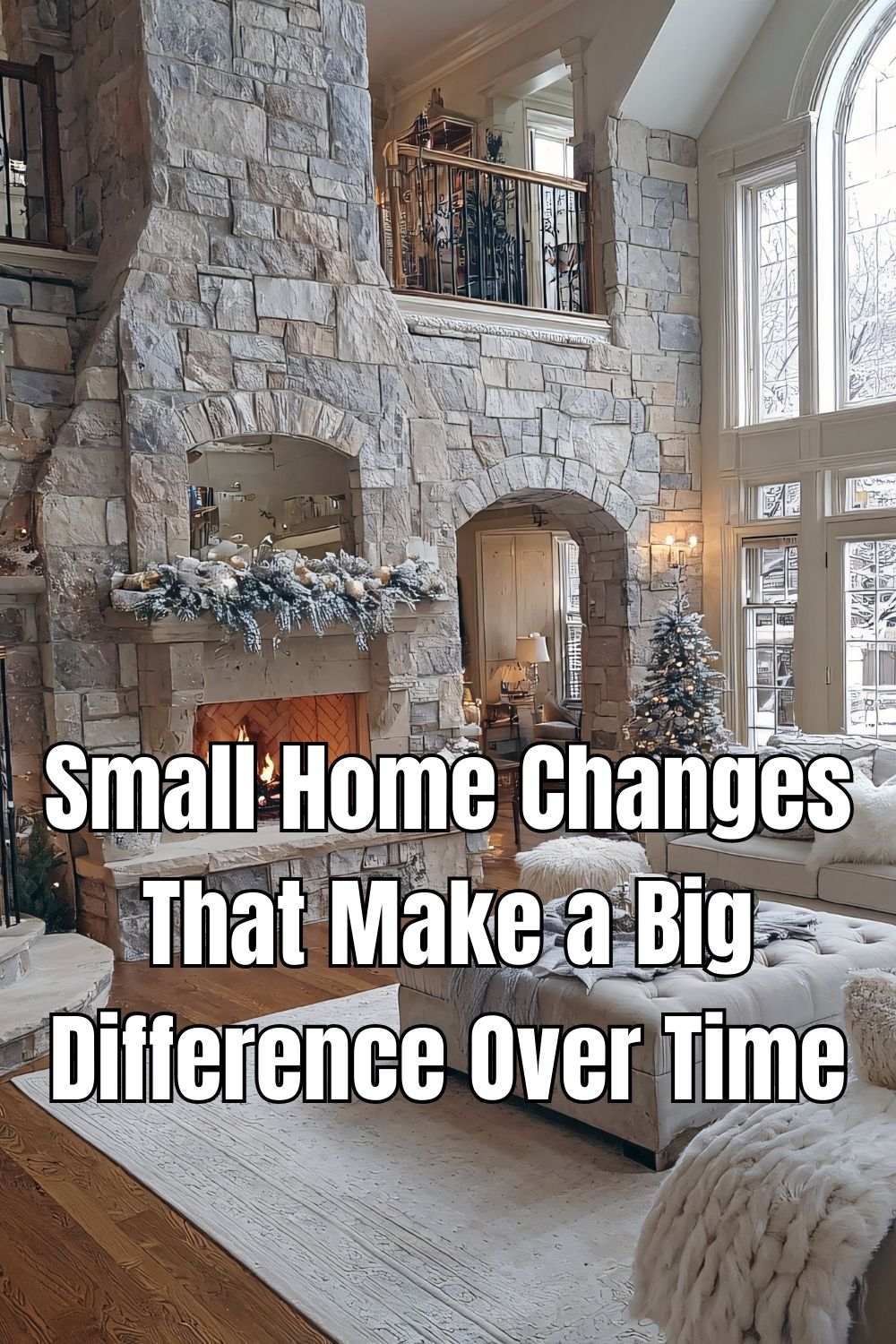
Small Home Changes That Make a Big Difference Over Time
At the end of a long day, it’s usually the small things that stand out. A drawer that sticks. A space that feels harder to move through than it should. None of it feels serious enough to fix right away, but it shows up every day, and that repetition has a way of wearing people down more than they expect.
Living in the same home for a while changes how you see it. It stops feeling like a project and starts acting more like a system you move through without thinking much about it. That’s where small changes matter most, because they shape the routines you repeat long after any big upgrade has stopped feeling new.
When a Shower Replacement Fixes Daily Friction
Some parts of a home get so much use that people stop noticing them altogether. The space still functions, technically, even as little problems pile up. You learn where to step. You wipe water that never quite stays where it should. Cleaning takes longer, but it’s gradual, so it doesn’t register as a problem right away. Even safety becomes something you think about only after a moment that feels a little too close for comfort. None of it feels urgent on its own, which is why it often gets tolerated longer than it should.
That’s usually the point where a focused update, like a shower replacement, starts to make sense. Not as a design choice, and not as a trend, but as a way to smooth out a routine that’s been asking for too much effort every single day.
Updating Doors Changes How the House Greets You
Most doors don’t draw attention unless something goes wrong. They open, they close, and that’s about it. But once a draft starts creeping in, or a lock needs a second try, it becomes harder to ignore. Screens that rattle or frames that don’t quite line up turn into background noise, the kind you notice more when you’re tired or in a hurry.
Small adjustments here don’t feel dramatic at first. Over time, though, the house feels steadier. Temperatures hold better. Moving in and out takes less effort, especially when hands are full. It’s the sort of change no one points out, yet it gets felt every day.
Better Lighting in Places You Don’t Think About
Lighting upgrades often focus on main rooms, but smaller areas matter just as much. Hallways, laundry spaces, and storage areas are places people move through without stopping, which makes poor lighting more frustrating than noticeable. A small update changes how the home feels overall. Spaces feel safer. Tasks feel quicker. You stop squinting or flipping switches twice. Over time, that ease adds up, especially in homes where mornings are rushed and evenings are tired.
Storage Changes That Reduce Background Stress
Clutter isn’t always about having too much stuff. Often, it’s about having nowhere sensible to put the things you use every day. Shoes pile up. Towels drift. Cleaning supplies migrate from room to room. Small storage changes can quietly solve this. Hooks are placed where everyone in the home is habitual of leaving their belongings scattered. Shelving added where things naturally land. These adjustments don’t change the size of a home, but they change how it’s used. Over time, that reduces friction and the low-level stress that comes from constant visual noise.
Flooring That Holds Up Without Demanding Attention
Most floors get tested long before anyone admits it. Shoes come in wet. Chairs scrape. Something gets dropped, and everyone pretends it didn’t leave a mark. For a while, it’s fine. Then it isn’t. Materials that can take that kind of quiet abuse tend to matter more than expected, especially in spots that see the most movement.
When those areas are updated, the change isn’t flashy. It’s practical. Cleaning takes less thought. People walk through without worrying about damage. That mental ease, small as it sounds, adds up when you pass through the same space every day.
Fixtures That Stop Demanding Attention
Leaky handles, loose knobs, and aging hardware tend to get tolerated longer than they should. People adapt by tightening, wiping, and adjusting. These workarounds become habits. Replacing these fixtures removes that need for constant attention. Water use becomes more predictable. Movement feels smoother. Over time, these changes reduce wear on other systems and make daily routines feel less fragile.
Ventilation Improvements You Notice Later
Good airflow is easy to forget about, mostly because nothing calls attention to it when it’s doing its job. The trouble starts when it isn’t. Moisture lingers, and rooms stay damp longer than they should. The air feels heavier, especially after showers or during warmer months. Paint and surfaces start to look tired sooner, though it’s hard to pinpoint one clear reason. Small ventilation updates tend to work quietly in the background. Over time, moisture clears faster, spaces feel easier to be in, and materials hold up better. You don’t notice it right away, but months later, the difference becomes hard to ignore.
Window and Screen Updates That Change How Rooms Behave
Windows and screens do a lot of work without asking for attention, which is why problems tend to slip by for a long time. A room gets warmer than it used to. A draft shows up in winter. Light comes in, but not in a way that feels comfortable anymore. Older materials hold onto these issues quietly. When updates are made, the shift is gradual. Temperatures settle. Glare softens. Rooms stop feeling seasonal in the wrong ways. Over time, spaces get used more often, not because they look different, but because they finally feel easier to live in.
Large renovations come with disruption. Small changes come with relief. Because they’re targeted, they solve specific problems instead of creating new ones. They also tend to age better, since they’re tied to daily function rather than trends. Over time, these adjustments reshape how a home supports the people living in it. The benefits don’t shout. They settle in quietly, which is usually what makes them worth it in the long run.
Leave A Reply!